How to Propagate Beach plum?
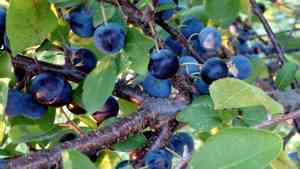
To multiply beach plum, begin with semi-lignified cuttings acquired in late summer. Select robust stem ends, verifying their freedom from ailments and infestations. Cuttings ought to be dipped in a rooting stimulant to boost root formation prior to insertion into a well-aerated rooting substrate. Meticulous oversight of moisture levels and warmth is vital, as these elements significantly impact successful rooting. Once roots have formed, transfer the nascent plants into separate containers with rich earth, and progressively introduce them to external environments before their ultimate placement.
Optimal Time for Beach Plum Propagation
Propagation Method
Cutting
Propagation Period
Autumn,Winter
Tools for Beach Plum Propagation
Sharp Bypass Pruners
Used for taking cuttings from beach plum, sharp bypass pruners ensure a clean and precise cut, minimizing damage to the parent plant. Accurate cuts are vital for quick healing of cut sites and reduce infection risk, which is crucial for healthy beach plum propagation.
Rooting Hormone Powder
This substance encourages root development from beach plum cuttings, increasing propagation success. Rooting hormone contains synthetic auxins that mimic natural plant hormones, stimulating root growth, essential for beach plum cuttings that might otherwise struggle to root.
Sterile Potting Mix
A sterile potting mix offers a safe, nutrient-rich medium for newly cut beach plum limbs, free from pathogens that could harm delicate cuttings. The mix's sterility ensures young beach plum plants don't compete with microbes or pests, promoting robust initial growth.
Humidity Dome or Plastic Bags
These create a controlled, high-humidity environment for beach plum cuttings, reducing water loss through transpiration and boosting rooting success. High humidity maintains necessary moisture around cuttings, aiding in more successful root development.
Heating Mats
By providing consistent bottom heat, heating mats help raise soil temperature, which can improve rooting speed and overall growth rates of beach plum cuttings. Warmer soil mimics spring conditions, triggering faster root development.
Propagating Beach Plum
Propagation Difficulty
Moderately Difficult
Caring for Newly Propagated Beach Plum
Caring for Newly Propagated Beach Plum
Once beach plum has successfully rooted and established, gradually reduce humidity and move the plant to its regular growing environment. Beach plum prefers full sun to partial shade and well-drained soil. Keep the soil consistently moist, but not waterlogged, especially during dry spells. Prune as needed to maintain desired shape and size. Apply a balanced fertilizer during the growing season to support healthy development. Protect from extreme cold and pests, and mulch around the base to conserve moisture and regulate soil temperature.
Common Errors to Avoid When Propagating Beach Plum
Overwatering
Excessive watering can cause root rot for beach plum, which thrives in well-drained soil. Saturated conditions are particularly harmful during rooting, potentially causing cuttings or seedlings to decay before establishment.
Deep planting
Planting beach plum seeds or cuttings too deeply can impede their ability to sprout and root. Beach plum requires specific light and air exposure for optimal growth, and excessive depth can restrict these vital conditions.
Neglecting pre-treatment
Failing to pre-treat beach plum's hard seeds can result in low germination rates. The seeds have a tough outer layer that needs scarification to mimic natural processes that weaken the seed coat.
Ignoring pest management
Overlooking pest control can jeopardize beach plum's propagation. Pests can severely damage young shoots and leaves, affecting the plant's overall health and its ability to establish a strong root system.
Tips For Propagating Beach Plum
Moisture control
Ensuring appropriate moisture levels is crucial for beach plum, which requires a balance between damp and dry soil to prevent root rot and encourage healthy root development.
Shallow planting
Plant beach plum seeds or insert cuttings at a shallow depth, maintaining adequate soil contact while allowing for necessary light exposure and air circulation required for germination and rooting.
Seed scarification
Perform scarification on beach plum seeds by gently nicking the hard outer coat or using a mild acid soak to facilitate water absorption and improve germination rates.
Pest monitoring
Regularly inspect beach plum for signs of pests and apply appropriate interventions early to prevent infestations that could hinder growth and establishment during crucial propagation phases.



