How Much Sunlight Do Koromiko Need?
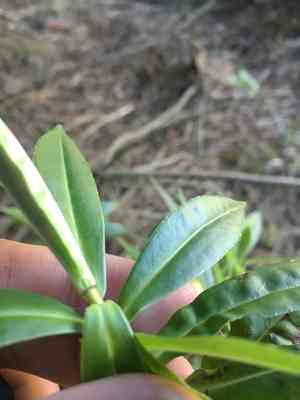
1
Koromiko flourishes with a minimum of six hours of direct sun daily.
2
Koromiko can endure some shade, though this might lead to less vivid flowers.
3
Consider seasonal shifts and modify the plant's position to optimize its sun exposure.
Optimal Light Conditions for Koromiko
Full Sun vs. Partial Shade
A primary consideration for planting Koromiko is understanding its light requirements. Ideally, Koromiko flourishes in full sun, meaning it should receive direct sunlight for over six hours daily. This light level is crucial for the plant to produce its beautiful, vibrant flowers. While Koromiko can endure partial shade, less light may impact its blooming cycles and overall development.
Daily Sunlight Duration
Koromiko needs at least six hours of direct sunlight each day. The best time to ensure it gets sufficient light is from morning to early afternoon when the sun is bright but not overly harsh. Placing your Koromiko where it can absorb morning sunlight will encourage strong growth and vivid blooms.
Seasonal Light Variations
Sunlight levels change throughout the year, and it's vital to adapt to meet your Koromiko's needs. In summer, days are longer, providing abundant light. However, during shorter winter days, consider relocating your plant to a brighter spot or utilizing reflective surfaces to maximize light exposure.
Ensuring Optimal Sunlight for Koromiko
Ideal Garden Placement
Finding the perfect spot for your Koromiko in the garden is essential. Select an area free from significant shadows cast by trees or nearby structures. A south-facing location often provides ample sunlight throughout the day, ensuring your Koromiko receives the light it requires.
Utilizing Reflective Surfaces
To enhance the amount of sunlight your Koromiko receives, especially in areas where full sun isn't guaranteed, consider using reflective surfaces. Mirrors or light-colored walls can help direct more light onto the plant, improving its growth and bloom quality.
Monitoring Light Exposure
Observing how much sunlight your Koromiko gets can make a significant difference. Regularly check the plant's exposure to ensure it receives at least six hours of daily sunlight. Use a light meter or simply observe the sun's path in your garden throughout the day.
Signs of Too Much or Too Little Sunlight for Koromiko
Symptoms of Excessive Sunlight
Even though Koromiko loves the sun, too much direct sunlight, particularly during peak summer, can harm the plant. Look for signs like scorched leaves, dry soil, and faded flowers, which indicate your Koromiko is getting too much sun. If you notice these symptoms, consider providing temporary shade during the hottest part of the day.
Symptoms of Insufficient Sunlight
Conversely, if your Koromiko doesn't receive enough sunlight, you might observe weak growth, fewer or no blooms, and paler leaf coloration. If you spot these signs, move your plant to a more sunlit area to ensure it gets the necessary light for healthy development.
Adjusting Sunlight Exposure Throughout the Year
Summer Adjustments
During summer months, when the sun is intense and days are longer, your Koromiko will generally receive sufficient light. However, be cautious of extremely high temperatures that can cause leaf sunburn. Using a shade cloth during the hottest part of the day can offer relief and maintain your plant's health.
Winter Adjustments
Winter brings shorter days and weaker sunlight, which can be a concern for Koromiko. To counteract this, move your plant to a south-facing window if grown indoors or a brighter outdoor spot. Supplementing with artificial grow lights can also be beneficial during particularly dim periods.
Indoor vs. Outdoor Adjustments
Whether your Koromiko is an indoor or outdoor plant also influences its sunlight needs and adjustments. Outdoor plants benefit from natural sunlight but require careful positioning to avoid prolonged shade. Indoor plants, conversely, might need strategic placement near windows with ample light or the use of grow lights to mimic natural sunlight.



