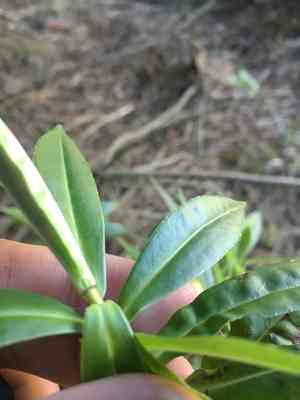
Koromiko (Veronica salicifolia)
Also known as: Willow-leaf Speedwell, Koromiko
Koromiko (Veronica salicifolia) is a fast-growing shrub with plenty of ornamental appeal, featuring white flower spikes and long, thin leaves. Its dense growth makes it useful for hedging and its fast spread means it is a good revegetation plant. This attractive shrub brings birds, bees, and other pollinating insects to the garden.
In This Article
Attributes of Koromiko
Lifespan
Perennial
Plant Type
Shrub
Plant Height
4.5 m
Spread
3 m
Leaf Color
Green
Flower Size
0.5 to 1 cm
Flower Color
White Pink Purple
Images of Koromiko
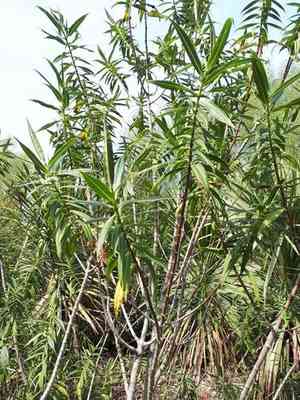
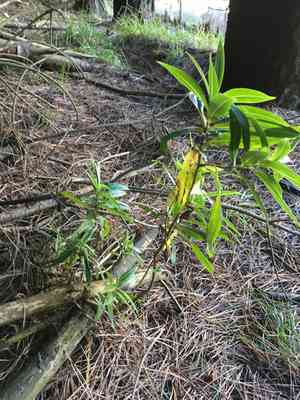
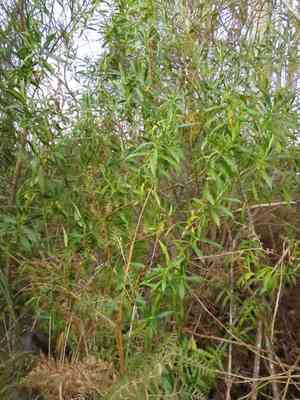
Quickly Identify Koromiko
1
Veronica salicifolia can be identified by its long, narrow, willow-like leaves and small, white to pale blue flowers. The flowers are often arranged in spikes that can extend up to 20 cm. The plant usually takes a shrub form and is commonly found in wetland or coastal areas.
Scientific Classification of Koromiko
Phylum
Vascular plants
Class
Dicotyledons
Order
Lamiales
Family
Plantain
Genus
Speedwells
Species
Koromiko
Planting and Growing of Koromiko
Care Difficulty
Easy
Watering Schedule
Every 3 days
Sunlight Requirements
Partial sun
Sunshine Duration
6-10 hours
Ideal Temperature
60-75℉
Soil Type
Potting Mix, Peat Mix
Soil pH
6.5-7.5
Fertilizer Type
Balanced
Pruning Season
Spring, Summer
Pruning Area
Branches, Leaves
Pruning Frequency
2 times a year
Repotting Season
Spring
Pot Type
Plastic, Ceramic
 How to Water Koromiko?
Veronica salicifolia prefers a moderate watering approach. Ensure the soil remains adequately moist but not waterlogged. Watering until excess liquid drains from the pot indicates the soil is saturated enough. This helps maintain the plant's vibrant foliage without risking root rot.
What are the symptoms of an underwatered Koromiko?
›
What should I do if my Koromiko is not getting enough water?
›
What are the symptoms of an overwatered Koromiko?
›
How to save an overwatered Koromiko?
›
 What Are the Sunlight Requirements for Koromiko?
Partial sunlight entails a balance of sun and shade (4 to 6 hours), which optimizes conditions for Veronica salicifolia, resulting in rich leaf coloration and prolific blooming. By maintaining this light range, the plant can achieve sufficient photosynthesis without the stress of excessive light exposure.
More About Sunlight Requirements Techniques→
What type of sunlight is best?
›
How to achieve ideal lighting conditions?
›
What are the benefits of ideal lighting?
›
 What Is the Ideal Temperature Range for Koromiko?
The ideal temperature range for Veronica salicifolia is between 60°F and 75°F. This range provides optimal conditions for growth, ensuring that the plant can photosynthesize efficiently and maintain healthy cellular functions. Staying within this range helps promote vibrant foliage and robust growth.
 What Soil is Best for Koromiko?
Veronica salicifolia thrives in soil that retains moisture but drains well. The loam or sandy loam soils offer this balance, ensuring that the roots receive consistent hydration without becoming waterlogged, thereby promoting healthy growth. This plant flourishes in nutrient-rich environments. Using peat soil ensures that the plant has access to essential nutrients, which supports its lush foliage and vibrant flowers, enhancing its overall vigor. Aeration is crucial for the roots of Veronica salicifolia. Sandy loam soils provide excellent aeration, which facilitates oxygen access to the roots and encourages robust root development, vital for its long-term health.
 How to Fertilize Koromiko?
When it comes to fertilizing Veronica salicifolia, it's best to apply a balanced liquid fertilizer at half strength every two weeks during the growing season. For slow-release fertilizers, apply them twice a year in early spring and mid-summer. This helps promote healthy growth without overwhelming the plant.
 How to Prune Koromiko?
Start with clean, sharp tools to prevent damaging the plant. Remove any dead or diseased stems first to keep Veronica salicifolia healthy. Cut back growth to promote fuller and more vigorous foliage and enhance blooming. Aim for an open canopy structure to ensure light and air circulation.
More About Pruning Techniques→
 How to Propagate Koromiko plant?
1
Collect seeds from mature plants during late spring. Clean them thoroughly and allow them to dry for a few days before storing them in a cool, dry place until ready for use.
2
Choose healthy, disease-free stems about 10 cm long. Ensure each cutting has several leaves attached. Cutting should be taken early in the morning when the plant is most turgid.
3
In early spring, gently dig up the plant and divide it into smaller sections with a clean knife, ensuring that each section has a good amount of roots and shoots.
 How to Repot Koromiko plant?
1
Repot Veronica salicifolia when you notice roots growing out of the drainage holes or if the growth seems stunted despite regular care. Early exploration of the root ball before a new growing season starts can also indicate it's time for a roomier environment.
2
When selecting a pot, choose one that's only slightly larger than the current pot, allowing about an inch or two of additional space. This helps prevent over-watering by ensuring that the soil dries at a proper rate, promoting better root health and growth.
3
Opt for a well-draining, loamy soil mix tailored for Veronica salicifolia, providing a supportive environment that retains essential moisture without becoming overly saturated. This balance helps in providing adequate oxygen to the roots while fostering robust growth.



