The Koromiko Plant Advantage: Maximizing Home and Office Appeal and Wellness
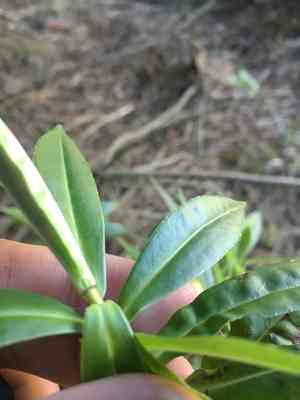
1
Koromiko is recognized for its capacity to flourish across various environmental settings.
2
This flora possesses healing attributes that have been employed for ages by native communities.
3
Adding Koromiko to your landscape can boost its visual charm with its vivid blooms.
Why Consider Cultivating Koromiko?
Versatility Across Climates and Soil Types
Koromiko is well-known for its remarkable capacity to thrive in diverse environments. Whether your region experiences harsh winters or hot summers, this robust plant can flourish. It tolerates both acidic and alkaline soils, making it highly adaptable for various garden settings. This flexibility not only ensures the plant's survival but also makes it an excellent choice for gardeners with differing soil compositions and weather conditions.
Minimal Upkeep Requirements
For those who prefer a garden that doesn't demand constant attention, Koromiko is an ideal option. This plant needs little care once established, allowing you to enjoy its benefits without requiring extensive gardening expertise. Consistent watering and occasional trimming are enough to keep Koromiko healthy and thriving. Its natural resistance to pests and diseases further reduces the need for chemical interventions, promoting more eco-friendly gardening practices.
Erosion Control and Soil Enrichment
Beyond its decorative appeal, Koromiko plays a vital role in soil preservation and enhancement. Its strong root system helps stabilize the ground, reducing erosion risks in areas prone to heavy rainfall or steep terrains. Furthermore, Koromiko can boost soil fertility by aiding nutrient cycling, thereby improving the overall health of your garden ecosystem. Planting Koromiko along slopes or riverbanks can be particularly beneficial for maintaining soil integrity.
How Can Koromiko Enhance Your Garden's Visual Appeal?
Vibrant Blooms and Foliage
Koromiko is celebrated for its striking flowers, which can add a burst of color to any garden. The plant typically produces dense clusters of small, vivid blossoms that vary in hue depending on the cultivar. These flowers not only make Koromiko visually appealing but also attract beneficial pollinators like bees and butterflies. The foliage of Koromiko is equally attractive, featuring leaves that differ in shape and size, adding texture and depth to garden designs.
Complementing Other Garden Flora
One of Koromiko's charms lies in its ability to harmonize with other plants in your garden. Its adaptable nature means it can be paired with a wide array of flowers and shrubs, creating striking combinations and enhancing the overall landscape design. Whether used as a border plant, part of a mixed bed, or as a solitary specimen, Koromiko can help achieve a balanced and cohesive garden aesthetic.
Year-Round Interest
Another aesthetic advantage of Koromiko is its contribution to continuous garden appeal. While many plants offer beauty only during specific periods of the year, Koromiko boasts a prolonged flowering season, often extending from late spring to early autumn. This extended display not only provides a continuous source of visual pleasure but also sustains garden activity by supporting pollinators over a longer duration.
What Are Koromiko's Traditional Applications?
Cultural Significance and Practicality
Historically, Koromiko has held considerable importance in various cultures, especially among indigenous communities. This plant has been utilized in traditional customs and ceremonies, symbolizing aspects such as resilience and vitality. Its usefulness extended beyond decorative purposes to more practical applications, such as crafting and tool-making, where different parts of the plant were employed for their durability and strength.
Nutritional and Functional Uses
While not commonly featured as a primary food source, Koromiko has found its way into traditional culinary and practical applications. Some parts of the plant are edible and have been incorporated into dishes as flavoring agents or greens. Additionally, the fibrous stems of Koromiko have been used in making ropes and other useful items, demonstrating the plant's versatility and resourcefulness.
How to Integrate Koromiko Into Your Garden?
Location Selection and Planting Advice
For successful growth, it is crucial to choose the correct site for planting Koromiko. Select a spot that receives ample sunlight and has well-drained soil to ensure optimal growing conditions. When planting, make sure to space the plants appropriately to allow for air circulation and to prevent overcrowding. This promotes healthier growth and inhibits the spread of disease among plants.
Ongoing Care and Maintenance
Maintaining Koromiko involves simple yet essential steps: consistent watering, especially during dry periods, and mulching to retain soil moisture and suppress weeds. Prune the plant as needed to maintain its shape and remove any dead or damaged branches. Fertilize sparingly, as excessive feeding can lead to weak growth. With minimal effort, Koromiko can flourish and continue to enhance your garden's beauty and functionality.



