How to Prune Koromiko?
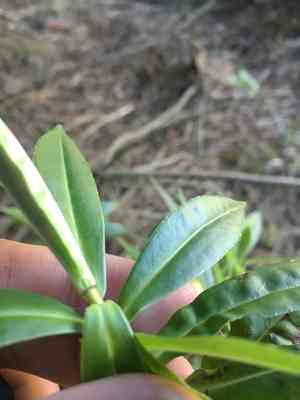
This perennial woody plant, recognized for its spear-like foliage and therapeutic attributes, flourishes under proper cultivation. For koromiko, trimming is best performed in late winter or early spring to preserve its form, stimulate denser development, and eliminate any lifeless or ailing branches. Make cuts directly above leaf junctions to foster fresh shoots. Regular trimming additionally boosts the plant's well-being by enhancing air movement and light exposure. Cultivators must employ sanitized, keen implements to prevent harm to koromiko.
What Are the Benefits of Pruning Koromiko?
What Are the Benefits of Pruning Koromiko?
Trimming koromiko promotes abundant flowering and vigor, decreasing pest and disease risk by removing dead or weak leaves, which encourages a healthier, more robust plant.
What Is the Best Time for Pruning Koromiko?
What Is the Best Time for Pruning Koromiko?
Trimming koromiko in early spring is advantageous as it readies the plant for the new growth cycle by eliminating any dead or damaged branches that could impede new growth or blooming. This timing also allows gardeners to shape the plant before it expends energy on foliage development. Winter pruning is also ideal for koromiko since the plant is dormant. During this period, reduced sap flow minimizes plant stress, and the absence of leaves offers better visibility for precise cuts. Additionally, winter pruning helps prevent disease spread, as many pathogens are inactive in cold weather.
What Tools Do I Need to Prune Koromiko?
Hand Pruners
Perfect for making precise cuts on koromiko's smaller stems and branches, ensuring minimal plant damage.
Pruning Shears
Suitable for shaping koromiko and managing its size by snipping through soft, green growth.
Pruning Saw
When koromiko has mature, woody stems, a pruning saw might be necessary to cut through thicker branches efficiently and cleanly.
Lopping Shears
For larger stems and branches that hand pruners cannot handle, lopping shears provide the required leverage and cutting power.
Gardening Gloves
To safeguard hands from scratches and ensure safe handling of pruning tools while working with koromiko.
How to Prune Koromiko
Clean And Sharpen Tools
Before beginning the pruning process, clean and sharpen all pruning tools to prevent disease transmission and ensure clean cuts on koromiko.
Identify Parts To Trim
Examine koromiko to pinpoint diseased leaves, withered leaves, dead branches, diseased branches, withered flowers, and branches with excessive growth that need trimming.
Sanitize
Disinfect pruning tools with an alcohol or bleach solution before cutting diseased or dead parts to avoid contaminating healthy sections of koromiko.
Cut Specific Parts
Using the appropriate pruning shears, carefully remove the diseased and withered leaves, dead and diseased branches, and withered flowers. Make cuts close to the base of the affected parts, but ensure not to harm the main stems of koromiko.
Thin And Shape
Thin out branches with excessive growth to maintain the shape and promote air circulation, which will enhance the health and appearance of koromiko. Prune these branches at their point of origin or back to a strong lateral branch.
Common Pruning Mistakes with Koromiko
Over-Pruning
Removing too much foliage can stress koromiko, leading to weak growth and making the plant susceptible to diseases.
Cutting At Wrong Angle
Incorrect cutting angles can cause water to collect on the cut surface of koromiko, which may lead to rot and disease.
Using Dull Tools
Pruning koromiko with dull or dirty tools can harm plant tissues, resulting in jagged cuts that are vulnerable to pests and diseases.
Ignoring Dead Or Diseased Branches
Failing to remove dead or diseased wood can impede koromiko's growth and can encourage insect infestation or disease spread.
Pruning Too Close To The Bud
Cutting too close to a bud can damage it, while leaving too long of a stub above the bud can result in dead and unsightly wood on koromiko.
Common Pruning Tips for Koromiko
Sharp And Clean Tools
Utilize sharp, clean pruning shears to make precise cuts that heal quickly, thereby reducing stress on koromiko.
Correct Pruning Angle
Cut at a 45-degree angle approximately 1/4 inch above an outward-facing bud to encourage outward growth and prevent water accumulation.
Thinning Out
Thin out crowded areas by completely removing some shoots at their base to improve light penetration and air circulation in the center of koromiko.
Shape Maintenance
Regularly snip away stray and overgrown branches to maintain the desired shape and size of koromiko without affecting its overall structure.
Selective Pruning
Remove only dead, diseased, or damaged stems, and limit the removal of healthy material to foster a strong framework for koromiko.



