How Much Sunlight Do Pyrethrum Need?
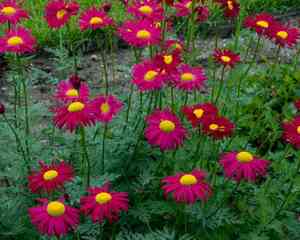
1
Pyrethrum flourishes optimally in direct sunlight, needing over 6 hours of sun each day.
2
Although Pyrethrum can endure some shade, full sun promotes the most flowers.
3
Employing a light measuring device can assist in guaranteeing your Pyrethrum receives ideal sun exposure.
Optimal Light Conditions for Pyrethrum
Full Sun Needs
Pyrethrum plants thrive in full sun, requiring at least six hours of direct sunlight daily. This ample light promotes abundant blooms and vivid colors, enhancing your garden's appearance. When planted in adequately sunny spots, your Pyrethrum will grow stronger and healthier.
Partial Sun Acceptance
While Pyrethrum prefers full sun, it can endure partial sun, meaning 3-6 hours of direct sunlight daily. However, under these conditions, the plant may produce fewer flowers, and its growth might be somewhat hindered. Therefore, aim for a sunnier location for your Pyrethrum whenever possible.
Comparison to Other Plants
Compared to other common garden flora, Pyrethrum is quite similar to sun-loving species like marigolds and lavender. These plants also flourish in full sunlight and share comparable watering and soil requirements, making them excellent companions in a sunny garden bed. Yet, unlike shade-tolerant plants such as hostas or ferns, Pyrethrum will suffer without ample sunlight.
Assessing Sunlight for Pyrethrum
Using a Light Meter
To accurately determine if your Pyrethrum receives enough sunlight, consider employing a light meter. This device measures light intensity in a given area, providing concrete data. Simply place the meter where your Pyrethrum is situated and check readings to ensure they meet the plant's light needs.
DIY Approaches
If a light meter isn't available, you can use homemade methods to estimate sunlight. For instance, observe the area at various times to see how long it gets direct sun. Alternatively, use a smartphone app designed to track sun exposure. These methods may not be as precise as a light meter but offer a useful estimate of your Pyrethrum's sunlight.
Impacts of Incorrect Sunlight
Signs of Excessive Sun
If Pyrethrum plants receive too much sunlight, you might notice symptoms like wilting or scorched leaves. Foliage could turn yellow or brown, and flowers might fade quickly. To mitigate this, consider providing light shade during peak afternoon hours in extremely sunny and hot regions.
Signs of Insufficient Sun
Too little sunlight can result in poor flowering, leggy growth, and dull, sparse foliage. The plant may also become more vulnerable to diseases and pests. If these symptoms appear, try moving your Pyrethrum to a sunnier spot to restore its vigorous growth and blooming.
Seasonal Sunlight Changes for Pyrethrum
Effect of Seasonal Shifts
Seasonal changes can significantly alter the amount of sunlight your Pyrethrum receives. During spring and summer, with longer days, the plant benefits from abundant sunlight. Conversely, in fall and winter, shorter days might require adjusting the plant's position to ensure continuous light exposure. Monitoring and adapting to these seasonal variations will help maintain healthy growth year-round.
Adjusting Plant Placement
To compensate for reduced sunlight in different seasons, consider moving your Pyrethrum to a more exposed location, especially if it's potted. Ensuring the plant faces south or southwest can maximize sunlight absorption. Indoor plants should be repositioned closer to windows that receive direct sunlight.
Optimizing Indoor Sunlight
Choosing Optimal Windows
When cultivating Pyrethrum indoors, selecting the right window is vital. South-facing windows offer the most consistent and intense sunlight, making them ideal for Pyrethrum. East and west-facing windows can also work, though they provide varying light intensities throughout the day. In any case, placing your Pyrethrum near these windows can enhance its growth and blooming.
Supplementary Light Sources
If natural sunlight is inadequate, particularly in winter, consider using supplemental light sources like grow lights. Position these lights 15-30 cm (6-12 inches) above the plant and leave them on for about 12-16 hours daily to mimic natural sunlight. This approach ensures your indoor Pyrethrum receives sufficient light even in low-light conditions.



