The Pyrethrum Plant Advantage: Maximizing Home and Office Appeal and Wellness
1
Pyrethrum is recognized for its inherent insect-deterring qualities.
2
Pyrethrum can improve your garden's visual appeal through its vivid flowers.
3
Pyrethrum can be a part of a pesticide-free pest management approach.
What Are the Aesthetic Benefits of Pyrethrum?
A Burst of Color
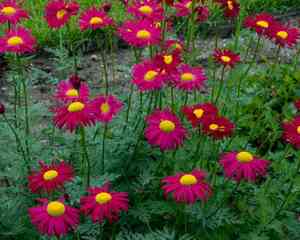
One of Pyrethrum's most immediate advantages is its striking visual appeal. With its vibrant and colorful blossoms, Pyrethrum can serve as a focal point in any garden. The flowers come in shades of pink, red, and white, offering a rich palette that can complement other flora.
Versatile Landscaping Options
Pyrethrum is incredibly adaptable, making it suitable for various landscape designs. Whether utilized as borders, in flower beds, or as individual specimens, Pyrethrum adds an elegant touch to any garden arrangement.
How Does Pyrethrum Act as a Natural Pest Repellent?
Insect-Repellent Properties
A key benefit of Pyrethrum is its inherent insect-repelling qualities. The plant contains pyrethrin, a natural compound that functions as an effective insecticide. This makes Pyrethrum an excellent choice for gardeners aiming to reduce pesticide usage.
Eco-Friendly Pest Control
Employing Pyrethrum as an insect deterrent helps minimize the need for harmful chemicals. This environmentally conscious approach not only safeguards your garden but also supports local ecosystems, making your gardening practices more sustainable.
How to Grow Pyrethrum in Your Garden?
Ideal Growing Conditions
Pyrethrum thrives in well-draining soil and prefers locations with full sun to partial shade. It's crucial to ensure the soil remains moist but not waterlogged, as excessive moisture can lead to root decay.
Planting and Maintenance Tips
When planting Pyrethrum, space seedlings approximately 12-18 inches apart to allow for adequate air circulation. Removing spent flowers will encourage continuous blooming and prevent the plant from setting seed too quickly.
Are There Companion Plants for Pyrethrum?
Supporting Biodiversity
Companion planting with Pyrethrum can enhance your garden's overall health and productivity. Plants like marigolds, lavender, and basil can be grown alongside Pyrethrum to deter pests and attract beneficial insects.
Creating a Balanced Ecosystem
Incorporating a variety of plants around Pyrethrum can help establish a balanced ecosystem where beneficial insects flourish while keeping harmful pests at bay. This fosters a more resilient garden environment.
Can Pyrethrum Be Used for Indoor Gardening?
Indoor Planting Tips
Yes, Pyrethrum can be cultivated indoors in pots or containers. Ensure the plant receives ample light and is placed in a well-ventilated area. Regular watering and occasional feeding with a balanced fertilizer will maintain plant health.
Benefits of Indoor Pyrethrum
Growing Pyrethrum indoors can assist in repelling insects within your home, making it a natural ally for maintaining a pest-free indoor environment. Additionally, its vibrant flowers can brighten any indoor space.
How Is Pyrethrum Used in Traditional and Modern Practices?
Cultural Significance
Pyrethrum has been valued in various cultures for its medicinal and ceremonial applications. While no longer primarily used in medicine today, its historical importance adds to its appeal as a garden plant.
Modern Applications
Today, Pyrethrum is widely employed in organic farming and gardening for its insecticidal properties. It's also common to find Pyrethrum in eco-friendly insect repellent products, attesting to its effectiveness and adaptability.



