Enhancing Your Garden Design with the Pyrethrum Plant: A Landscaping Guide
1
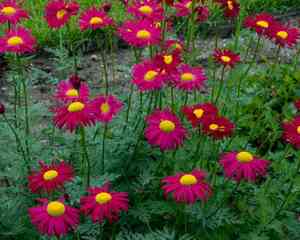
Pyrethrum can be a prominent element in your garden because of its vivid hues.
2
Pyrethrum flourishes optimally in spots receiving ample sunlight.
3
Consistent care is crucial for maintaining Pyrethrum's health and attractive appearance.
Introducing Pyrethrum to Your Landscape
Appreciating Pyrethrum's visual charm
Pyrethrum's vivid colors and graceful form make it a visually striking element in any garden. Its blossoms come in various shades, creating a lively and captivating display. Whether used as a focal point or integrated with other plants, Pyrethrum adds freshness and allure, making your garden stand out.
Pyrethrum's contribution to vibrant garden designs
In garden design, Pyrethrum is crucial for introducing color and texture. Its bright flowers can break up uniform green foliage, providing visual interest and variety. Furthermore, Pyrethrum attracts beneficial insects like bees and butterflies, improving your garden's ecological balance.
Selecting the Optimal Site for Pyrethrum
Key considerations for planting Pyrethrum
When planting Pyrethrum, consider factors such as soil composition, drainage, and available space. Well-drained soil is vital for Pyrethrum's success; waterlogged conditions can lead to root decay. Ensuring adequate spacing between plants is essential to prevent crowding and allow each plant ample room for robust growth.
Pyrethrum and sunlight: Locating the ideal spot
Pyrethrum thrives in full sun, needing at least six hours of direct sunlight daily. Choosing a location that receives abundant sunlight will ensure the healthiest growth and most vibrant blooms. However, in extremely hot climates, some afternoon shade can help protect Pyrethrum from scorching.
Pairing Pyrethrum with Other Flora
Companion plants that enhance Pyrethrum's beauty
Combining Pyrethrum with complementary plants can heighten its appeal. Pairing it with foliage like ferns and hostas or with other flowering plants such as lavender and daisies can create a harmonious and visually pleasing garden. These combinations not only look good but also support a healthy and balanced garden ecosystem.
Avoiding typical planting errors with Pyrethrum
Common errors to avoid include overcrowding, which can lead to poor air circulation and increased disease risk, and planting in poorly drained soil, which can cause root rot. It's also important not to plant Pyrethrum too deeply, as this can impede its growth. Ensure proper spacing and planting depth for optimal results.
Seasonal Care for Pyrethrum
Optimal planting seasons for Pyrethrum
The best times to plant Pyrethrum are during the cooler months of spring or fall when temperatures are moderate. This allows the plants to establish their root systems before the intense heat of summer or the cold of winter arrives, ensuring stronger and healthier growth.
Understanding Pyrethrum's seasonal life cycle
Understanding Pyrethrum's life cycle is crucial for its care. It typically blooms from late spring to early summer. After blooming, cutting back spent flowers can encourage a second flush of blooms. As winter approaches, reducing watering and protecting the roots with mulch can help Pyrethrum survive until the next growing season.
Maintaining Pyrethrum's Visual Appeal
Routine inspections and simple upkeep tips
Maintaining Pyrethrum involves regular deadheading to encourage continuous blooming and prevent the plant from expending energy on seed production. Regularly checking for pests and diseases, and trimming any damaged or diseased leaves, helps keep the plant healthy and attractive. Watering should be consistent but not excessive to avoid root rot.
Addressing common problems without altering the landscape
Common issues like aphids or fungal diseases can be managed with eco-friendly solutions such as neem oil or simply removing affected areas. Regularly monitoring and addressing these issues promptly ensures they do not spread or significantly affect the overall landscape aesthetics, allowing Pyrethrum to remain a beautiful part of your garden.



