How to Prune Pyrethrum?
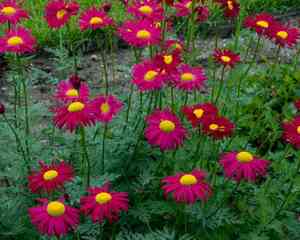
Pyrethrum, a lively perennial recognized for its daisy-like blossoms and application in organic pest control, thrives with appropriate trimming. Removing spent flowers stimulates additional blooming, and shortening the stalks after flowering fosters a more compact form. The optimal time for pruning extends from the beginning of spring until late autumn, bypassing winter to safeguard the root system. Strategic pruning not only preserves pyrethrum's structure but also enhances its vigor and flowering potential.
What Are the Benefits of Pruning Pyrethrum?
What Are the Benefits of Pruning Pyrethrum?
Trimming pyrethrum promotes more abundant flowering, ensures robust development, and maintains a neat, compact shape. This practice fosters healthier, stronger plants.
What Is the Best Time for Pruning Pyrethrum?
What Is the Best Time for Pruning Pyrethrum?
Pruning in early spring allows pyrethrum to focus its energy on producing new, healthy growth without the burden of old or dead foliage it would otherwise support. This timing also helps minimize the risk of plant diseases, which become more common as temperatures rise. Late fall pruning is beneficial as it tidies the plant after its flowering cycle, enhancing overall plant health and appearance. Removing spent blooms and any dead or damaged stems at this time helps prevent disease and prepares pyrethrum for its dormant winter period. It is crucial to avoid heavy pruning in late summer, as this can stimulate new growth that may not harden off before the first frosts.
What Tools Do I Need to Prune Pyrethrum?
Bypass Pruners
Perfect for making clean cuts on pyrethrum's slender stems, minimizing plant damage and encouraging healthy regrowth.
Gardening Gloves
Protects the gardener's hands from pyrethrum's potentially irritating sap and foliage during the pruning process.
Pruning Shears
Suitable for shaping pyrethrum's growth and removing faded flowers to encourage further blooming.
Garden Scissors
Useful for precisely snipping dead or diseased foliage from pyrethrum, helping to maintain the plant's health and look.
How to Prune Pyrethrum
Step1: Timing Pruning Post-Bloom
Determine the correct time to prune pyrethrum, which is after the blooming season concludes, typically in late summer or early fall. This ensures you don't accidentally remove next season's flower buds.
Step2: Tool Sterilization
Sanitize your pruning tools using isopropyl alcohol or a 10% bleach solution to prevent the spread of diseases between plants.
Step3: Deadhead Spent Flowers
Begin by removing faded flowers. Make cuts just above the first set of healthy leaves below the spent blooms. This encourages new growth and more flowers in the upcoming season.
Step4: Prune Non-Flowering Stems
Carefully inspect pyrethrum for old stems that no longer produce flowers or show signs of new growth. Prune these stems at their base, near the ground, to stimulate the development of new, vigorous stems.
Step5: Remove Damaged Leaves
Look for damaged leaves caused by pests, disease, or environmental stress. Cut these leaves off where they meet the stem, or remove the entire stem if it appears unhealthy, cutting it at the base to promote new growth.
Step6: Shape Plant Form
Shape pyrethrum by selectively trimming overgrown stems to maintain the desired plant form. Ensure you balance the plant's overall shape, avoid over-pruning any single section, and aim to preserve pyrethrum's natural appearance.
Step7: Dispose of Pruning Debris
Properly dispose of all removed material, either by composting healthy plant matter or discarding diseased material to prevent contamination.
Step8: Water After Pruning
After pruning, water pyrethrum if the soil is dry, to help the plant recover from the pruning stress.
Step9: Fertilize for Growth
Apply a balanced fertilizer after pruning to provide pyrethrum with the nutrients needed to encourage new growth and healthy development.
Step10: Monitor Plant's Response
Observe pyrethrum for its response to pruning, looking for new growth and potential issues, adjusting your care routine as necessary to maintain plant health.
Post-Pruning Care for Pyrethrum
Post-Pruning Care for Pyrethrum
Immediately after trimming pyrethrum, water it thoroughly to aid recovery. Ensure pyrethrum receives indirect but bright light, maintaining a moderate temperature and humidity to prevent stress. Apply a balanced, slow-release fertilizer to support new growth. Regularly check for wilted or discolored leaves, which indicate stress or infection. If such signs appear, adjust care conditions and consider a mild fungicide application as a preventative measure against potential disease.
Common Pruning Mistakes with Pyrethrum
Avoid excessive pruning to prevent plant weakness
Over-trimming can be harmful, as removing too much foliage from pyrethrum may weaken the plant and reduce its ability to photosynthesize effectively.
Use sanitized and sharp pruning tools to avoid damage
Not using clean or sharp tools can cause unnecessary damage to the plant's stems, potentially introducing disease and hindering healthy regrowth.
Remove dead or diseased growth to prevent infection
Failing to remove dead or diseased growth can leave pyrethrum susceptible to further infection and may attract pests, which could spread to other plants.
Common Pruning Tips for Pyrethrum
Make precise cuts with clean, sharp shears for plant health
Use clean, sharp pruning shears to make precise cuts, which will help prevent damage and allow for quick healing.
Thin crowded areas for better air circulation and stem health
Focus on thinning out crowded areas to improve air circulation, which reduces the risk of fungal diseases and encourages the growth of strong, healthy stems.
Deadhead spent flowers to encourage new blooms and tidy plants
Cut back the spent flowers of pyrethrum to promote a second bloom and maintain a tidy appearance.



