How Much Sunlight Do Athel tamarisk Need?
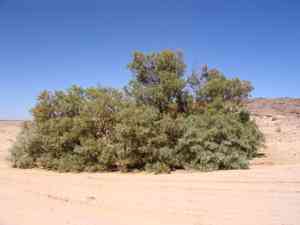
1
Athel tamarisk flourishes with ample sunlight, needing more than 6 hours of direct light each day.
2
Immature Athel tamarisk specimens benefit from some shade to establish robust root structures.
3
Employ shade netting to shield Athel tamarisk from harsh midday sun, particularly in warmer seasons.
Optimal Light Conditions for Athel Tamarisk
Best Sun Exposure
The Athel tamarisk thrives in settings where it gets full sun, meaning over 6 hours of direct sunlight daily. This plant originates from arid and semi-arid areas, making it highly suited for strong sunlight. Ideal planting spots include south or west-facing locations where sun exposure is most intense.
Impacts of Insufficient Light
If the Athel tamarisk lacks adequate sunlight, its growth can be stunted, and its foliage might become sparse. An Athel tamarisk with too little light may also exhibit duller leaves and weaker branches, as it struggles to photosynthesize effectively. Early detection and correction of low-light conditions are crucial to prevent these negative outcomes.
Indicators of Excessive Sun Exposure
While the Athel tamarisk loves sun, too much exposure, particularly during the day's hottest period, can cause issues. Signs of too much sun include leaf scorch, marked by brown, crispy edges, and chlorosis, where leaves yellow due to extreme heat stress. Providing midday shade can help lessen these effects.
Understanding Athel Tamarisk Sunlight Needs at Various Stages
Young Athel Tamarisk
Young Athel tamarisk plants benefit from partial shade during the hottest part of the day. This helps young plants develop robust root systems without the added stress of intense heat. During their initial growing season, providing filtered sunlight with mulch around the base promotes moisture retention and growth.
Mature Athel Tamarisk
Once mature, the Athel tamarisk is remarkably resilient and flourishes in full sun. These plants can endure extended periods of strong sunlight and are often utilized as windbreaks or shade providers in dry landscapes. Consistent monitoring ensures they remain healthy and continue to thrive in these conditions.
Best Practices for Sunlight Management
Seasonal Adjustments
Seasonal shifts can impact sun intensity and duration. In spring and fall, milder sun supports optimal growth, while summer demands careful management to prevent sunburn. During winter, the Athel tamarisk may enter dormancy without risk of insufficient sunlight.
Monitoring Sun Exposure
Regularly checking the Athel tamarisk for signs of too little or too much sunlight is essential. Tools like light meters can offer precise data on the amount of light your plant receives. Monitoring helps in making timely adjustments to ensure the plant's well-being.
Utilizing Shade Cloths
Shade cloths are an excellent tool to shield Athel tamarisk during peak sunlight hours. These can reduce light intensity by 30-50%, offering a practical solution during summer months. Proper installation ensures maximum protection without hindering airflow and natural growth.
FAQs Regarding Athel Tamarisk Sunlight Requirements
Can Athel Tamarisk Survive in Low Light?
The Athel tamarisk does not prosper in low light conditions. This sun-loving plant requires abundant direct sunlight to grow strong and healthy. In low light, the plant becomes weak, and its growth is severely impeded. For optimal health, ensure it's planted where it receives full sun.
How to Revive Sun-Damaged Athel Tamarisk?
To restore a sun-damaged Athel tamarisk, begin by pruning the scorched leaves and stems to encourage new growth. Relocate the plant to a partially shaded area and ensure it's adequately watered but not waterlogged. Applying a plant-safe fertilizer can also aid recovery by supplying vital nutrients.
Is Morning or Afternoon Sun Preferable?
For the Athel tamarisk, both morning and afternoon sun are beneficial. However, morning sun is slightly better because it is less intense, allowing the plant to acclimate to the day. If possible, position the plant to receive the gentler morning rays, especially during hot summer months.



