The Athel tamarisk Plant Advantage: Maximizing Home and Office Appeal and Wellness
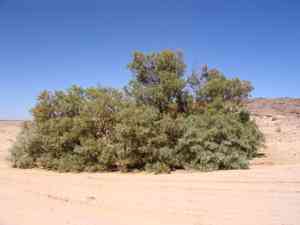
1
Athel tamarisk excels at preventing soil degradation.
2
It offers superior protection from wind, particularly in dry areas.
3
This tree contributes to enriching soil quality and sustains native habitats.
How Does Athel tamarisk Combat Soil Erosion?
A Natural Shield Against Erosion
Soil degradation poses a major environmental challenge, particularly in dry and semi-arid areas. Athel tamarisk excels at mitigating this problem. Its extensive root network anchors the soil, preventing displacement by water or wind. This makes it extremely valuable in regions prone to heavy rainfall and storms. Additionally, its thick foliage lessens the impact of raindrops on the soil, further reducing erosion.
Reclaiming Degraded Lands
Due to its robust nature, Athel tamarisk is frequently planted in damaged lands to restore plant cover. It adapts well to poor soil conditions where other trees might struggle, playing a vital role in land restoration projects. Over time, the presence of Athel tamarisk helps stabilize the soil, eventually enabling it to support other plant species.
Why Is Athel tamarisk an Excellent Windbreak?
Protecting Crops and Habitations
In desert and semi-arid zones, winds can be quite destructive, leading to topsoil loss and crop damage. Planting Athel tamarisk serves as an effective windbreak due to its height and dense canopy, which can significantly decrease wind speed. This protection ensures crops grow without the stress of wind damage, leading to better yields and more stable agricultural output.
Creating Microclimates
Athel tamarisk is also excellent for establishing microclimates that are more suitable for various farming activities. By reducing wind velocity, it lowers the rate of evaporation, preserving soil moisture which is crucial for crop development. This microclimate can be a game-changer for farmers in regions with unpredictable weather, providing a more reliable environment for cultivation.
How Does Athel tamarisk Improve Soil Fertility?
Nutrient Cycling and Retention
Athel tamarisk contributes to soil fertility through its fallen leaves, which decompose and add organic matter to the soil. This decomposition process enriches the soil with essential nutrients, enhancing its capacity to support other plants. Furthermore, the root system of Athel tamarisk helps retain soil nutrients by preventing them from being washed away by rainwater.
Supporting Biodiversity
The presence of Athel tamarisk can also assist in fostering a diverse ecosystem. As it improves soil fertility, it creates a suitable habitat for various microorganisms, insects, and plants. This biodiversity is crucial for the overall health of the ecosystem, ensuring that the soil remains fertile and capable of supporting a wide range of life forms.
What Role Does Athel tamarisk Play in Local Ecosystems?
Habitat and Shelter
Athel tamarisk provides essential habitat and refuge for numerous species of birds, insects, and small mammals. Its dense canopy offers protection from predators and harsh weather, creating a safer living environment for these creatures. This role is vital in maintaining ecological balance and supporting wildlife in arid regions.
Water Conservation
Water conservation is another critical benefit of Athel tamarisk. The tree's root system allows it to access deeper water sources, making it less dependent on surface water. This attribute is particularly beneficial in dry areas, where water preservation is a priority. Moreover, the shade provided by Athel tamarisk reduces water evaporation from the soil, further conserving this precious resource.
Economic and Cultural Significance of Athel tamarisk
Local Livelihoods
Athel tamarisk holds significant economic value for local communities. Its wood is used for fuel, construction, and craftworks, providing an essential source of income. Additionally, the tree's foliage can be used as fodder for livestock, aiding in the sustenance of agricultural practices.
Cultural Importance
In many cultures, Athel tamarisk is revered and holds a place of importance in local traditions and practices. It is often associated with cultural ceremonies and used in traditional medicine. Although not discussed in this article, this cultural connection enhances the tree's significance beyond its ecological benefits.



