How to Prune Athel tamarisk?
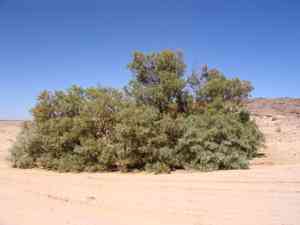
Celebrated for its resilience in dry climates and its thick, perennial leaves, athel tamarisk flourishes in challenging settings. Perform trimming during its dormant period in winter to manage its dimensions and preserve its intended form. Removing older limbs stimulates fresh development and improves air circulation, which is crucial for the plant's well-being. For this particular variety, trimming can bolster its effectiveness as a wind barrier or for preventing soil erosion. Pruning is also vital for eliminating any deceased or compromised wood, thereby safeguarding athel tamarisk's vigor and visual attractiveness.
What Are the Benefits of Pruning Athel Tamarisk?
What Are the Benefits of Pruning Athel Tamarisk?
Trimming athel tamarisk encourages robust development and maintains its desired structure. Strategic cutting back manages size, promoting a denser, healthier canopy resistant to pests and environmental stress.
What Is the Best Time for Pruning Athel Tamarisk?
What Is the Best Time for Pruning Athel Tamarisk?
Pruning athel tamarisk in late winter is ideal as the plant is dormant, minimizing stress and sap loss. This timing avoids cutting during the spring growth surge, ensuring energy is directed towards new growth post-pruning rather than recovery from pruning wounds. Additionally, without leaves, the structure of athel tamarisk is more visible, allowing for more precise trimming. Pruning before the onset of spring growth also helps prevent disease spread, as pathogens are less active in colder weather. Late winter pruning does not interfere with the flowering season of athel tamarisk, which typically occurs in spring to summer, allowing gardeners to enjoy the plant's natural display.
What Tools Do I Need to Prune Athel Tamarisk?
Hand Pruners
Perfect for cutting small branches and twigs of athel tamarisk, enabling precise cuts and minimizing harm to the plant's structure.
Lopping Shears
Best for cutting through thicker branches of athel tamarisk that hand pruners cannot handle, offering good leverage and cleaner cuts.
Pruning Saws
Essential for larger branches of athel tamarisk where lopping shears are insufficient; they provide the necessary cutting power without causing excessive plant stress.
Hedge Shears
Useful for shaping and maintaining the dense foliage of athel tamarisk, helping to create a neat and orderly appearance.
Pole Pruner
Allows for the removal of out-of-reach branches of athel tamarisk, ensuring safety by reducing the need for ladders when pruning taller specimens.
How to Prune Athel Tamarisk
Remove Dead
Identify and remove any dead branches from athel tamarisk by cutting them at their base to prevent decay from spreading to healthy areas. Use sharp, clean pruning shears or a saw for branches thicker than half an inch.
Inspect
Examine athel tamarisk thoroughly for signs of disease, such as discoloration, abnormal growths, or oozing sap from wounds. These symptoms indicate potentially diseased branches that require removal.
Disinfect Tools
Sanitize your pruning tools before and after cutting diseased branches from athel tamarisk to prevent the spread of pathogens. Use a solution of 1 part bleach to 9 parts water to sterilize your tools.
Cut Diseased
Prune away diseased branches of athel tamarisk by making clean cuts well below the affected areas to ensure all diseased tissue is removed. Dispose of these branches properly to prevent contaminating other plants.
Shape
After removing dead and diseased branches, lightly trim athel tamarisk to maintain the desired shape and size. Focus on selective thinning rather than heavy cutting to encourage air circulation and sunlight penetration throughout the canopy.
Mulch
Apply mulch around the base of athel tamarisk to protect the roots and help retain soil moisture after pruning. Keep the mulch at least a few inches away from the trunk to avoid trapping moisture against the bark.
Common Pruning Mistakes with Athel Tamarisk
Overpruning
Reducing athel tamarisk's foliage by more than one-third can shock the plant, potentially leading to poor growth or even death. It is important not to remove too much at once.
Improper Tools
Using dull or dirty tools can cause unnecessary damage to athel tamarisk's branches and create jagged cuts that are more susceptible to disease.
Pruning Healthy Wood
Unnecessarily cutting away healthy growth can hinder athel tamarisk's development. Focus on removing only dead, diseased, or problematic growth.
Neglecting Sanitation
Not sanitizing tools between cuts, especially when dealing with diseased branches, can spread pathogens to healthy parts of athel tamarisk or to other plants.
Inadequate Clean-Up
Leaving pruned material on the ground can foster disease and pests. Properly dispose of all clippings after pruning.
Ignoring Plant Architecture
Failure to consider athel tamarisk's natural shape and growth habit can result in an unbalanced and unsightly appearance.
Common Pruning Tips for Athel Tamarisk
Sharp Clean Tools
Use sharp, clean pruning shears or saws to make clean cuts that athel tamarisk can heal from more efficiently, reducing the risk of disease.
Identify Prioritize
Identify dead, diseased, or broken branches as the first priority for removal to maintain athel tamarisk's health and vigor.
Gradual Pruning
Approach pruning athel tamarisk gradually, ensuring not to remove too much foliage in one session. If a significant renewal is needed, spread it over several years.
Protective Growth
Retain the lower branches of athel tamarisk when possible, as they can protect the trunk from sunscald and mechanical damage.
Natural Shape
Prune athel tamarisk by following its natural form. Hard pruning to shape athel tamarisk artificially can stress the plant and encourage weak growth.
Thin Center
Thin out the center of athel tamarisk to allow light and air to penetrate the canopy, which can decrease disease pressure and encourage a stronger, healthier plant.



