Enhancing Your Garden Design with the Athel tamarisk Plant: A Landscaping Guide
1
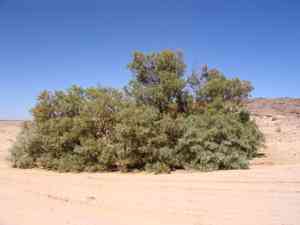
Athel tamarisk tolerates dry conditions well, making it ideal for desert climates.
2
Its distinctive leaves enhance the visual appeal of any landscape.
3
Athel tamarisk needs little care, simplifying garden upkeep.
Why Select Athel Tamarisk for Your Outdoor Space?
Drought Resilience: Perfect for arid environments
A key attribute of Athel tamarisk is its remarkable capacity to endure dry spells. This makes it an outstanding option for gardeners in dry and semi-dry regions. The plant's inherent water-saving ability helps it flourish where other flora might struggle. This trait not only keeps your garden vibrant and green even during dry periods but also lessens watering frequency, making it an environmentally sound choice for water-conscious gardeners.
Visual Appeal: Distinctive leaves and form
The aesthetic charm of Athel tamarisk is undeniable. Its unique foliage offers a textural contrast in your garden, adding depth and dimension to your landscape. The slender, delicate branches and fine leaves create a graceful outline that sways with the breeze, producing a dynamic and calming visual. Whether used as a focal point or integrated into a mixed border, Athel tamarisk stands out with its unique look, enhancing your garden's overall beauty.
Easy Care: Minimal upkeep demands
For those who prefer a low-maintenance garden, Athel tamarisk is an ideal selection. Once established, it requires very little attention. This robust plant resists many pests and diseases, reducing the need for chemical treatments. Its natural hardiness means it thrives with minimal pruning and fertilization, allowing you to enjoy a beautiful garden without dedicating countless hours to its care. This makes Athel tamarisk perfect for busy gardeners or those new to landscaping.
Initial Considerations Before Planting Athel Tamarisk
Selecting the Right Spot: Sunlight and area requirements
Before planting Athel tamarisk, it's vital to choose an appropriate location that meets its sun exposure and spatial needs. Athel tamarisk thrives in full sun, requiring at least six hours of direct sunlight daily for optimal growth. When selecting a site, consider the plant's mature size and ensure ample room for it to expand. Sufficient spacing will prevent overcrowding and encourage healthy development, allowing the plant to fully realize its potential.
Soil Preparation: Ensuring prime growth conditions
Proper soil preparation is crucial for fostering Athel tamarisk's growth. This plant prefers well-draining soil, so it's important to ensure the planting area isn't prone to waterlogging. If your soil is heavy or clayey, consider amending it with organic matter or sand to improve drainage. Additionally, checking and adjusting your soil's pH level if necessary can promote healthier growth. A well-prepared soil base provides essential nutrients and a strong foundation for Athel tamarisk to establish roots.
Design Harmony: Pairing Athel tamarisk with other plants
Integrating Athel tamarisk into your garden design requires careful thought regarding its compatibility with other plants. It pairs well with other drought-tolerant species and can beautifully complement various garden styles, from Mediterranean to desert landscapes. When planning your garden layout, consider the height, color, and texture of surrounding plants to ensure a cohesive and visually pleasing composition. Proper planning will ensure Athel tamarisk enhances rather than dominates your garden's design.
Planting and Establishing Athel Tamarisk
Step-by-Step Planting Guide
To successfully plant Athel tamarisk, begin by digging a hole twice as wide and as deep as the root ball. Gently place the plant in the hole, ensuring the top of the root ball is level with the surrounding soil. Backfill the hole with soil, pressing it firmly around the roots to eliminate air pockets. Water the plant thoroughly after planting to help settle the soil and establish the roots. Following these steps will give your Athel tamarisk a strong start in your garden.
Watering Practices for Newly Planted Athel Tamarisk
Appropriate watering is essential for newly planted Athel tamarisk. While it's drought-resistant once mature, young plants need consistent moisture to develop robust roots. Water the plant deeply once a week, allowing the water to penetrate the soil and reach the root zone. Avoid overwatering, as this can lead to root rot. As the plant matures, gradually reduce watering frequency, allowing it to develop its natural drought tolerance. Observing these practices will ensure healthy growth.
Mulching Techniques: Advantages and methods
Applying mulch around the base of Athel tamarisk offers numerous benefits, including moisture retention, weed suppression, and temperature regulation. Use organic mulch, such as wood chips or straw, and spread it in a 2-3 inch layer around the plant, being careful not to cover the stem. Mulching helps maintain consistent soil moisture, protects roots from temperature extremes, and reduces the need for frequent weeding. Regularly replenish the mulch layer to sustain its benefits.
Long-Term Landscaping Benefits of Athel Tamarisk
Increased Biodiversity: Attracting wildlife to your garden
Athel tamarisk can significantly boost your garden's biodiversity by drawing in various forms of wildlife. Its foliage and flowers provide food and shelter for insects, birds, and small mammals. By incorporating Athel tamarisk into your landscape, you create a more vibrant ecosystem that supports pollinators and other beneficial creatures. This not only adds life and movement to your garden but also contributes to the overall health and sustainability of your local environment.
Seasonal Changes: Year-round visual appeal
One appealing aspect of Athel tamarisk is its ability to provide visual interest throughout the year. During the growing season, its lush foliage creates a dense and attractive canopy. In autumn and winter, the plant's distinctive branch structure adds architectural interest. The dynamic changes in appearance across seasons make Athel tamarisk a versatile and enduring element in your landscape, ensuring your garden remains captivating all year round.
Erosion Control: How Athel tamarisk aids in soil stabilization
Athel tamarisk is highly effective in preventing erosion and stabilizing soil. Its extensive root system binds the soil, lessening the risk of erosion, especially on slopes and in areas prone to heavy rainfall. By planting Athel tamarisk in erosion-prone areas, you can help maintain soil integrity and prevent the loss of valuable topsoil. This not only protects your garden but also contributes to the conservation of natural resources and the environment at large.



