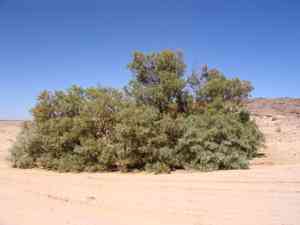
Athel tamarisk(Tamarix aphylla)

Athel tamarisk (Tamarix aphylla)

Also known as: Athel pine, Evergreen saltcedar, Saltcedar

The athel tamarisk (*Tamarix aphylla*) is an evergreen tree originally from Africa and the Middle East, now also prevalent in the southwestern United States. Key characteristics and uses include:

1. **Growth and Appearance**: A fast-growing tree that can reach heights of up to 18 meters, featuring slender branches with small, scale-like leaves.
2. **Wood**: The fine-grained, light-colored wood is valued for making furniture and fence posts, and it emits a pleasant fragrance when burned, making it suitable for fuel.
3. **Environmental Adaptability**: Highly tolerant to saline soils and drought conditions, making it an ideal choice for arid landscapes.
4. **Shade and Shelter**: Provides excellent shade and is commonly used for creating windbreaks to protect crops and properties.
5. **Ornamental Use**: Sometimes planted in gardens and parks for its decorative appeal.

In summary, the athel tamarisk is notable for its utility in tough environmental conditions, its quick growth, and its versatile wood.

Attributes of Athel tamarisk

Lifespan
Perennial
Plant Type
Tree
Plant Height
6 m to 18 m
Spread
8 m to 15 m
Leaf Color
Green Gray
Flower Size
2.5 cm
Flower Color
White Pink

ForwardPlant - Identify plants with a snap

Identify and diagnose plants, get toxicity alerts, and explore safety guides for all types of fungi.

Try for Free

Images of Athel tamarisk

Athel tamarisk(Tamarix aphylla)

Quickly Identify Athel tamarisk

1
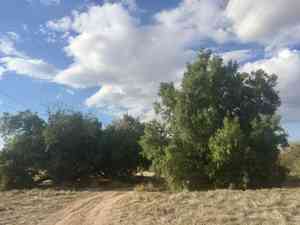
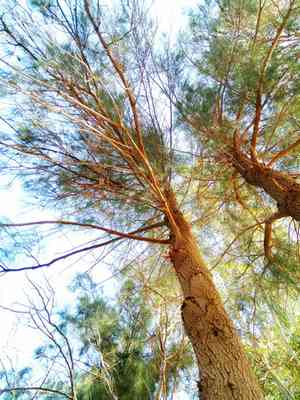
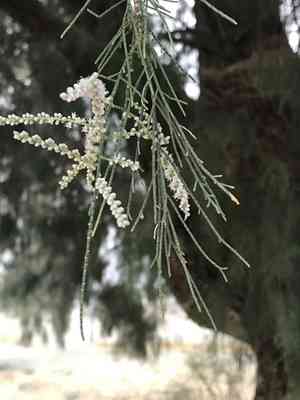
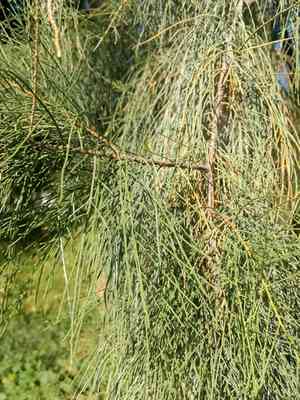
Look for a large evergreen shrub or small tree with scale-like leaves and slender, wispy branches. The bark is typically reddish-brown and the tiny flowers appear in dense clusters.

Scientific Classification of Athel tamarisk

Phylum
Vascular plants
Class
Dicotyledons
Order
Caryophyllales
Family
Tamarisk
Genus
Tamarisks
Species
Athel tamarisk

Planting and Growing of Athel tamarisk

Care Difficulty
Easy
Watering Schedule
Every day
Sunlight Requirements
Full sun
Sunshine Duration
6-10 hours
Ideal Temperature
68-86℉
Soil Type
Potting Mix, Peat Mix
Soil pH
6.5-8.5
Fertilizer Type
Balanced
Pruning Season
Spring, Summer
Pruning Area
Branches, Leaves
Pruning Frequency
2 times a year
Repotting Season
Spring
Pot Type
Plastic, Ceramic

water icon How to Water Athel tamarisk?

Tamarix aphylla requires a deep watering approach, where each session involves giving around 500 milliliters of water. This amount should be enough to penetrate the soil deeply, reaching the root zone, without waterlogging it.
What are the symptoms of an underwatered Athel tamarisk?
What should I do if my Athel tamarisk is not getting enough water?
What are the symptoms of an overwatered Athel tamarisk?
How to save an overwatered Athel tamarisk?

sunlight icon What Are the Sunlight Requirements for Athel tamarisk?

Sunlight Requirements: Full sun, Partial sun
Duration of light: 6-12 hours daily
Tamarix aphylla thrives best within full sun to partial sun exposures, ideally 6-12 hours daily. This range simulates its native sunny and arid environment, fostering healthy growth, blooming, and longevity.
What is the best light condition?
How can I achieve this lighting condition?
What are the benefits of ideal lighting?
More About Sunlight Requirements Techniques

temperature icon What Is the Ideal Temperature Range for Athel tamarisk?

Ideal Temperature: 68 ~ 86℉
The ideal temperature range for Tamarix aphylla is between 68°F and 86°F. This range is optimal for its growth, ensuring that the plant has adequate metabolic activity and development. Within this temperature range, photosynthetic processes are at their peak, leading to healthy growth and flowering.

soil icon What Soil is Best for Athel tamarisk?

Soil type: Sandy soil, Calcareous soil, Sandy loam
Soil PH: 6.5 ~ 8.5
The Tamarix aphylla, being a tree accustomed to arid environments, benefits greatly from soils that promote water drainage, such as sandy soil. This prevents root rot and ensures the tree does not suffer from overwatering. While sandy soil is crucial for drainage, the tree also benefits from sandy loam, which provides a good balance of drainage and nutrient retention, supporting the tree’s growth and health. Tamarix aphylla is remarkably tolerant to saline conditions, making calcareous and sandy soils, which often harbor higher salt contents, ideal to avoid nutrient competition and stress from fresh water scarcity.

fertilize icon How to Fertilize Athel tamarisk?

Fertilizer type: Balanced
Tamarix aphylla requires moderate fertilization. For liquid fertilizer, apply a diluted solution with a 10-10-10 NPK ratio, using about 500 ml per plant. For slow-release fertilizer, spread 50 grams per square meter around the base of the plant. Over-fertilizing can harm the plant since it is naturally adapted to nutrient-poor soils.

prune icon How to Prune Athel tamarisk?

Pruning Time: Spring, Summer, Autumn, Winter
Begin by sterilizing your pruning tools to prevent disease spread. Remove dead or damaged branches, cutting just above a healthy bud or lateral branch. Prioritize branches that intertwine or grow inwards, as they may hinder air circulation. Aim for a balance between preserving shape and trimming for health, ensuring the plant remains open-centered to encourage sunlight penetration. For maintaining the desired shape, gradually trim back overgrown branches, focusing on keeping the natural form of the tree. It's crucial not to remove more than a third of the overall foliage during a single session to avoid stressing the plant. Regular monitoring of growth patterns helps you make incremental cuts, achieving a controlled yet natural appearance. More About Pruning Techniques

propagate icon How to Propagate Athel tamarisk plant?

Propagate Time: Early spring, Late spring
1
Choose healthy, disease-free stems from a mature Tamarix aphylla plant. The selected stems should be semi-hardwood for optimal rooting success.
2
Cut the selected stems into lengths of about 6-12 inches, ensuring that each cutting has at least two nodes. Remove lower leaves to reduce moisture loss.
3
Dip the base of each cutting in a rooting hormone to encourage root development. Place the cuttings in a propagation tray filled with a suitable growing medium and water them well.
More About Propagating Techniques

repot icon How to Repot Athel tamarisk plant?

Repotting frequency: Every 2-3 years
1
Aphylla, commonly known as Athel tamarisk, typically signals the need for repotting when growth seems stunted or the roots are visibly outgrowing the container. Look for roots poking out of drainage holes or soil that dries out too quickly. These are the telltale signs that it needs a new home.
2
Select a pot that is one size larger than the current one, ensuring it has adequate drainage holes. A container with good drainage helps prevent waterlogging, which is crucial for preventing root rot and promoting healthy growth. A clay or terracotta pot is often preferred for its breathability.
3
Opt for a well-draining sandy mix that mimics its natural arid habitat. This type of soil prevents water from pooling around the roots, reducing the risk of rot and promoting robust root systems. A good mix usually contains sand, perlite, and a bit of potting soil for nutrients.

ForwardPlant - Identify plants with a snap

Find the best spots for them to optimize their health, simply using your phone.

Try for Free