How Much Sunlight Do Scarlet hedgenettle Need?
1
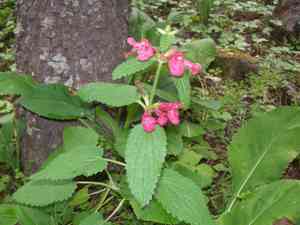
Scarlet hedgenettle flourishes in ample sunlight but can endure some shade.
2
Confirm Scarlet hedgenettle gets a minimum of 6 hours of direct sun each day for best development.
3
Observe your Scarlet hedgenettle frequently during intense summer weather to avoid sun scorching.
Understanding Scarlet Hedgenettle Light Requirements
Ideal Sun Exposure for Scarlet Hedgenettle
The Scarlet hedgenettle thrives in full sun, needing at least 6 hours of direct sunlight daily. This optimal light promotes vibrant red blooms, enhancing any garden. If planting in partial shade, ensure it receives morning sun, which is gentler but sufficient for growth and photosynthesis.
Why Light is Essential for Scarlet Hedgenettle
Sunlight is crucial for the Scarlet hedgenettle's health and development. It fuels photosynthesis, converting light into energy for growth and flowering. Adequate light also maintains the plant's structure, keeping it robust. Insufficient light can lead to leggy, weak stems, unable to support leaves and flowers. Therefore, proper placement is key to ensure adequate sunlight.
When is Sunlight Excessive for Scarlet Hedgenettle?
Signs of Too Much Sun
While Scarlet hedgenettle loves sun, excessive direct, intense light, especially in summer, can cause problems. Symptoms include scorched or bleached leaves, appearing as brown or white damaged spots. The plant may also wilt despite moist soil. If these signs appear, provide shade during the day's hottest hours.
Preventing Sun Damage in Scarlet Hedgenettle
To avoid sun damage, consider a shade cloth or placing your Scarlet hedgenettle where it gets filtered light during peak sun. Mulching around the base helps retain soil moisture, preventing rapid drying. Water regularly, especially during hot, dry periods, to maintain healthy soil moisture and mitigate intense sunlight effects.
What Happens with Insufficient Sunlight for Scarlet Hedgenettle?
Indicators of Light Deficiency
Lack of sunlight can harm your Scarlet hedgenettle. A primary sign is stem elongation as it stretches for light, known as etiolation. You might also observe reduced flowering, with fewer or smaller blooms. The plant's color may appear dull or pale, indicating insufficient light for photosynthesis.
Improving Light Conditions for Scarlet Hedgenettle
If your Scarlet hedgenettle lacks sunlight, move it to a sunnier garden spot. If relocation isn't possible, trim nearby plants or trees casting shadows. For indoor plants, a south-facing window provides extra light. Grow lights can supplement natural sunlight, ensuring ample light even in less-than-ideal outdoor conditions.
Seasonal Light Requirements of Scarlet Hedgenettle
Adjusting Light Throughout Seasons
Like most plants, Scarlet hedgenettle's light needs vary seasonally. Spring and summer offer longer, more intense sunlight, which it benefits from. As autumn and winter approach, sunlight hours decrease, naturally adjusting its growth cycle. Less aggressive light supplementation may be needed then. However, ensuring some light, especially in winter, keeps it healthy for the next growing season.
Indoor vs. Outdoor Light Considerations
Whether indoors or out, Scarlet hedgenettle needs its light requirements met. Outdoor plants should be in a location with ample morning to early afternoon sun. Indoor Scarlet hedgenettle should be near windows with plenty of direct sunlight, like south-facing ones. Rotate the plant regularly for even light exposure and growth. In winter, grow lights may be needed to maintain plant health.



