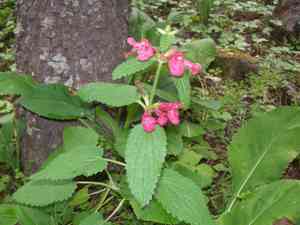
Scarlet hedgenettle (Stachys coccinea)
Also known as: Scarlet Hedgenettle, Texas Betony, Red Mint
Scarlet hedgenettle, known scientifically as Stachys coccinea, features striking red tubular blossoms that are highly appealing to hummingbirds. While it is commonly grown as an ornamental plant with numerous cultivated varieties, it remains quite uncommon in its natural environment.
In This Article
Attributes of Scarlet hedgenettle
Lifespan
Perennial
Plant Type
Herb
Plant Height
50 cm
Spread
1 m
Leaf Color
Green
Flower Size
1 inch (2.5 cm)
Flower Color
Red Pink
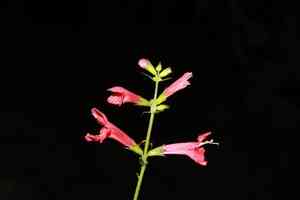
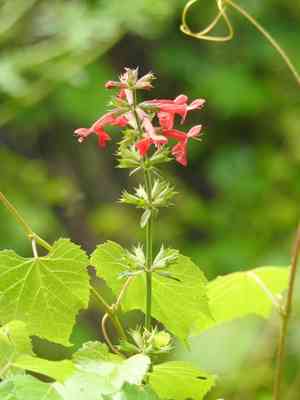
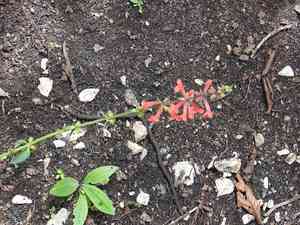
Images of Scarlet hedgenettle
Quickly Identify Scarlet hedgenettle
1
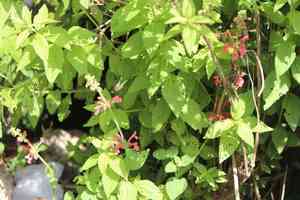
Stachys coccinea can be identified by its square stems, opposite leaves, and bright red tubular flowers that form in dense spike-like clusters. The leaves are generally ovate to lanceolate, with a serrated edge and a soft, hairy texture.
Scientific Classification of Scarlet hedgenettle
Phylum
Vascular plants
Class
Dicotyledons
Order
Lamiales
Family
Mint
Genus
Hedgenettle
Species
Scarlet hedgenettle
Planting and Growing of Scarlet hedgenettle
Care Difficulty
Easy
Watering Schedule
Every 4 days
Sunlight Requirements
Full sun
Sunshine Duration
6-10 hours
Ideal Temperature
65-75℉
Soil Type
Potting Mix, Peat Mix
Soil pH
6.5-7.5
Fertilizer Type
Balanced
Pruning Season
Spring, Summer
Pruning Area
Branches, Leaves
Pruning Frequency
2 times a year
Repotting Season
Spring
Pot Type
Plastic, Ceramic
 How to Water Scarlet hedgenettle?
Stachys coccinea, commonly known as Scarlet Sage, prefers consistently moist but not waterlogged soil. It benefits from a thorough watering when the top inch of soil feels dry. This typically requires about 500 ml per watering session, ensuring the soil is evenly moist but with no excess water sitting at the bottom.
What are the symptoms of an underwatered Scarlet hedgenettle?
›
What should I do if my Scarlet hedgenettle is not getting enough water?
›
What are the symptoms of an overwatered Scarlet hedgenettle?
›
How to save an overwatered Scarlet hedgenettle?
›
 What Are the Sunlight Requirements for Scarlet hedgenettle?
Stachys coccinea appreciates a light range of full to partial sun. This range promotes healthy blooming and vibrant coloration, resulting in a visually appealing and resilient growth cycle.
More About Sunlight Requirements Techniques→
How much sunlight does Stachys coccinea need?
›
What are the ideal conditions for Stachys coccinea to flourish?
›
How can I attain these ideal conditions for Stachys coccinea?
›
 What Is the Ideal Temperature Range for Scarlet hedgenettle?
Stachys coccinea thrives best within temperatures ranging from 65°F to 75°F. Maintaining this range ensures optimal growth and flowering. Consistent temperatures in this range support metabolic processes and photosynthesis, allowing the plant to flourish with vibrant blooms.
 What Soil is Best for Scarlet hedgenettle?
Stachys coccinea thrives in soil that ensures excellent drainage. Well-draining soils prevent waterlogged conditions, helping to avoid root rot and promote strong root development, which enhances the plant's overall health and floral display. A nutrient-rich soil provides the essential minerals for Stachys coccinea's growth and vivid blooming. Supplementing the soil with organic matter like compost can boost the nutrient content, ensuring vibrant foliage and bountiful flowers. While drainage is important, the soil should also retain some moisture to sustain the plant during dry spells. Balancing these two allows Stachys coccinea to draw upon moisture when needed, without the risk of drying out too quickly.
 How to Fertilize Scarlet hedgenettle?
For Stachys coccinea, a balanced approach to fertilizer ensures vibrant growth. When using liquid fertilizer, dilute it to half the recommended strength to prevent root burn. For slow-release fertilizers, apply about 1/4 cup per plant annually, making sure it integrates well with the soil.
 How to Prune Scarlet hedgenettle?
Start by looking for stems that are brown or dead. Removing these allows the plant to focus more energy on healthy parts and encourages new growth. Cut these stems back to the base, ensuring a clean cut to prevent disease. Stachys coccinea can grow in an unruly manner if left unattended. Use your shears to trim back stems that stick out awkwardly, maintaining a symmetrical shape. This not only improves the plant’s appearance but also encourages compact growth. To encourage new growth and flowering, snip back the tips of the stems by a few inches. This pinch-back technique stimulates the plant to produce more stems and flowers, leading to a fuller and more vibrant display.
More About Pruning Techniques→
 How to Propagate Scarlet hedgenettle plant?
1
Start by preparing a well-draining and nutrient-rich soil mix for either sowing seeds or planting cuttings. This step is crucial for ensuring that the young plants have adequate nutrition and do not suffer from root rot.
2
Scatter the seeds of Stachys coccinea evenly over the soil surface and lightly press them down. It is important to cover them with a thin layer of soil or vermiculite to maintain moisture levels ideal for germination.
3
Carefully cut a healthy stem section of about 4-6 inches in length from the mother plant. Remove the lower leaves to expose the nodes, which will eventually form roots when planted.
 How to Repot Scarlet hedgenettle plant?
1
You should consider repotting Stachys coccinea when the roots start circling the bottom of the pot or when growth seems stunted. These signs indicate that the plant has outgrown its current home and needs more space to flourish.
2
Select a pot that is 2 inches larger in diameter than the current one to allow room for growth. Ensure the pot has drainage holes to prevent waterlogging, which can lead to root rot, thus helping your plant thrive in a healthier environment.
3
Opt for a well-draining potting mix with added perlite or sand. This composition ensures that the roots have adequate aeration, which prevents the soil from retaining too much moisture, reducing the risk of root rot.
Learn More About Scarlet hedgenettle Diseases
Anthracnose
Bacterial Leaf Spot
Bacterial Soft Rot
Bacterial Wilt
Black Spot
Chemical Injury
Crown Gall
Damping-off
Downy Mildew
Drought Stress
Fusarium Wilt
Gray Mold
Leaf Curl
Leaf Spot
Mosaic
Nutrient Deficiency
Nutrient Toxicity
Powdery Mildew
Root Rot
Root-knot Nematode
Rusts
Sooty Mold
Spider Mites
Temperature Stress
Thrips Damage
White Mold



