Enhancing Your Garden Design with the Scarlet hedgenettle Plant: A Landscaping Guide
1
Scarlet hedgenettle provides vivid hues that can brighten any garden space.
2
This plant requires minimal upkeep, perfect for gardeners with limited time.
3
Scarlet hedgenettle aids local fauna by supplying nectar to bees and butterflies.
Appreciating the Visual Appeal of Scarlet Hedgenettle
Vibrant Hues and Textures
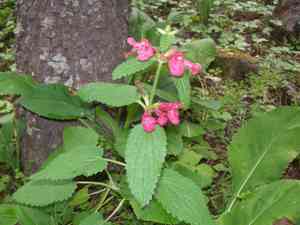
A key characteristic of Scarlet hedgenettle is its striking colors and distinct textures. The bright red blossoms capture attention, serving as a focal point in any garden. Furthermore, its soft, fuzzy leaves add textural depth, enriching landscape designs. This contrast makes it ideal for borders, flower beds, or as an accent in mixed plantings.
Height and Structural Advantages
Scarlet hedgenettle offers optimal height and structure for diverse landscaping requirements. Typically reaching 1 to 3 feet, it integrates well with both shorter and taller plants, achieving a balanced look. Its upright growth habit introduces vertical interest, breaking up flat landscapes and giving your garden a more dynamic appearance.
Seasonal Allure of Scarlet Hedgenettle
A benefit of incorporating Scarlet hedgenettle into your landscape design is its capacity to provide year-round visual interest. Blooming from late spring to early autumn, it maintains garden color across multiple seasons. Additionally, its foliage remains appealing even when not in bloom, ensuring your garden retains its charm throughout the year.
Integrating Scarlet Hedgenettle into Various Landscaping Styles
Classic Garden Designs
Scarlet hedgenettle beautifully complements traditional garden layouts. Its classic color and form make it an excellent addition to cottage gardens, herb gardens, and perennial borders. Combine it with roses, delphiniums, and lavender for a timeless, picturesque setting.
Contemporary Landscape Concepts
In modern landscape designs, Scarlet hedgenettle can provide a vivid contrast to minimalist settings. Its bright red flowers and lush green foliage introduce a burst of color to monochromatic or geometric schemes. Plant it in clusters or rows to enhance the structural clarity of contemporary landscapes.
Scarlet Hedgenettle in Urban Environments
For urban gardens, Scarlet hedgenettle is an ideal choice. Its size and resilience make it suitable for container gardening on balconies or patios. Moreover, its ability to attract pollinators brings a touch of nature into city life, creating small urban oases.
Ecological Benefits of Scarlet Hedgenettle in Gardens
Attracts Beneficial Wildlife
Scarlet hedgenettle is known for drawing in helpful wildlife, such as bees, butterflies, and hummingbirds. These pollinators play a vital role in maintaining a healthy garden ecosystem. By including Scarlet hedgenettle in your landscaping, you not only add beauty but also support local biodiversity.
Drought Tolerance and Sustainability
A prominent feature of Scarlet hedgenettle is its drought resistance. This makes it an excellent option for sustainable gardens, particularly in arid regions. By requiring less water, Scarlet hedgenettle helps conserve resources and reduce garden upkeep.
Low Maintenance Advantages
Gardeners will appreciate the minimal care requirements of Scarlet hedgenettle. It doesn't demand frequent attention, making it perfect for those with busy lifestyles. Regular pruning and occasional watering are often sufficient to keep this robust plant thriving.
Selecting the Optimal Location for Scarlet Hedgenettle in Your Garden
Sunlight and Shade Requirements
When planting Scarlet hedgenettle, consider its light exposure needs. This plant flourishes in full sun but can endure partial shade. Ensure it receives at least 6 hours of daily sunlight for optimal growth and flower production.
Soil Types and Drainage Needs
Scarlet hedgenettle prefers well-drained soil with a balanced nutrient content. It can adapt to various soil types but performs best in sandy or loamy soils. Avoid waterlogged areas, as poor drainage can lead to root rot and other issues.
Companion Planting with Scarlet Hedgenettle
Companion planting with Scarlet hedgenettle can improve your garden's health and visual appeal. Pair it with plants like salvia, agastache, or coreopsis to create a vibrant and diverse landscape. These combinations not only look good but also support mutual growth and pest resistance.
Long-term Care and Management of Scarlet Hedgenettle
Pruning and Seasonal Maintenance
For sustained health, Scarlet hedgenettle requires some seasonal care. Prune back faded flowers to encourage continuous blooming. In late autumn, cut the plant back to the ground to prepare it for winter dormancy. This ensures vigorous growth in the spring.
Managing Common Pests and Diseases
Scarlet hedgenettle is relatively resistant to pests and diseases. However, it's important to watch for common issues like aphids, spider mites, and powdery mildew. If you notice any problems, treat them promptly with organic or chemical remedies as needed.
Renewal and Rejuvenation Advice
Every few years, consider revitalizing your Scarlet hedgenettle plants to maintain their vigor. Divide older plants in early spring or fall to preserve their health and promote new growth. Rejuvenation helps prevent overcrowding and keeps your garden attractive.



