How to Propagate Scarlet hedgenettle?
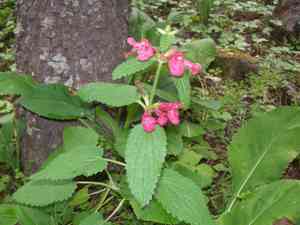
This enduring plant is recognized for its brilliant crimson blossoms and traits typical of the mint family. The most successful method for propagation involves using cuttings. Cultivators ought to acquire robust stem sections and encourage their rooting in an appropriate substrate, guaranteeing sufficient humidity and warmth to foster root formation. With attentive nurturing, scarlet hedgenettle will become established and proliferate, providing a captivating spectacle in horticultural environments. Regular inspection for infestations and ailments is crucial to uphold vigorous development and preserve the plant's decorative value.
Optimal Time for Scarlet Hedgenettle Propagation
Propagation Method
Cutting
Propagation Period
Spring,Summer
Tools Required for Scarlet Hedgenettle Propagation
Sharp Pruning Shears
These are vital for making clean cuts on stems or leaves from scarlet hedgenettle. Sharp blades ensure a precise incision, minimizing harm to the parent plant and boosting the chances of successful rooting. A clean cut is crucial for preventing infection and promoting quicker healing.
Rooting Hormone Powder
This product is applied to encourage root development on the severed ends of scarlet hedgenettle's stem cuttings. The hormone stimulates root formation, which is essential for new plant establishment. It enhances the success rate of propagation by improving the plant's capacity to absorb nutrients and water from the soil.
Sterile Potting Mix
A well-draining and clean potting medium offers the perfect environment for scarlet hedgenettle cuttings to root. It prevents disease-causing organisms from attacking vulnerable cuttings while holding sufficient moisture to support root growth without causing rot.
Humidity Dome or Plastic Cover
Maintaining a high humidity level around scarlet hedgenettle cuttings is critical, especially during the initial rooting phases. A humidity dome or a simple plastic cover over the potting container helps retain atmospheric moisture, preventing delicate cuttings from drying out before they can develop their own roots.
Heat Mat
For scarlet hedgenettle, a heat mat can be advantageous for maintaining an ideal soil temperature, promoting faster root development. Consistent warmth is particularly effective during colder months or in cooler climates where ambient temperatures might slow down the rooting process.
How to Propagate Scarlet Hedgenettle?
Propagation Type
Easy
How to Care for Your Newly Propagated Scarlet Hedgenettle?
How to Care for Your Newly Propagated Scarlet Hedgenettle?
Once scarlet hedgenettle cuttings have developed roots, gradually introduce them to less humid conditions by removing the humidity dome for a few hours daily. After a week, transfer the rooted cuttings to individual pots and place them in bright, indirect light. Water when the top inch of soil feels dry and fertilize with a balanced, water-soluble fertilizer every 4-6 weeks during the growing season. Avoid overwatering to prevent root rot. Scarlet hedgenettle thrives in well-drained soil with regular watering and enjoys full sun to partial shade exposure.
Common Mistakes to Avoid When Propagating Scarlet Hedgenettle
Overwatering cuttings
Keeping the soil excessively wet can lead to rot, especially since scarlet hedgenettle cuttings are prone to fungal diseases in overly moist conditions. This diminishes the likelihood of successful root development.
Deep planting
Planting scarlet hedgenettle cuttings too deeply can cause them to rot before they can root. Scarlet hedgenettle cuttings require adequate air circulation around the stem to prevent fungal diseases.
Neglecting humidity
Ignoring the humidity requirements of scarlet hedgenettle cuttings can result in them drying out. While scarlet hedgenettle does not need excessively humid conditions, maintaining moderate humidity supports the rooting process.
Crowded planting
Placing scarlet hedgenettle cuttings too close together can restrict airflow, increasing the chance of disease and pest infestation, which hinders the rooting process.
Ignoring cleanliness
Not using sterilized tools or containers can introduce pathogens to scarlet hedgenettle cuttings, potentially leading to disease and poor propagation outcomes.
Tips For Propagating Scarlet Hedgenettle
Stem selection
Choose healthy, disease-free stem cuttings from scarlet hedgenettle for propagation. This enhances the chances of successful rooting and plant vigor.
Soil composition
Prepare a well-draining soil mixture for scarlet hedgenettle cuttings. Proper drainage is crucial to prevent root rot while still retaining sufficient moisture for rooting.
Cutting treatment
Treat the cut end of scarlet hedgenettle cuttings with a rooting hormone to stimulate root growth and improve the success rate of propagation.
Watering care
Water scarlet hedgenettle cuttings moderately to maintain soil moisture without making it soggy. Consistent moisture levels aid in rooting without risking stem rot.
Indirect light
Place scarlet hedgenettle cuttings in bright, indirect sunlight. Direct sunlight can stress the cuttings, while insufficient light can result in weak growth.



