How to Prune Scarlet hedgenettle?
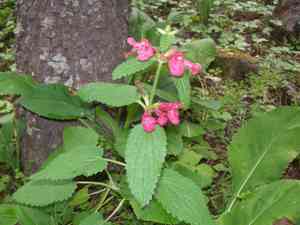
A lively, hummingbird-luring perennial, scarlet hedgenettle thrives with crimson, tube-shaped blossoms during warmer periods. Trim scarlet hedgenettle in late winter or early spring prior to the emergence of new shoots, severing deceased or frail stalks down to the soil line. The close of summer might necessitate more precise shaping cuts. Trimming revitalizes scarlet hedgenettle, encouraging dense foliage and abundant floral displays. Regularly remove faded flowers to encourage ongoing blooming. Through these methods, this striking garden feature retains its vitality and visual charm.
What Are the Benefits of Pruning Scarlet Hedgenettle?
What Are the Benefits of Pruning Scarlet Hedgenettle?
Trimming scarlet hedgenettle promotes abundant flowering, stimulates vigorous development, and maintains a compact, attractive shape. Regular cutting ensures scarlet hedgenettle stays healthy and vibrant.
What Is the Best Time for Pruning Scarlet Hedgenettle?
What Is the Best Time for Pruning Scarlet Hedgenettle?
Trimming scarlet hedgenettle in late spring, once frost danger has passed, supports the plant's rapid new growth phase and aids in shaping it before blooming. Early summer pruning is ideal for removing spent flowers to encourage continuous blooming and maintain an appealing form. Pruning in early autumn, after the flowering cycle concludes but prior to dormancy, fosters healthy growth for the subsequent season while reducing disease risk.
What Tools Do I Need to Prune Scarlet Hedgenettle?
Hand pruners
Perfect for making precise cuts on scarlet hedgenettle. They enable selective removal of stems and faded flowers, helping to encourage new growth and preserve plant shape.
Shears
Suitable for trimming and shaping scarlet hedgenettle when numerous stems require simultaneous cutting. They assist in achieving an even and visually pleasing plant form.
Gardening gloves
Offer protection for the gardener's hands from thorns and rough plant material during scarlet hedgenettle pruning, ensuring safe handling throughout the process.
Pruning saw
Useful for cutting through thicker branches that hand pruners cannot manage, allowing the gardener to remove larger stems or root suckers from scarlet hedgenettle if needed.
Loppers
Appropriate for reaching deeper or higher into the scarlet hedgenettle plants when pruning, providing greater leverage for cutting through tough stems without straining the gardener's hands.
How to Prune Scarlet Hedgenettle
Diseased Cleanup
Identify and eliminate any diseased leaves from scarlet hedgenettle to prevent infection spread. Use sanitized pruning shears, and make clean cuts to avoid harming healthy plant parts.
Withered Leaf Removal
Locate and trim away withered leaves from scarlet hedgenettle, as this will enhance air circulation, lessen potential pest issues, and promote healthier development. Perform this task with care to avoid damaging new foliage.
Flower Deadheading
Deadhead faded flowers by carefully snipping them off near the base of the bloom. This encourages scarlet hedgenettle to produce more flowers and can extend the blooming period.
Clean Tools
After pruning scarlet hedgenettle, clean and sanitize your pruning tools to prevent disease transmission to other plants, ensuring they are ready for future use.
Post Pruning Care
Water scarlet hedgenettle thoroughly after pruning and apply a balanced fertilizer to aid recovery and new growth, following manufacturer's guidelines for application.
Common Pruning Mistakes with Scarlet Hedgenettle
Over-Pruning
Removing excessive foliage can stress scarlet hedgenettle, impeding its ability to photosynthesize and grow. This may lead to reduced vigor and fewer flowers.
Imprecise Cuts
Making jagged or torn cuts can cause unnecessary damage to scarlet hedgenettle stems, creating entry points for disease and resulting in unattractive growth.
Pruning Flowering Stems
Cutting back scarlet hedgenettle while it's blooming or about to bloom can remove potential flowers and diminish the plant's display for the current season.
Using Dull Tools
Pruning with dull or dirty tools can harm scarlet hedgenettle, as they tend to crush stems instead of making a clean cut, which can also introduce pathogens.
Neglecting To Remove Dead Or Diseased Material
Failing to clear away dead, diseased, or damaged stems can attract pests and diseases while detracting from scarlet hedgenettle's overall health and appearance.
Common Pruning Tips for Scarlet Hedgenettle
Clean Equipment
Always use sharp, sterilized pruning tools for scarlet hedgenettle to ensure clean cuts and minimize the risk of spreading disease.
Correct Timing
Prune scarlet hedgenettle after flowering to promote new growth and subsequent flowering cycles, without compromising the current season's blooms.
Selective Thinning
Thin out overcrowded stems to improve air circulation and light penetration for scarlet hedgenettle, which can enhance plant health and flower quality.
Conservative Approach
Prune scarlet hedgenettle conservatively, removing only what is necessary such as dead or weak stems, to maintain the plant's natural shape and vitality.
Adequate Hydration
Make sure scarlet hedgenettle is well-watered before pruning, as a hydrated plant will recover more effectively from the stress of pruning.



