How Much Sunlight Do Arborvitae fern Need?
1
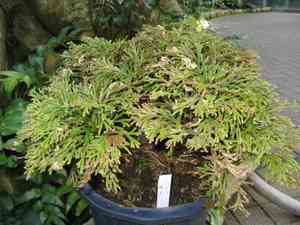
Arborvitae fern flourishes optimally in partial sunlight, getting approximately 3-6 hours of sun daily.
2
In its native environment, the Arborvitae fern frequently develops beneath tree cover, showing its inclination for filtered light.
3
Excessive direct sun exposure can lead to scorching and heat damage for your Arborvitae fern.
Optimal Illumination for Arborvitae Fern
Suggested Light Exposure
The Arborvitae fern, recognized for its delicate, airy fronds, flourishes in partial sun. Ideally, it should get between 3 to 6 hours of indirect daylight daily. This plant appreciates soft morning sun but needs protection from intense afternoon rays. If cultivating your Arborvitae fern indoors, positioning it near a window with filtered light or using sheer drapes can create ideal lighting conditions.
Native Environment and Light Requirements
Understanding the Arborvitae fern's natural habitat offers insight into its light needs. Originating from forest floors, this fern is accustomed to filtered light passing through the tree canopy. This setting provides sufficient light for photosynthesis without direct sun exposure. Replicating these conditions at home or in your garden helps ensure your fern stays healthy and vibrant.
Indicators of Adequate Sunlight for Arborvitae Fern
Healthy Development Signs
When your Arborvitae fern receives appropriate light, you'll observe consistent, robust growth. The fronds will be lush, full, and free from wilting or discoloration. The plant will show new frond emergence, and its overall appearance will be vibrant and lively.
Ideal Frond Hue
The color of your fern's fronds is a clear indicator of proper light exposure. Healthy Arborvitae fern fronds should exhibit a deep green shade. If you notice the fronds appearing pale or yellowish, it might suggest insufficient light. Conversely, if the fronds become scorched or bleached, it could be receiving too much direct sunlight.
Signs Your Arborvitae Fern Lacks Sufficient Light
Typical Symptoms of Light Deficiency
When deprived of adequate light, the Arborvitae fern may exhibit several clear signs. Common symptoms include sparse growth, elongated or leggy fronds, and a lack of new frond development. The plant may also appear dull and lifeless, and its fronds can turn yellow or pale.
How to Modify Light Levels
If you suspect your Arborvitae fern isn't getting enough light, gradually increasing its exposure can be beneficial. Relocate the plant to a brighter spot, such as closer to a window with indirect light. However, avoid abrupt changes; instead, make adjustments over one to two weeks to prevent shock. You might also consider using grow lights designed for houseplants to supplement natural light.
Shielding Your Arborvitae Fern from Excessive Sunlight
Dangers of Too Much Sunlight
Just as too little light can harm your Arborvitae fern, so can an abundance of sunlight. Overexposure to direct sun can cause fronds to scorch, leading to brown, crispy edges and even the death of entire fronds. Excessive light can also induce heat stress, further weakening the plant and making it more vulnerable to pests and diseases.
Preventing Sunburn and Heat Stress
To protect your Arborvitae fern from too much sunlight, position it where it receives only gentle morning sun or dappled light throughout the day. If it's in a particularly sunny location, consider using a sheer curtain to diffuse the light. Additionally, monitor the temperature; ensure the area is well-ventilated and avoid placing the plant near heat sources or air conditioning vents that could cause rapid temperature shifts.
Acclimating Your Arborvitae Fern to New Light Conditions
Steps for Gradual Light Adjustment
If you need to relocate your Arborvitae fern to a new spot with different light conditions, do so progressively. Begin by moving the plant to the new location for a few hours daily, then slowly extend the duration over one to two weeks. This approach allows the fern to acclimate without experiencing shock. Pay close attention to the plant's reaction and adjust as necessary.
Monitoring and Care Advice
Regularly observe your Arborvitae fern's condition, checking for signs of stress or changes in growth patterns. Ensure the plant receives not only the correct amount of light but also proper watering and humidity levels. By maintaining a consistent care regimen and making adjustments as needed, you can keep your Arborvitae fern healthy and flourishing.



