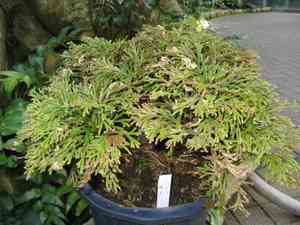
Arborvitae fern (Selaginella involvens)
Also known as: Club Moss, Resurrection Plant
Evergreen perennial plants can grow to varying heights based on the species, but many reach around 45 cm tall. They retain their leaves year-round, providing consistent greenery. Growth rates can differ, with some species growing slowly while others may grow more quickly, influenced by soil, light, water, and climate conditions.
In This Article
Attributes of Arborvitae fern
Lifespan
Perennial
Plant Type
Herb
Plant Height
30 cm
Spread
30 cm
Leaf Color
Green
Flower Size
N/A
Flower Color
N/A
Images of Arborvitae fern
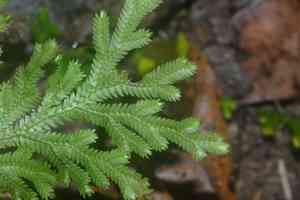
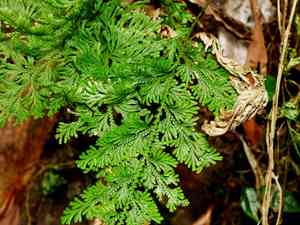
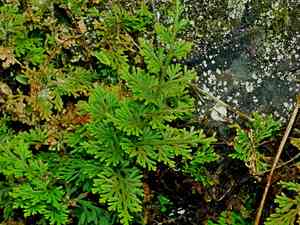
Quickly Identify Arborvitae fern
1
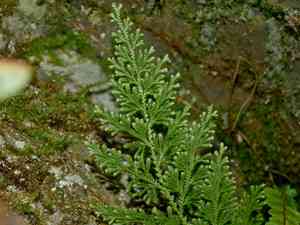
Selaginella involvens can be identified by its small, needle-like leaves arranged in a spiral pattern on trailing stems. It often appears as a dense mat or clump and can turn brown or gray during dormancy.
Scientific Classification of Arborvitae fern
Phylum
Vascular plants
Class
Club mosses
Order
Selaginellales
Family
Spike-moss
Genus
Spikemosses
Species
Arborvitae fern
Planting and Growing of Arborvitae fern
Care Difficulty
Easy
Watering Schedule
Every 8 days
Sunlight Requirements
Partial sun
Sunshine Duration
4-6 hours
Ideal Temperature
65-75℉
Soil Type
Potting Mix, Peat Mix
Soil pH
6.5-7.5
Fertilizer Type
Balanced
Pruning Season
Spring, Summer
Pruning Area
Branches, Leaves
Pruning Frequency
2 times a year
Repotting Season
Spring
Pot Type
Plastic, Ceramic
 How to Water Arborvitae fern?
Selaginella involvens thrives with consistently moist soil, but not waterlogged. Watering should ensure that the soil is evenly moist. The key is to aim for a medium where the soil remains slightly damp to the touch but not saturated. This approach allows for optimal hydration without risking root rot.
What are the symptoms of an underwatered Arborvitae fern?
›
What should I do if my Arborvitae fern is not getting enough water?
›
What are the symptoms of an overwatered Arborvitae fern?
›
How to save an overwatered Arborvitae fern?
›
 What Are the Sunlight Requirements for Arborvitae fern?
Partial sun to full shade is ideal, promoting healthy, vibrant foliage and supporting consistent growth without excessive stress or damage.
More About Sunlight Requirements Techniques→
Optimal lighting hours
›
Avoid direct sunlight
›
Adaptability to indirect light
›
 What Is the Ideal Temperature Range for Arborvitae fern?
For optimal growth and health, Selaginella involvens thrives best in temperatures ranging from 65°F to 75°F. This range imitates its natural habitat conditions, ensuring that the plant can carry out its physiological processes efficiently. It is crucial to maintain this temperature to avoid the stress that could lead to inhibited growth or susceptibility to diseases.
 What Soil is Best for Arborvitae fern?
Selaginella involvens prefers soil that retains moisture well yet still drains excess water efficiently. This balance helps prevent root rot while ensuring the plant has ample water availability, which is crucial for its lush growth. A nutrient-rich soil is essential for the growth of Selaginella involvens. Fertile soil ensures an adequate supply of the necessary minerals and elements, promoting healthier foliage and growth, ultimately leading to a more robust plant. Well-aerated soil supports healthy root growth by providing oxygen needed for root respiration. Proper aeration in the soil allows Selaginella involvens roots to expand and access nutrients efficiently, leading to vigorous growth.
 How to Fertilize Arborvitae fern?
For Selaginella involvens, it is paramount to use fertilizers sparingly. The ideal amount should be a half-strength of a balanced fertilizer. Always ensure you dilute the fertilizer to avoid nutrient burn, which this delicate fern-like plant is highly susceptible to.
 How to Prune Arborvitae fern?
After pruning Selaginella involvens, check soil moisture regularly. This plant prefers consistently moist soil, so adjust watering as needed, especially after trimming, to promote recovery and continued growth. Be cautious not to remove more than one-third of the plant's foliage at a time. Over-pruning can stress the plant and slow down its growth. Allow time for recovery between sessions to ensure vigorous health.
More About Pruning Techniques→
 How to Propagate Arborvitae fern plant?
1
Choose healthy stems from the parent plant, preferably those that are young and vigorous. Cut between 2 to 4 inches long pieces, ensuring each has several leaves but remove any flowers.
2
Use a well-draining soil mixture or a combination of peat and sand for the growing medium. This ensures good aeration and moisture retention, critical for root development.
3
Insert the cuttings into the prepared growing medium about one-third of their length. Ensure they are firm and upright, creating a greenhouse effect by covering them with a plastic bag can increase humidity.
 How to Repot Arborvitae fern plant?
1
Repotting Selaginella involvens is necessary when you notice the roots outgrowing the current container or water draining too quickly. Typically, it's best to do this when new growth appears in spring. This ensures the plant is not stressed and can quickly establish itself in the new soil.
2
The ideal pot for Selaginella involvens should have good drainage. Choosing a pot with a 1-2 inch diameter increase ensures enough space for root expansion without overwhelming the plant. Having drainage holes prevents waterlogging, which is crucial for its health.
3
Opt for a well-draining, acidic potting mix for Selaginella involvens, which mimics its natural forest floor environment. Such soil retains moisture moderately while preventing root rot, creating a balanced habitat for the plant's development.



