Enhancing Your Garden Design with the Arborvitae fern Plant: A Landscaping Guide
1
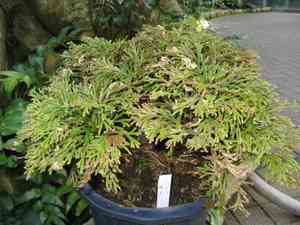
Arborvitae fern contributes a distinct and pleasing visual quality to any garden.
2
Selecting the appropriate site and companion plants can improve the development and aesthetic effect of Arborvitae fern.
3
Consistent upkeep and seasonal attention are crucial for promoting the robust health of Arborvitae fern.
Introducing Arborvitae Fern in Garden Design
Appreciating the visual charm of Arborvitae fern
The visual charm of Arborvitae fern in garden design is a key attribute. With its delicate and intricate leaves, Arborvitae fern introduces a touch of sophistication and distinctiveness to any outdoor space. Its abundant, green clusters can impart a soft texture to garden beds, walkways, or even rockeries, creating a sense of depth and contrast. Whether utilized as ground cover or to highlight other plants, Arborvitae fern possesses the adaptability to elevate the visual appeal of your landscape.
Arborvitae fern's contribution to sustainable gardening
Incorporating Arborvitae fern into your garden plan can also support environmentally friendly gardening methods. This plant is recognized for its minimal water needs and capacity to flourish in diverse soil conditions, making it an excellent option for sustainable landscaping. By employing Arborvitae fern, you can decrease water usage and foster biodiversity, as it offers a habitat for small insects and organisms. Its ability to retain soil moisture aids in preventing erosion and preserving soil health.
Selecting the Perfect Spot for Arborvitae Fern
Evaluating sun exposure and shaded areas
Choosing the best spot for Arborvitae fern requires understanding its light and shade preferences. Arborvitae fern thrives particularly well in shaded or partially shaded environments, making it an ideal selection for gardens with limited direct sunlight. When planting Arborvitae fern, observe the sun patterns in your garden and pick a location that receives filtered light or partial shade. Excessive direct sunlight can cause the leaves to scorch and brown, so it's vital to choose a spot that offers a balance of light and shade.
Assessing soil types and water drainage
The soil composition and drainage capacity are crucial for the successful growth of Arborvitae fern. This plant prefers well-draining soils that retain moisture without becoming waterlogged. Sandy loam or loamy soils with good organic content are perfect for planting Arborvitae fern. Before planting, assess the soil in your chosen location and amend it with compost or organic matter if needed to enhance its structure and nutrient content. Ensuring proper drainage is also essential, as waterlogged soil can lead to root rot and other plant health issues.
Integrating Arborvitae Fern with Other Flora
Suggested companion plants
Integrating Arborvitae fern with other plants can enhance the overall beauty and equilibrium of your garden. Consider pairing Arborvitae fern with shade-loving perennials such as hostas and ferns, which thrive in similar conditions. The vibrant green of Arborvitae fern complements the broader leaves of hostas and the feathery fronds of ferns, creating a visually diverse and attractive landscape. Including flowering plants like astilbes can add seasonal color and variety to your garden design.
Creating visual interest through textural and color contrasts
Generating visual interest in your landscape can be achieved by experimenting with textures and colors. Arborvitae fern adds a fine, delicate texture that contrasts beautifully with bolder, larger-leaved plants. To create a dynamic visual impact, consider integrating Arborvitae fern with plants that have contrasting foliage colors, such as dark green or purple-leaved plants. This contrast can highlight the unique appeal of Arborvitae fern while giving your garden a structured and well-conceived appearance.
Caring for Arborvitae Fern in Your Garden
Essential tips for a flourishing Arborvitae fern
Caring for Arborvitae fern involves consistent attention to keep it thriving. Ensure regular watering, especially during dry periods, to keep the soil moist but not saturated. Mulching around the plant's base can help retain soil moisture and suppress weed growth. Regularly inspect for pests and diseases, and address any issues promptly to prevent their spread. Pruning any damaged or unattractive parts can also encourage new growth and maintain the plant's appearance.
Seasonal care adjustments
Seasonal changes necessitate modifications in the care routine for Arborvitae fern. During the active growth period, provide additional water and nutrients to support its development. In autumn, reduce watering as the plant enters dormancy, and remove any fallen leaves or debris to prevent fungal growth. For winter care, ensure Arborvitae fern is protected from severe frost by applying a layer of mulch or using frost cloths. These seasonal care practices will help Arborvitae fern survive and flourish throughout the year.
Design Concepts Using Arborvitae Fern
Examples of successful Arborvitae fern landscapes
Reviewing examples of successful landscapes featuring Arborvitae fern can offer inspiration for your own garden design. For instance, a shaded garden in a residential area utilized Arborvitae fern as ground cover, combined with a mix of hostas and ferns, to create a lush, green sanctuary that required minimal upkeep. Another example involved using Arborvitae fern along a garden path, forming a soft, green border that visually guided visitors through the garden space. These instances demonstrate the versatility and impact of using Arborvitae fern in various garden designs.
A step-by-step guide to designing with Arborvitae fern
Designing with Arborvitae fern can be simplified with a methodical approach. First, assess your garden's conditions, including light, soil, and existing plants. Next, choose a suitable location for Arborvitae fern, ensuring it complements the surrounding flora. Plan the layout by considering the plant's growth habits and spacing requirements. Prepare the soil by adding organic matter and ensuring proper drainage. Once planted, integrate complementary plants and design elements like rocks or garden ornaments. Follow up with a maintenance plan to keep your garden looking its best throughout the seasons.



