How to Prune Arborvitae fern?
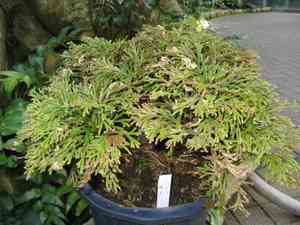
This perennial evergreen is recognized for its resemblance to conifers. For arborvitae fern, consistent removal of deceased or discolored fronds preserves its vitality and visual appeal. Nip off the ends to stimulate denser foliage. Perform pruning in spring or early summer to coincide with periods of active development, enabling recuperation and the emergence of new shoots prior to dormancy. Refrain from extensive pruning in autumn. Strategic trimming prevents excessive density, improves air circulation, and lowers the likelihood of disease, contributing to the plant's lifespan and decorative worth.
What Are the Benefits of Pruning Arborvitae Fern?
What Are the Benefits of Pruning Arborvitae Fern?
Trimming arborvitae fern encourages robust development, keeps its form compact and manageable, and improves its visual appeal by maintaining a distinct outline.
What Is the Best Time for Pruning Arborvitae Fern?
What Is the Best Time for Pruning Arborvitae Fern?
Trimming arborvitae fern in Spring allows gardeners to eliminate any winter damage and shape the plant before new growth emerges, fostering healthier development without hindering the upcoming season's growth. Early Summer is also suitable for trimming as it aids in managing size and promotes denser foliage while the plant is actively growing. However, it's crucial to avoid extensive pruning during extreme heat to prevent stress. Fall pruning is advantageous as it prepares arborvitae fern for dormancy, removes dead or diseased foliage, and can help prevent snow or ice damage during winter. These periods align with arborvitae fern's growth cycle and the generally mild weather conditions supporting plant recovery and vitality.
What Tools Do I Need to Prune Arborvitae Fern?
Precision Pruning Shears
The smaller, delicate fronds of arborvitae fern necessitate precise cutting to prevent harm to the plant. Precision pruning shears enable accurate snips without damaging adjacent growth.
Micro-Tip Snips
These are perfect for reaching into dense foliage and making accurate cuts, ideal for the intricate growth pattern of arborvitae fern.
Small Garden Scissors
Garden scissors with a small, sharp blade can be utilized for detailed work and are appropriate for the fine texture of arborvitae fern's foliage.
How to Prune Arborvitae Fern
Clean Tools
Before pruning arborvitae fern, thoroughly clean and sanitize all pruning implements. This prevents the spread of plant diseases and ensures clean cuts.
Remove Diseased Parts
Carefully inspect arborvitae fern for any indications of illness. Gently trim away diseased leaves and branches using sharp shears, cutting back to healthy tissue.
Prune Dead Material
Identify and remove withered leaves and dead branches from arborvitae fern. Make your cuts at an angle just above a healthy leaf or node to encourage new growth.
Shape Plant
To maintain the shape and encourage a fuller appearance of arborvitae fern, selectively trim overgrown areas. Be cautious not to over-prune, as this may stress the plant.
Dispose Trimmed Parts
After pruning, properly dispose of all removed material away from healthy plants to minimize the risk of disease transmission. Do not compost if the material is diseased.
Common Pruning Mistakes with Arborvitae Fern
Overpruning
Removing too much foliage can stress arborvitae fern, hindering its ability to photosynthesize and grow effectively.
Using Dull Tools
Dull pruning tools can cause jagged cuts that are more prone to infection and inhibit swift healing.
Improper Cut Location
Cutting too close to the main stem or too far from a node can prevent proper healing and regrowth for arborvitae fern.
Neglecting Tool Hygiene
Failure to disinfect tools between uses can spread disease between arborvitae fern and other plants.
Ignoring Plant Structure
Without understanding the growth pattern of arborvitae fern, one may inadvertently prune growth points that are vital for its natural shape and vigor.
Pruning Without Purpose
Indiscriminate pruning without understanding the specific goals for shaping, controlling size, or removing damaged parts can be detrimental to the overall health of arborvitae fern.
Common Pruning Tips for Arborvitae Fern
Sharp Clean Tools
Use sharp, clean, and disinfected tools to make precise cuts, which help arborvitae fern recover quicker and reduce the risk of disease.
Know The Growth Habit
Understand the growth habit of arborvitae fern to identify which fronds to prune for maintaining the desired shape and encouraging bushier growth.
Prune Damaged Foliage
Regularly remove any damaged or dead fronds at their base to promote healthy growth and prevent potential disease spread.
Gentle Technique
Employ a gentle technique to avoid damaging the delicate stems of arborvitae fern, which can be more prone to breakage than woody plants.
Thinning Over Cropping
Focus on thinning out crowded areas to improve air circulation, instead of drastically reducing the overall size of arborvitae fern.
Heed Growth Points
When pruning, pay attention to the growth points and ensure you are not removing too many of these, as it can stifle the regrowth of arborvitae fern.



