How Much Sunlight Do Parrot pitcherplant Need?
1
Parrot pitcherplants flourish with 6-8 hours of direct sun each day.
2
They can endure some shade, though this may lead to smaller, less vivid specimens.
3
Seasonal light monitoring guarantees peak health and development.
Ideal Light Conditions for Parrot Pitcherplant
Full Sun vs. Partial Shade
The Parrot pitcherplant, recognized for its vibrant foliage and distinctive pitcher-shaped traps, thrives best when exposed to full sun. This entails providing it with a minimum of 6 to 8 hours of direct sunlight daily. Ample sunlight promotes vigorous growth and preserves the plant's striking appearance. However, it can endure partial shade, especially in extremely hot regions where afternoon shade can shield the plant from scorching. It's important to note, though, that plants in partial shade might exhibit reduced vitality and potentially less vivid coloration.
Seasonal Light Requirements
Seasonal variations significantly impact light conditions. During spring and summer, ensure your Parrot pitcherplant receives abundant sun. The extended daylight hours boost its growth and enhance the development of its characteristic traps. In autumn and winter, sunlight intensity naturally diminishes. While your plant won't require as much direct light during these months, ensure it still gets bright, indirect light whenever feasible to maintain its well-being.
Indicators of Appropriate Light Exposure
Healthy Foliage and Traps
A Parrot pitcherplant receiving sufficient sunlight will exhibit vibrant and healthy leaves and traps. The foliage should appear lush, without any signs of wilting or discoloration. The traps, vital for the plant's feeding mechanism, should be upright and fully formed. Regular inspection of the leaves and traps can help you promptly adjust the plant's light exposure.
Strong Coloration
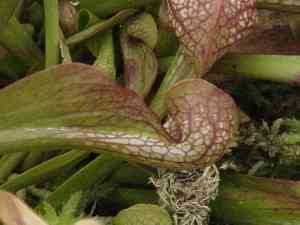
One of the most evident signs of proper sunlight is the plant's intense coloration. A well-sunned Parrot pitcherplant displays deep green leaves with striking red veins. This vivid hue not only enhances the plant's aesthetic appeal but also signifies excellent health and optimal growth conditions.
Signs of Insufficient or Excessive Light
Sunburn Symptoms
Excessive direct sunlight can lead to sunburn on the Parrot pitcherplant, characterized by browning or crisping of the leaves. If you observe these symptoms, consider using a shade cloth during peak sunlight hours. Moving the plant to a slightly shaded position can also help manage excessive light exposure and prevent further harm.
Weak Growth or Etiolation
Inadequate sunlight manifests as weak growth or etiolation, where the plant grows tall and spindly, stretching towards light sources. The traps might not develop completely, reducing the plant's ability to feed effectively. This can be corrected by gradually increasing the plant's exposure to direct sunlight, ensuring it receives the necessary 6 to 8 hours of sunlight daily.
Adjusting Light Exposure for Parrot Pitcherplant
Moving Between Indoor and Outdoor Locations
Transitioning your Parrot pitcherplant between indoor and outdoor environments can help optimize light exposure. In mild climates, outdoor placement during spring and summer maximizes sunlight absorption. When temperatures drop, consider moving it indoors to a bright window that still offers ample light without the risk of frost or cold damage.
Using Shade Cloth or Location Shifts
Shade cloths are effective tools to shield your Parrot pitcherplant from excessive sunlight. By draping a shade cloth over the plant during peak light hours, you can mitigate the risks of sunburn. Additionally, periodically changing the plant's location to follow or avoid direct sunlight can help manage its exposure throughout the day.
Monitoring and Adjusting Light Throughout the Year
Consistent monitoring of your Parrot pitcherplant's light exposure is crucial. Seasonal changes mean you must adjust its positioning and light access accordingly. Keep an eye on the plant's condition and be ready to alter its placement to ensure it continues to receive the optimal amount of sunlight year-round. This proactive approach will help maintain its health and vigor.



