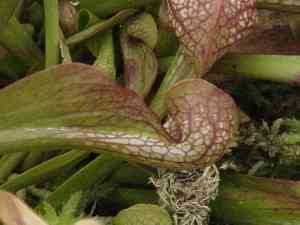
Parrot pitcherplant (Sarracenia psittacina)
Also known as: Parrot Pitcher Plant
The parrot pitcherplant, scientifically known as *Sarracenia psittacina*, is native to North America. This carnivorous plant typically captures water-dwelling prey such as arthropods and tadpoles.
In This Article
Attributes of Parrot pitcherplant
Lifespan
Perennial
Plant Type
Herb
Plant Height
15 cm
Spread
10 cm to 50 cm
Leaf Color
Green Red Purple
Flower Size
2.5 cm to 8 cm
Flower Color
Red Purple
Images of Parrot pitcherplant
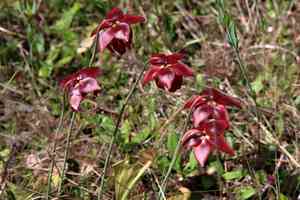
Quickly Identify Parrot pitcherplant
1
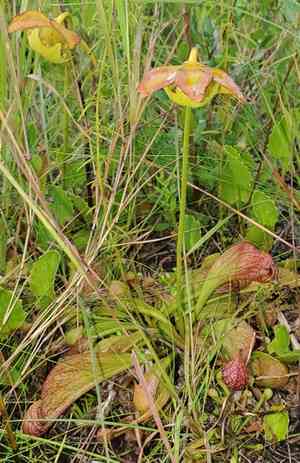
Pitcher-like leaves for trapping prey in a dense rosette close to the ground.
2
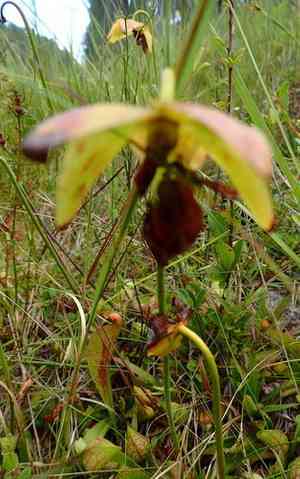
Red-purple flowers, 2 inches (5 cm) in size, resembling upside-down umbrellas on tall scapes.
3
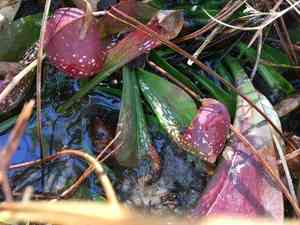
Low rosette leaves with vibrant green, red, and white patterns, featuring downward-pointing hairs.
4
Underground rhizome stem, 1 foot (30 cm) in length, providing a sturdy base for growth.
5
External nectar and bright colors attract insects onto the pitcher leaves for carnivorous feeding.
Scientific Classification of Parrot pitcherplant
Phylum
Vascular plants
Class
Dicotyledons
Order
Ericales
Family
Pitcher-plant
Genus
Trumpet pitchers
Species
Parrot pitcherplant
Planting and Growing of Parrot pitcherplant
Care Difficulty
Hard
Watering Schedule
Every 8 days
Sunlight Requirements
Full sun
Sunshine Duration
4-6 hours
Ideal Temperature
70-85℉
Soil Type
Potting Mix, Peat Mix
Soil pH
4-5.5
Fertilizer Type
Balanced
Pruning Season
Spring, Summer
Pruning Area
Branches, Leaves
Pruning Frequency
2 times a year
Repotting Season
Spring
Pot Type
Plastic, Ceramic
 How to Water Parrot pitcherplant?
Sarracenia psittacina thrives in consistently moist conditions. The amount should mimic its natural bog environment, ensuring that the soil is damp but not flooded. Approximately 100 ml per watering session should saturate the soil adequately without causing waterlogging.
What are the symptoms of an underwatered Parrot pitcherplant?
›
What should I do if my Parrot pitcherplant is not getting enough water?
›
What are the symptoms of an overwatered Parrot pitcherplant?
›
How to save an overwatered Parrot pitcherplant?
›
 What Are the Sunlight Requirements for Parrot pitcherplant?
Partial to full sun exposure allows the plant to photosynthesize efficiently while reducing the risk of sun damage, leading to healthier growth.
More About Sunlight Requirements Techniques→
What type of light is best for this plant?
›
How can I ensure the plant gets ideal lighting?
›
What are the benefits of ideal lighting?
›
 What Is the Ideal Temperature Range for Parrot pitcherplant?
The ideal temperature range for Sarracenia psittacina, commonly known as the parrot pitcher plant, is between 70°F and 85°F. This temperature range mimics their natural environment, allowing for optimal growth and well-being. Keeping the plant within these temperatures ensures that it can metabolize effectively and maintain overall health.
 What Soil is Best for Parrot pitcherplant?
Sarracenia psittacina thrives in consistently moist conditions. This requirement ensures the plant's roots remain hydrated, which helps facilitate the necessary absorption of nutrients. The preference for high moisture inhibits the growth of competing plants that cannot survive in such conditions. This plant prefers soils that are low in nutrients, which is critical for its carnivorous nature. These poor conditions allow the plant to derive nutrients from catching insects, giving it a competitive advantage in its native habitats. While Sarracenia psittacina enjoys moisture, it's essential the soil drains well without becoming completely dry. This ensures roots do not rot yet remain adequately supplied with water.
 How to Fertilize Parrot pitcherplant?
When fertilizing Sarracenia psittacina, it's important to mimic its natural environment as closely as possible. This plant prefers a low-nutrient substrate, so over-fertilizing can be harmful. A half-strength diluted liquid fertilizer should suffice; typically, about 1/4 teaspoon per gallon of water monthly during the growing season.
 How to Prune Parrot pitcherplant?
Start by observing the plant for any dead, brown, or wilted leaves, as these should be your primary target in the pruning process. Gently hold the affected leaf at its base, close to the plant's rhizome, and use sterilized scissors or pruning shears to cut it off. Be careful not to damage the healthy surrounding leaves, as these are crucial for the plant's photosynthesis and energy intake. Repeat this process monthly or as needed, always ensuring your tools are clean to prevent infection.
More About Pruning Techniques→
 How to Propagate Parrot pitcherplant plant?
1
Collect seeds from mature Sarracenia psittacina pods after they dry out completely or purchase from reputable sources. Place them in damp sphagnum moss, and cold stratify in the refrigerator for 4-8 weeks to simulate winter conditions.
2
After stratification, place the seeds on top of a wet, sterile substrate that’s suitable for carnivorous plants. Make sure they are not buried too deep; a light dusting of substrate over them will suffice. Maintain high humidity and bright, indirect light.
3
Carefully remove the plant from its container and gently shake off excess soil. Using a sterilized sharp knife, separate the rhizomes ensuring each division has a portion of rhizome and several roots. Replant in moist peat-based medium.
 How to Repot Parrot pitcherplant plant?
1
Repot your Sarracenia psittacina when you notice overcrowding in the pot, which can inhibit healthy growth. This usually occurs when the plant’s growth seems stunted, or the roots start to emerge from the drainage holes.
2
Select a pot that is slightly larger than the current one, preferably made of plastic or glazed ceramic to help retain moisture. Make sure it has adequate drainage holes to prevent root rot, ensuring your plant's roots can breathe and stay healthy.
3
Opt for a soil mix that mimics the plant's natural habitat: a combination of sphagnum peat moss and perlite, without fertilizers. This nutrient-poor medium supports proper drainage and acidity, crucial for their survival and growth.



