The Parrot pitcherplant Plant Advantage: Maximizing Home and Office Appeal and Wellness
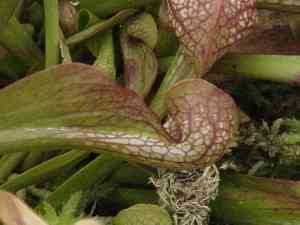
1
This distinct flora flourishes in impoverished soils, positioning it as an effortless garden inclusion.
2
It draws in and ensnares insects, serving as an organic method of pest management.
3
Parrot pitcherplant contributes to regional biodiversity by supplying shelter and sustenance for particular fauna.
Why Select Parrot Pitcherplant for Your Garden?
Effortless Beauty
A key reason gardeners favor Parrot pitcherplant is its capacity to flourish in impoverished soils. This positions it as an excellent choice for areas where other flora struggles. Its minimal soil demands mean less time and effort spent on fertilization, allowing more enjoyment of your garden.
Organic Pest Management
Parrot pitcherplant utilizes a distinct method of drawing in and ensnaring insects, which can be incredibly advantageous for reducing garden pests. The plant's specialized leaves entice unsuspecting insects into a trap, where they are digested to supply vital nutrients. This natural pest control approach lessens the need for chemical pesticides, fostering a healthier garden ecosystem.
How Does Parrot Pitcherplant Boost Biodiversity?
Supporting Specific Wildlife
Parrot pitcherplant plays a crucial role in bolstering local biodiversity by providing a unique home for specialized wildlife. This plant attracts a particular range of insects, which subsequently serve as sustenance for various birds and small mammals. Introducing Parrot pitcherplant into your garden can foster a more balanced and self-sustaining ecosystem.
Encouraging Pollination
While Parrot pitcherplant primarily captures insects for sustenance, it also draws in pollinators. These pollinators aid in the fertilization of other plants in your garden, leading to improved fruit and flower yields. By incorporating Parrot pitcherplant into your landscape, you indirectly support the health and development of surrounding plants.
What Are the Distinct Adaptive Traits of Parrot Pitcherplant?
Water Conservation
Parrot pitcherplant has evolved to flourish in wet and marshy conditions, making it highly efficient in water retention. Its ability to survive in high-moisture environments allows it to maintain hydration without frequent watering, helping you conserve water in your garden.
Nutrient Acquisition
In nutrient-deficient habitats, Parrot pitcherplant has developed to obtain nutrients through its insect-trapping mechanism. This adaptive feature ensures the plant's survival in challenging environments and showcases its resilience and resourcefulness. By including Parrot pitcherplant, you are choosing a plant that is self-sufficient and requires minimal external inputs.
How to Successfully Cultivate Parrot Pitcherplant?
Optimal Growing Conditions
Parrot pitcherplant thrives in sunny, humid environments with poor, acidic soil. When planting Parrot pitcherplant, ensure it is placed in an area that receives ample sunlight and maintains consistent moisture levels. Replicating its natural swamp-like habitat will give the plant the best chance of flourishing.
Care and Maintenance Advice
While Parrot pitcherplant is relatively low-maintenance, there are a few care tips to ensure its prosperity. Avoid using nutrient-rich soil or fertilizers, as these can harm the plant. Regularly check moisture levels and maintain a steady water supply. Prune any dead leaves to encourage new growth and keep the plant healthy.



