How to Propagate Parrot pitcherplant?
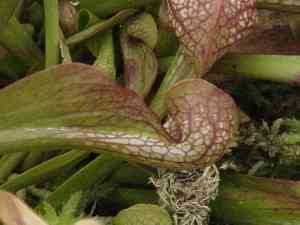
The Parrot pitcherplant flourishes when reproduced via separation, a technique that aligns with its inherent development cycles. For optimal results, cultivators ought to meticulously divide the rhizomes during the inactive phase when the plant's development ceases. This procedure encourages revitalization, resulting in vigorous expansion during the subsequent cultivation period. Employing sharp, sanitized implements is essential to prevent harm and the spread of pathogens. Following division, embed the segments in a porous, acidic growing medium characteristic of its indigenous environment.
What Is the Best Time To Propagate Parrot Pitcherplant?
Propagation Type
Separation
Propagation Season
Spring,Autumn
What Tools Are Used in Parrot Pitcherplant Propagation?
Sharp Knife or Scalpel
This instrument is vital for making clean cuts through the rhizomes of parrot pitcherplant. A keen blade ensures precise and neat incisions, minimizing harm to plant tissues. This helps lower infection risk and promotes faster healing and regrowth.
Gardening Gloves
When propagating parrot pitcherplant, it's important to shield your hands from potential irritants in the plant's soil or moisture. Gloves also offer a better grip on the plant and tools, reducing slips and accidental damage during propagation.
Sterilizing Solution (e.g., Isopropyl Alcohol)
Before making any cuts, it's essential to sanitize propagation tools to prevent introducing pathogens to parrot pitcherplant. A sterilizing solution ensures the propagation process begins in a clean, disease-free setting, thus supporting the plant's health.
Watering Can with Fine Rose
After propagation, parrot pitcherplant needs careful watering to ensure proper hydration without disturbing newly planted divisions. A watering can with a fine rose distributes water gently and evenly, mimicking a natural misting environment ideal for parrot pitcherplant's initial growth phases.
Peat Moss
As a specialized medium, peat moss is recommended for parrot pitcherplant due to its capacity to retain moisture while also providing good aeration to the roots. Proper medium selection is crucial for supporting new divisions until they establish a robust root system.
How to Propagate Parrot Pitcherplant?
Propagation Type
Simple
How to Care for Your Newly Propagated Parrot Pitcherplant?
How to Care for Your Newly Propagated Parrot Pitcherplant?
Post-propagation, it's critical to maintain high humidity and moisture levels, as parrot pitcherplant is a bog plant that thrives in wet conditions. Position pots in a partial sun area where they receive about 6 hours of light daily. Regularly refill the tray with distilled or rainwater to keep the soil consistently moist. Monitor for pests or diseases, treating promptly with safe pesticides if needed. As new plants grow, gradually acclimate them to more direct sunlight to encourage healthy pitcher development.
Common Mistakes to Avoid When Propagating Parrot Pitcherplant
Overwatering
Excessive watering can lead to saturated soil and root rot, negatively affecting parrot pitcherplant's overall health and reducing survival rates during propagation.
Using regular potting mix
Employing a standard potting mix does not replicate parrot pitcherplant's natural boggy environment, which can stress the plant and impede root development.
Neglecting humidity requirements
Failure to maintain high humidity can cause parrot pitcherplant to dry out, potentially killing delicate new growths and stunting development.
Over-exposure to sunlight
Parrot pitcherplant requires specific light conditions; too much direct sunlight can scorch leaves and restrict its growth, especially at a young stage.
Tips For Propagating Parrot Pitcherplant
Use appropriate soil medium
Utilize a blend of sphagnum peat moss and sand or perlite, which mimics parrot pitcherplant's natural substrate and supports robust root growth.
Maintain high humidity
Enclose propagating pots in plastic bags or use a humidity dome to ensure the moist environment essential for parrot pitcherplantâs growth.
Provide indirect sunlight
Place parrot pitcherplant in indirect or filtered sunlight to prevent leaf burn while supplying sufficient light for photosynthesis and growth.
Monitor water quality
Use rainwater or distilled water for irrigation, as tap water can contain minerals and chemicals detrimental to parrot pitcherplant.



