How Much Sunlight Do Chaparral currant Need?
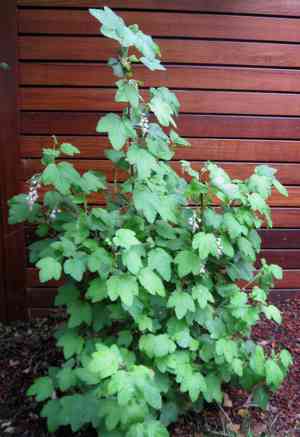
1
Chaparral currant flourishes in abundant sunlight, requiring over 6 hours of direct sun each day.
2
While it can endure some shade, peak development is achieved with plentiful light exposure.
3
Observe your plant for indications of insufficient light, like elongated stems or fewer flowers.
Understanding Light Requirements for Chaparral Currant
Optimal Light Conditions
The Chaparral currant thrives best in environments with abundant sunlight. Ideally, this plant requires full sun, meaning it needs at least six hours of direct sun exposure daily. This level of light promotes robust growth and encourages vibrant flowering, enhancing your garden's beauty.
Full Sun vs. Partial Shade
While full sun is preferred, the Chaparral currant can endure partial shade. However, in partial shade, growth may be less vigorous, and blooms might not be as plentiful compared to full sunlight. Partial shade implies the plant receives three to six hours of sunlight; it will survive but not flourish as it would in full sun.
Optimal Planting Sites for Chaparral Currant
Choosing the Right Garden Spot
Selecting an ideal garden location for the Chaparral currant is vital. Seek a spot that gets ample morning sun and some afternoon shade, especially in warmer climates, to prevent plant stress. South or west-facing positions often provide these conditions. Ensure the area has good air circulation to deter fungal issues.
Indoor vs. Outdoor Placement
Though primarily an outdoor plant, the Chaparral currant can be grown indoors if necessary. For indoor cultivation, position it near a south-facing window for maximum light. Supplemental grow lights may be needed to meet its daily light requirement of over six hours. Regularly check indoor humidity and dryness, and rotate the plant for even light distribution.
Indicators of Insufficient Sunlight for Chaparral Currant
Detecting Light Deficiency
Recognizing when your Chaparral currant lacks adequate sunlight is crucial for its health. Signs of insufficient light include leggy growth, characterized by elongated and sparse stems, fewer flowers, and pale or yellowish leaves. A general lack of vigor or slow growth rate can also be an indicator.
Solutions for Light Problems
If your Chaparral currant isn't receiving enough sunlight, several actions can be taken. First, consider moving the plant to a sunnier garden spot. If relocation isn't feasible, prune nearby plants or structures that block light. For indoor plants, utilize artificial grow lights to supplement natural light.
Seasonal Light Variations for Chaparral Currant
Adapting to Seasonal Changes
Different seasons bring varying light levels, necessitating adjustments in care for your Chaparral currant. During winter, the lower sun angle and shorter days can reduce light exposure. You might need to move it to a brighter spot or use reflective surfaces to maximize light.
Leveraging Seasonal Light Patterns
Utilizing seasonal light patterns can benefit your Chaparral currant. In spring and summer, ensure maximum exposure by placing it in the sunniest garden location. The natural increase in daylight during these seasons can significantly boost growth and flowering. In autumn, prepare to move it to locations that capture as much diminishing light as possible.



