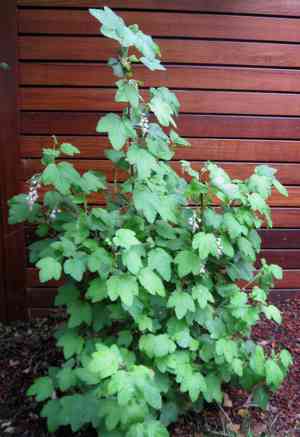
Chaparral currant(Ribes malvaceum)

Chaparral currant (Ribes malvaceum)

Also known as: Chaparral Currant, Pink Chaparral Currant

Chaparral currant (Ribes malvaceum), native to California and Baja California, is a valuable addition to gardens and landscapes. It serves as an attractive ornamental plant with its vibrant pink to red flowers, which bloom in late winter to early spring. This plant is particularly advantageous for drought-tolerant gardens, needing minimal water once established. Besides its aesthetic appeal, Chaparral currant is beneficial for wildlife, attracting pollinators like hummingbirds and native bees, and providing berries that birds enjoy. Its robust root system aids in soil stabilization, making it effective for erosion control. Additionally, as a native plant, it supports local ecosystems and biodiversity, requiring little maintenance overall.

Attributes of Chaparral currant

Lifespan
Perennial
Plant Type
Shrub
Plant Height
1.5 m
Spread
1.5 m
Leaf Color
Green
Flower Size
0.6-1 centimeters
Flower Color
Pink White Purple

ForwardPlant - Identify plants with a snap

Identify and diagnose plants, get toxicity alerts, and explore safety guides for all types of fungi.

Try for Free

Images of Chaparral currant

Chaparral currant(Ribes malvaceum)

Quickly Identify Chaparral currant

1
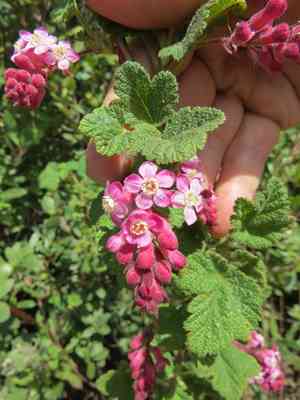
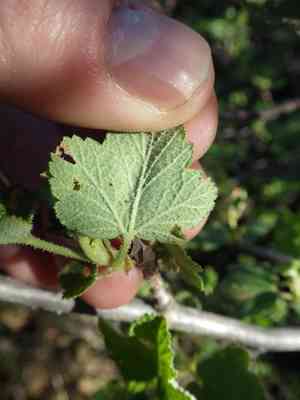
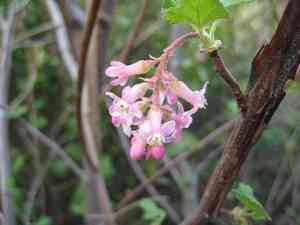
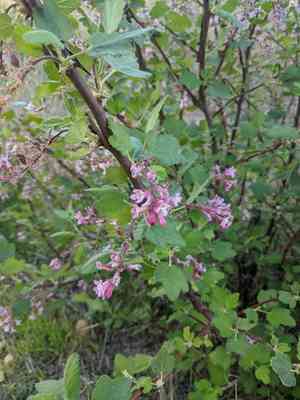
Ribes malvaceum can be identified by its lobed leaves with serrated edges, clusters of tubular pink flowers, and small berry-like fruits. The flowers are usually pink but can vary to a light rose color and are often found in leathery clusters.

Scientific Classification of Chaparral currant

Phylum
Vascular plants
Class
Dicotyledons
Order
Saxifragales
Family
Currant
Genus
Currants
Species
Chaparral currant

Planting and Growing of Chaparral currant

Care Difficulty
Easy
Watering Schedule
Every 2 days
Sunlight Requirements
Full sun
Sunshine Duration
6-10 hours
Ideal Temperature
60-75℉
Soil Type
Potting Mix, Peat Mix
Soil pH
6.5-7.5
Fertilizer Type
Balanced
Pruning Season
Spring, Summer
Pruning Area
Branches, Leaves
Pruning Frequency
2 times a year
Repotting Season
Spring
Pot Type
Plastic, Ceramic

water icon How to Water Chaparral currant?

Ribes malvaceum, also known as chaparral currant, requires a watering amount that ensures the soil is moist but not waterlogged. Typically, this would mean about 500 milliliters per watering session. It's essential to let the top layer of the soil dry out between waterings to prevent root rot while ensuring that water reaches the deeper roots.
What are the symptoms of an underwatered Chaparral currant? ›
What should I do if my Chaparral currant is not getting enough water? ›
What are the symptoms of an overwatered Chaparral currant? ›
How to save an overwatered Chaparral currant? ›

sunlight icon What Are the Sunlight Requirements for Chaparral currant?

Sunlight Requirements: Full sun, Partial sun
Duration of light: 4 to 6 hours
Ribes malvaceum thrives in full to partial sun, benefiting from 4 to 6 hours of sunlight daily. This balance fosters healthy growth, abundant flowering, and resilience to environmental stress.
How much sunlight does Ribes malvaceum need? ›
What happens if it doesn't get enough light? ›
How can we provide ideal lighting conditions? ›
More About Sunlight Requirements Techniques→

temperature icon What Is the Ideal Temperature Range for Chaparral currant?

Ideal Temperature: 60 ~ 75℉
The ideal temperature range for growing Ribes malvaceum is between 60°F and 75°F. This range allows for optimal photosynthesis and general plant health, ensuring robust growth and fruit production.

soil icon What Soil is Best for Chaparral currant?

Soil type: Loam, Sandy loam
Soil PH: 6.5 ~ 7.5
Ribes malvaceum thrives best in well-draining soil. This prevents waterlogging, which can cause root rot and hinder growth. Ensuring good drainage provides the roots with necessary oxygen, helping the plant to stay healthy and flourish. This plant benefits from soil rich in organic matter. Nutrient-rich soil supports vigorous growth and enhances the plant's ability to produce vibrant flowers and fruits, making it not just lush but also productive. While it doesn't require excessive watering, maintaining moderate soil moisture is beneficial. Balanced moisture supports sustained growth and prevents stress that could compromise the plant's vitality.

fertilize icon How to Fertilize Chaparral currant?

Fertilizer type: Balanced
Ribes malvaceum generally requires a moderate amount of fertilizer. When using liquid fertilizers, a dose of about 1 tablespoon per gallon of water is sufficient. For slow-release fertilizers, a handful around the base is adequate for each application.

prune icon How to Prune Chaparral currant?

Pruning Time: Spring, Summer
Ensure you have clean, sharp pruning shears. Always sterilize your tools before use to prevent the spread of disease. Look for branches that are dead, damaged, or showing signs of disease. These should be removed first to prevent any potential spread of pathogens and to encourage healthy growth. Focus on thinning crowded areas to promote air circulation within the plant, which reduces the likelihood of disease and allows sunlight to reach inner branches, fostering robust new growth. More About Pruning Techniques→

propagate icon How to Propagate Chaparral currant plant?

Propagate Time: Spring, Early summer, Late winter
1
Collect seeds from a mature Ribes malvaceum fruit. Make sure the seeds are ripe and dry before storage, allowing for better germination rates.
2
Select healthy, non-flowering stems for cuttings. Cut a 4-6 inch section, ensuring there are several nodes on each cutting for root growth.
3
For layering, select a low-lying branch, and bend it to the ground. Bury part of the stem with soil and secure it in place, encouraging roots to develop over time.
More About Propagating Techniques→

repot icon How to Repot Chaparral currant plant?

Repotting frequency: Annually or biennially
1
Ribes malvaceum indicates it's time for repotting when you notice roots emerging from the drainage holes or a significant decrease in growth rate. It's also evident when the soil no longer retains moisture properly. Ideally, aim to repot during the early spring or autumn, whent he plant is less active and can easily recover from root disturbance, making the process less stressful for the plant.
2
Choose a pot with good drainage, slightly larger than the current one to allow room for root growth. Clay pots are ideal for plants needing drier conditions as they allow excess moisture to evaporate, reducing the risk of root rot. The added weight of a clay pot can also provide stability for the plant.
3
Opt for a well-draining soil mix rich in organic matter. A balanced mix of potting soil, perlite, and compost provides the necessary nutrients and drainage for Ribes malvaceum. This soil mimics the plant's natural environment, ensuring robust growth and healthy root development.

ForwardPlant - Identify plants with a snap

Find the best spots for them to optimize their health, simply using your phone.

Try for Free