The Chaparral currant Plant Advantage: Maximizing Home and Office Appeal and Wellness
1
The Chaparral currant is a local shrub offering continuous aesthetic appeal.
2
This species draws in beneficial insects like bees and hummingbirds.
3
Being tolerant of dry conditions and requiring minimal care, the Chaparral currant is ideal for eco-friendly garden designs.
What Makes Chaparral Currant Unique?
Visual Appeal
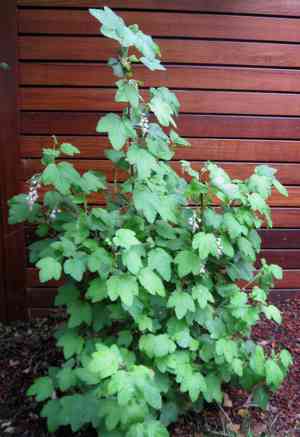
Chaparral currant isn't merely a functional plant; it's also remarkably beautiful. Its abundant leaves and delicate blossoms can brighten any garden, creating a stunning visual impact. The plant produces clusters of pink or white flowers that bloom from late winter to early spring, adding a burst of color during an otherwise drab season.
Versatility and Resilience
Chaparral currant is incredibly flexible regarding various soil types and environmental conditions, making it a robust choice for gardeners. Its capacity to flourish in poor soil and endure seasonal dry spells makes it an excellent option for sustainable gardening. Whether planted in full sun or partial shade, Chaparral currant proves to be very forgiving, requiring minimal care once established.
Ecological Advantages
Supports Pollinators
One of the prominent features of Chaparral currant is its ability to attract a diverse range of pollinators. Bees, butterflies, and even hummingbirds are drawn to its nectar-rich flowers, making it a crucial addition for those aiming to boost local biodiversity. Pollinators play a vital role in the ecosystem, and by planting Chaparral currant, you contribute to their survival and the overall health of your garden.
Erosion Control
Chaparral currant is also valued for its capacity to prevent soil erosion. The plant's extensive root system helps to anchor the soil, making it an ideal choice for slopes and other areas prone to erosion. This not only stabilizes the soil but also contributes to improved water quality by reducing runoff and sedimentation in nearby water bodies.
Economic and Practical Benefits
Cost-Effective Gardening
Given its drought tolerance and minimal upkeep needs, Chaparral currant offers a cost-effective solution for gardeners. Once established, it requires little to no watering, significantly reducing water consumption and utility bills. Its natural resilience means fewer resources spent on fertilizers and pest control, further decreasing gardening costs.
Versatility in Use
Chaparral currant can be incorporated into various landscape designs, from informal cottage gardens to structured formal settings. Its adaptability makes it a versatile plant suitable for hedges, borders, and even container gardening. Moreover, its aromatic foliage can be used in natural crafts such as wreaths and potpourris, adding another layer of utility to its many functions.
How to Integrate Chaparral Currant into Your Garden
Selecting the Optimal Location
When planting Chaparral currant, consider spots that receive full sun to partial shade. Although adaptable, the plant will thrive best in areas that provide good air circulation and well-drained soil. Avoid overly shaded locations, as they may hinder flowering and overall growth.
Planting and Maintenance Advice
Begin by enriching the soil with organic matter to create a nutrient-rich environment. Dig a hole twice the width of the root ball and position the plant, backfilling with soil and watering thoroughly. Mulching around the base can help retain moisture and suppress weeds. While Chaparral currant is low-maintenance, occasional pruning will promote healthier growth and enhance its shape.
Boosting Biodiversity with Chaparral Currant
Native Plant Advantages
As a native species, Chaparral currant is better suited to the local environment compared to non-native plants. This means it is more resistant to local pests and diseases, reducing the need for chemical interventions. Additionally, native plants like Chaparral currant support local wildlife, offering food and habitat for various species.
Creating a Pollinator-Friendly Garden
To maximize the impact of Chaparral currant on your local ecosystem, consider planting it alongside other native species that bloom at different times of the year. This will provide a continuous food source for pollinators. Adding a water feature or birdbath can also make your garden more inviting for various beneficial insects and birds.



