How Much Sunlight Do Mexican plum Need?
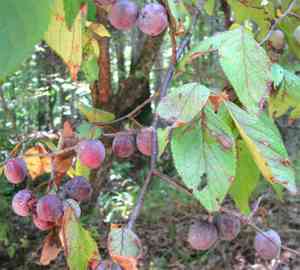
1
Mexican plum flourishes optimally with ample sunlight, requiring over six hours of direct sun each day.
2
Insufficient light exposure may result in diminished fruit yield for Mexican plum.
3
While Mexican plum can endure a degree of partial shade, complete sun exposure is most favorable.
Optimal Light Conditions for Mexican Plum
Ideal Sun Exposure
For the Mexican plum to thrive, it's crucial to provide abundant sunlight. This tree flourishes in full sun, meaning it should receive over 6 hours of direct sunlight daily. Positioning your Mexican plum where it can absorb morning sun promotes vigorous growth and fruit development. If feasible, opt for a south-facing spot to maximize light exposure.
Daily Light Requirements
A Mexican plum requires consistent sunlight for a plentiful harvest. Aim for a minimum of 6 to 8 hours of direct sun each day. Insufficient light can lead to weaker branches and diminished fruit quality. Utilizing a sun tracker or simply observing garden sun patterns can aid in selecting the perfect location.
Sunlight Variation Throughout the Year
The amount of sunlight your Mexican plum receives fluctuates with the seasons. During summer, the tree may get intense, prolonged sunlight, which is excellent for development. However, in winter, sunlight is less intense and shorter in duration. It's vital to monitor these shifts and ensure the tree still gets its necessary light, especially during its growth and fruiting phases.
Impacts of Insufficient Light on Mexican Plum
Indicators of Overexposure
While Mexican plum benefits from full sun, extreme heat and strong afternoon sunlight can cause overexposure. Signs include leaf scorch and sunburn, appearing as brown, crisp edges on the leaves. Providing some afternoon shade in particularly hot climates can help prevent these issues.
Symptoms of Inadequate Sunlight
Insufficient sunlight can severely affect a Mexican plum's health and yield. If your tree isn't getting enough light, you might observe sparse foliage, elongated growth, and poor fruit development. The leaves may appear dull and yellowish, indicating the tree's difficulty in efficient photosynthesis.
Tips for Managing Sunlight for Mexican Plum
Optimal Planting Locations
When planting a Mexican plum, choose a site that receives ample sunlight throughout the day. Ideal spots include south-facing gardens or open areas free from the shade of buildings or larger trees. This ensures the tree gets consistent light, fostering healthy growth.
Utilizing Shade and Light Structures
In regions with extreme sun intensity or heatwaves, employing shade structures like shade cloths can shield your Mexican plum from potential sun damage. These structures help diffuse sunlight, preventing leaf scorch while still allowing sufficient light for photosynthesis.
Seasonal Adjustments
As seasons change, so do the sun's position and intensity. In summer, ensure your Mexican plum receives its required hours of light, possibly offering some afternoon shade during peak heat. Conversely, in winter, trim any nearby plants or structures that might cast long shadows, ensuring the tree gets maximum sunlight.
Frequently Asked Questions About Mexican Plum Sunlight
Can Mexican Plum Grow in Partial Shade?
Yes, Mexican plum can endure partial shade, but it won't perform as well as in full sun. While it may survive, growth might be slower, and fruit yield could be significantly reduced. For optimal results, ensure the tree gets at least morning sunlight.
How Does Sunlight Affect Mexican Plum Fruit Production?
Sunlight directly influences the quantity and quality of fruit produced by a Mexican plum. Adequate sunlight is vital for photosynthesis, which drives growth and fruiting. Insufficient sunlight can lead to fewer fruits that are smaller and less flavorful.
Should I Relocate My Mexican Plum During Extreme Weather?
If your Mexican plum is in a pot, you can move it to protect it from extreme weather, such as intense heat or frost. For garden-planted trees, focus on providing sufficient water during heatwaves and consider using protective measures like frost blankets during cold periods.



