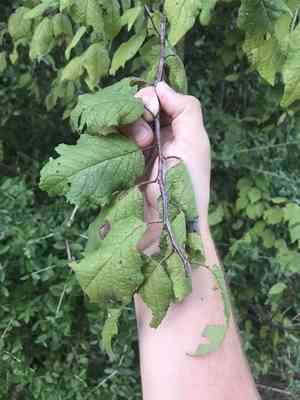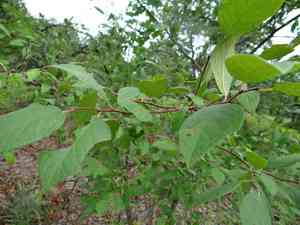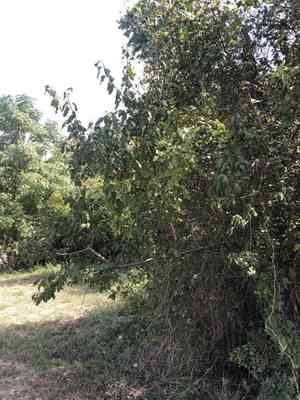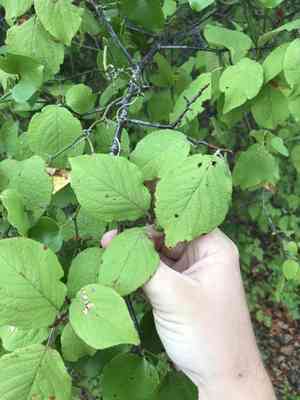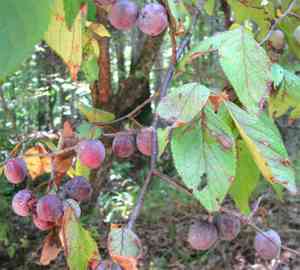
Mexican plum(Prunus mexicana)

Mexican plum (Prunus mexicana)

Also known as: Fall plum

A Mexican plum tree typically grows between 4.5 and 12 meters tall. In the spring, it showcases fragrant white or pale pink flowers, which later develop into dark red or purple fruits in the fall. While the fruit is edible, its taste can vary significantly depending on the growing conditions.

Attributes of Mexican plum

Lifespan
Perennial
Plant Type
Tree
Plant Height
4.5 m to 8 m
Spread
6 m to 8 m
Leaf Color
Green Yellow
Flower Size
2.5 cm
Flower Color
White

ForwardPlant - Identify plants with a snap

Identify and diagnose plants, get toxicity alerts, and explore safety guides for all types of fungi.

Try for Free

Images of Mexican plum

Mexican plum(Prunus mexicana)

Quickly Identify Mexican plum

1
To identify Prunus mexicana, look for its medium-sized tree form, singular trunk often with dark, furrowed bark, white to pale pink flowers in early spring, and plum-like edible fruits in late summer.

Scientific Classification of Mexican plum

Phylum
Vascular plants
Class
Dicotyledons
Order
Rosales
Family
Rose
Genus
Prunus
Species
Mexican plum

Planting and Growing of Mexican plum

Care Difficulty
Easy
Watering Schedule
Every 2 days
Sunlight Requirements
Full sun
Sunshine Duration
6-10 hours
Ideal Temperature
60-75℉
Soil Type
Potting Mix, Peat Mix
Soil pH
6.5-7.5
Fertilizer Type
Balanced
Pruning Season
Spring, Summer
Pruning Area
Branches, Leaves
Pruning Frequency
2 times a year
Repotting Season
Spring
Pot Type
Plastic, Terracotta

water icon How to Water Mexican plum?

For Prunus mexicana, the rule of thumb is to water until the soil feels evenly moist but not soggy. This typically requires around 1000 milliliters of water per session, depending on soil drainage and environmental factors. It's vital to ensure the roots receive adequate moisture without allowing the plant to stand in water, which can lead to root rot.
What are the symptoms of an underwatered Mexican plum? ›
What should I do if my Mexican plum is not getting enough water? ›
What are the symptoms of an overwatered Mexican plum? ›
How to save an overwatered Mexican plum? ›

sunlight icon What Are the Sunlight Requirements for Mexican plum?

Sunlight Requirements: Full sun, Partial sun
Duration of light: 6 to 8 hours daily
Full sun or partial sun exposure is preferred. With ample sunlight, Prunus mexicana can fully develop its flowering potential, maintain robust health, and display vibrant foliage colors.
What is the best light condition for Prunus mexicana? ›
What are some solutions to achieve ideal lighting for Prunus mexicana? ›
What benefits does Prunus mexicana gain from the ideal lighting? ›
More About Sunlight Requirements Techniques→

temperature icon What Is the Ideal Temperature Range for Mexican plum?

Ideal Temperature: 60 ~ 75℉
The ideal temperature range for Prunus mexicana, commonly known as the Mexican plum, is between 60°F and 75°F. These conditions mimic the plant's natural habitat, allowing optimal growth and fruit production. In this range, the plant can synthesize nutrients effectively and maintain balanced metabolic activity, ensuring healthy development.

soil icon What Soil is Best for Mexican plum?

Soil type: Loam, Sandy loam, Clay soil
Soil PH: 6.5 ~ 7.5
Prunus mexicana thrives in moisture-retentive soil, which helps the roots absorb nutrients efficiently. Loamy soil provides the ideal balance for holding moisture without becoming waterlogged, ensuring healthy plant growth. Rich, nutrient-dense soil is crucial for Prunus mexicana, allowing the plant to access essential minerals. Loamy soil is naturally fertile, making it suitable for delivering nutrients to your tree consistently. Well-drained soil is vital to prevent root rot in Prunus mexicana. Sandy loam offers excellent drainage, ensuring that excess water doesn't suffocate the roots while maintaining necessary moisture levels.

fertilize icon How to Fertilize Mexican plum?

Fertilizer type: Balanced
For Prunus mexicana, it is essential to apply fertilizers moderately. Each application should be about two tablespoons of balanced granular fertilizer per inch of trunk diameter for trees, ensuring not to exceed the plant's need to avoid nutrient burn.

prune icon How to Prune Mexican plum?

Pruning Time: Winter
Begin by identifying any dead, damaged, or diseased branches to remove. Also, look for any branches that cross or rub against each other as they can cause wounds. Make your cuts at a 45-degree angle to help the tree heal easily and ensure that water runs off the cut area without causing rot. Position the cuts just above a bud or branch junction. Keep the tree open and balanced. Remove any inward-growing branches to maintain a good airflow through the canopy, which helps prevent fungal infections and promotes even growth. More About Pruning Techniques→

propagate icon How to Propagate Mexican plum plant?

Propagate Time: Spring, Early spring
1
Collect seeds from a mature Prunus mexicana fruit. Ensure the fruit is ripe and the seeds are mature to increase germination success.
2
Select healthy, non-flowering stems and cut sections about 6 inches long. Make a clean cut just below a node to encourage rooting.
3
For grafting, select a healthy rootstock and compatible scion. Carefully align them and secure with grafting tape to promote fusion.
More About Propagating Techniques→

repot icon How to Repot Mexican plum plant?

Repotting frequency: Every 2-3 years
1
Look for signs that Prunus mexicana needs repotting: roots coming out of drainage holes, slow growth, or soil degradation. The best time to repot is in early spring, so the plant can recover during its growing season.
2
Select a pot that's one size larger than its current one, with good drainage to prevent waterlogging. This ensures ample space for root expansion and stabilizes the plant as it grows, reducing the risk of root rot.
3
Opt for a well-draining potting mix rich in organic material. This ensures that the roots receive enough air and nutrients, providing a balance between moisture retention and aeration essential for healthy plant growth.

ForwardPlant - Identify plants with a snap

Find the best spots for them to optimize their health, simply using your phone.

Try for Free

Toxicity of Mexican plum

Is Mexican plum toxic to humans?

The Mexican plum, similar to nearly all species within the *Prunus* genus, contains cyanogenic compounds throughout its entire structure, including its seeds, with the exception solely being its fruit. When a person consumes the seeds, leaves, or any other portion of the plant apart from the edible fruit, these cyanotoxins will react with stomach acid to transform into cyanide gas. This gas can penetrate through mucous membranes and lead to poisoning. The symptoms can escalate from feelings of agitation to pronounced weakness, a lack of coordination accompanied by muscle spasms, challenges in movement or speech, decreased respiratory and heart rates, ultimately culminating in death.

Identify toxic plants for your safety

Learn which plants are harmful to you and your pets, and make informed choices for a safer home!

Try for Free
WARNING
The judgment on toxicity and danger is for reference only. We DO NOT GUARANTEE any accuracy of such judgment. Therefore, you SHALL NOT rely on such judgment. It is IMPORTANT TO SEEK PROFESSIONAL ADVICE in advance when necessary.
More About Toxic Techniques→