How to Overwinter Mexican plum
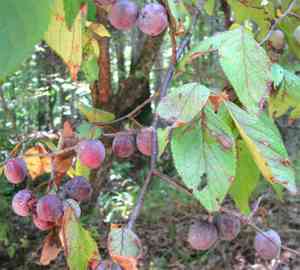
1
Mexican plum trees are resilient and can endure cold winters if cared for correctly.
2
Applying mulch is crucial for safeguarding roots against freezing conditions.
3
Frequent checks throughout winter aid in early detection and resolution of problems, preserving your tree's well-being.
What is Mexican plum Overwintering?
What is Mexican plum Overwintering?
Overwintering Mexican plum refers to the methods used to help this hardy tree survive the harsh conditions of winter. Although the Mexican plum (Prunus mexicana) is robust and can withstand cold climates, it still benefits from some extra care. Overwintering includes steps such as pruning, mulching, and adjusting watering schedules to protect the tree from frost damage, pests, and other winter-specific challenges. By preparing your Mexican plum tree correctly, you can ensure it remains healthy and ready to thrive come spring.
Preparing Mexican plum for Winter
Pruning and Cleaning
Start by trimming off any dead or diseased branches. This helps prevent the spread of disease and pests, which are more challenging to manage during winter. Using sterilized pruning shears, remove these branches, cutting just above a healthy bud. Clear away any fallen leaves, fruit, and debris around the base to discourage pests and diseases from settling in, as these can be vectors for issues during the cold months.
Mulching for Protection
Apply a thick layer of mulch (about 7-10 cm or 3-4 inches) around the base of the tree. This mulch acts as an insulating blanket, keeping the roots warm and preventing the soil from freezing. Use materials like straw, wood chips, or shredded leaves. Make sure the mulch doesn't touch the trunk directly to avoid moisture accumulation, which can cause rot.
Watering Schedule Adjustment
As winter approaches, gradually reduce the amount of water you provide. Water the tree deeply but less frequently to encourage the roots to delve deeper into the soil, which helps the tree access moisture during dormant periods. Ensure the soil is moist but not waterlogged to prevent root rot. A final deep watering before the ground freezes is beneficial.
Common Challenges in Overwintering Mexican plum
Pests and Diseases
During winter, certain pests like voles and rabbits may gnaw on the bark for sustenance. Protect your tree by wrapping the trunk with a tree guard or wire mesh. Additionally, inspect for fungal diseases that can thrive in the damp conditions beneath the snow. Fungicidal sprays applied in late autumn can prevent these issues.
Frost Damage
Frost cracks can occur when temperature fluctuations cause the bark to expand and contract rapidly. These cracks can be entry points for pests and diseases. Using tree wraps or painting the trunk white can help reflect sunlight and moderate temperature changes, reducing the risk of frost damage.
Monitoring Mexican plum Through Winter
Regular Inspections
Regularly check your Mexican plum tree throughout the winter. Look for signs of animal damage, disease, or other issues. Pay special attention after storms or significant temperature changes. These inspections allow you to catch problems early before they become severe.
Signs of Distress and Remediation
Watch for signs of distress, such as wilting, unusual bark discoloration, or mold. If you notice any of these signs, take action immediately. For instance, frost cracks can be treated with tree wound sealant, and fungal infections might require fungicidal sprays. Addressing these issues promptly ensures your tree stays healthy until spring.



