How Much Sunlight Do Sea daffodil Need?
1
Sea daffodil flourishes optimally in full sun, requiring a minimum of 6 hours of direct sunlight each day.
2
Moderation is crucial: Excessive sun exposure may lead to scorching, whereas insufficient light can impede development and flowering.
3
Account for seasonal and regional differences to fine-tune light conditions for your Sea daffodil.
The Importance of Sunlight for Sea Daffodil
Photosynthesis and Plant Development
Sunlight is the essential element powering photosynthesis, the process plants use to create their sustenance. For the Sea daffodil, consistent, sufficient sunlight guarantees not only vigorous growth but also the formation of vibrant, healthy foliage. Without enough light, photosynthesis slows, resulting in weaker, leggy plants lacking vitality.
Effect on Blooming and Flowers
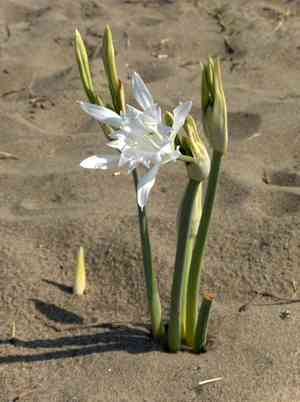
The allure of the Sea daffodil stems from its magnificent white blossoms, directly influenced by sunlight. Adequate sunlight initiates the flowering cycle, boosting both the quantity and quality of the blooms. If your Sea daffodil lacks sufficient light, you might observe fewer flowers, or the blossoms may appear less vivid.
Physiological Health and Disease Resistance
A steady provision of sunlight also strengthens the Sea daffodil's physiological well-being. Proper light exposure fortifies the plant's overall system, making it more resilient to diseases and environmental stressors. Sunlight aids in maintaining a robust immune barrier, decreasing the likelihood of fungal infections and other ailments.
Ideal Sunlight Conditions for Sea Daffodil
Full Sun vs. Partial Sun
For peak development, Sea daffodils prefer full sun, meaning they should receive at least 6 hours of direct sunlight daily. In locations where constant full sun isn't practical, partial sun can still be a viable option. Aim for a minimum of 4-6 hours of sunlight, ensuring the plant gets the brightest light possible during the day to support its growth requirements.
Seasonal Light Fluctuations
The amount of sunlight your Sea daffodil requires can vary with the seasons. In summer, they might thrive with early morning and late afternoon sun to avoid harsh midday rays. During colder months, positioning your plant in the brightest available spot will help compensate for shorter daylight periods.
Regional Considerations
Climate and geographical location significantly impact the amount of sunlight your Sea daffodil needs. In areas with very intense sunlight, providing some afternoon shade can prevent scorching. Conversely, in places with frequent cloudy skies, maximizing any available sunlight becomes crucial. Understanding your local climate will help you make optimal decisions for your plant.
Ensuring Adequate Sunlight for Indoor Sea Daffodils
Selecting the Right Window
For indoor Sea daffodils, place them near a south-facing window to ensure they receive ample sunlight throughout the day. If a south-facing window isn't an option, an east- or west-facing window can also provide the necessary light, though for a shorter duration.
Utilizing Grow Lights
If natural sunlight is insufficient, especially in winter, employing grow lights is an excellent alternative. Full-spectrum LED grow lights can mimic natural sunlight and provide your Sea daffodil with the light it needs to flourish indoors. Aim to keep the grow light on for approximately 12-14 hours daily to compensate for the lack of natural light.
Rotating the Plant
To promote uniform growth, make it a habit to rotate your Sea daffodil every few days. This practice helps all parts of the plant receive equal light exposure and prevents the plant from leaning towards the light source, maintaining a balanced and appealing form.
Protecting Sea Daffodil from Excessive Sunlight
Recognizing Sunburn Symptoms
Too much direct sunlight can cause sunburn on your Sea daffodil. Look for indicators such as brown, crispy leaf edges or bleached spots. These signs suggest the plant is receiving overly intense light and requires some relief.
Providing Shade and Protection
If you observe sunburn, consider offering shade during peak sunlight hours, particularly in the afternoon. Use sheer curtains or strategically place other plants to diffuse the light. Alternatively, move your Sea daffodil to a location where it only receives morning sun, which is less intense.
Watering Needs Under Strong Sun
Intense sunlight can accelerate the water evaporation rate, making your Sea daffodil thirstier than usual. Ensure you check soil moisture regularly and water the plant more frequently to keep the soil consistently moist but not waterlogged. Proper watering under strong sun helps the plant cope better with the increased light.



