The Sea daffodil Plant Advantage: Maximizing Home and Office Appeal and Wellness
1
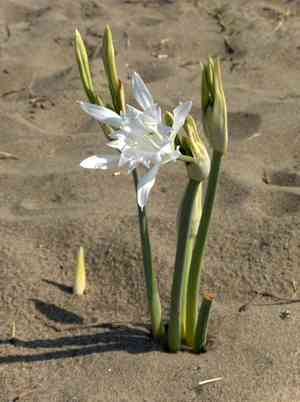
The sea daffodil is recognized for its capacity to secure coastal sand formations.
2
This hardy flora flourishes in salty conditions, rendering it ideal for beachfront landscapes.
3
Sea daffodil possesses considerable cultural and environmental value in areas bordering the Mediterranean Sea.
How Does Sea daffodil Benefit Coastal Ecosystems?
Stabilizes Sand Dunes
Sea daffodil plays a vital role in preserving shore ecosystems by stabilizing sand dunes. Its strong root system binds loose sand, preventing erosion and safeguarding the coastline from the encroaching sea. This natural defense mechanism helps maintain beaches and provides a habitat for various wildlife.
Supports Biodiversity
Beyond stabilizing sand dunes, Sea daffodil fosters a diverse array of plant and animal life. Its presence creates a unique micro-ecosystem where different plant species can flourish. The flowers of Sea daffodil attract various pollinators, including bees and butterflies, crucial for maintaining biodiversity. This plant's ability to provide a home for other organisms highlights its importance in coastal ecosystems.
Why is Sea daffodil Perfect for Seaside Gardens?
Tolerates Saline Conditions
A key feature of Sea daffodil is its capacity to thrive in salty environments. Coastal gardens often face high salt levels, which can harm many plants. However, Sea daffodil's resistance to salt makes it an ideal addition to such gardens, ensuring they remain lush and vibrant throughout the year.
Low Maintenance
Sea daffodil is a resilient plant that requires minimal upkeep, making it an excellent choice for those seeking a low-maintenance garden. Its ability to endure harsh conditions means it doesn't need frequent watering or fertilizing. This ease of care allows gardeners to enjoy its beauty without the constant attention typically associated with other plants.
What is the Cultural Significance of Sea daffodil?
Historical Uses
Historically, Sea daffodil has been valued for its symbolic meanings and applications. In many Mediterranean cultures, it is seen as a symbol of purity and beauty. It is often featured in art, literature, and folklore, reflecting its deep-rooted cultural importance.
Ecotourism Attraction
Beyond its historical uses, Sea daffodil also serves as an ecotourism draw. The sight of its delicate white flowers against the backdrop of blue seas attracts nature enthusiasts. This not only promotes environmental awareness but also boosts local economies through tourism.
How Does Sea daffodil Contribute to Soil Health?
Improves Soil Stability
The extensive root system of Sea daffodil not only stabilizes sand dunes but also enhances overall soil stability. By binding soil particles, it reduces the risk of landslides and soil erosion, ensuring a more stable foundation for other plant species to grow.
Enhances Soil Nutrient Content
Over time, the roots and decaying matter of Sea daffodil enrich the soil with organic material. This process naturally boosts the nutrient content of the soil, fostering healthier and more fertile conditions for surrounding vegetation.



