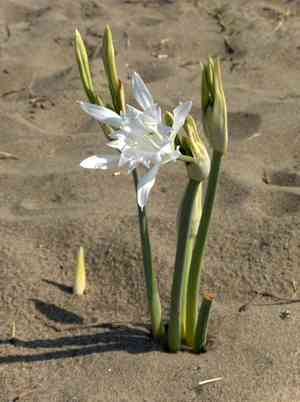
Sea daffodil (Pancratium maritimum)
Also known as: Sea Daffodil, Sand Lily
The sea daffodil (Pancratium maritimum) is a bulbous perennial that naturally inhabits coastal regions, such as the Canary Islands, the Mediterranean, and areas near the Black Sea. It typically grows in sandy soils and dunes along beaches. For optimal growth, it needs:
1. **Abundant Sunlight:** Essential for healthy development.
2. **Sandy, Well-Drained Soil:** Crucial for preventing waterlogging.
3. **Mild Climate:** Prefers mild winters with minimal frost.
4. **Dry Periods:** Requires dry conditions during dormancy.
5. **Salt Tolerance:** Adapted to saline environments common in coastal areas.
This plant is often utilized in ornamental gardening due to its striking appearance.
Attributes of Sea daffodil
Images of Sea daffodil
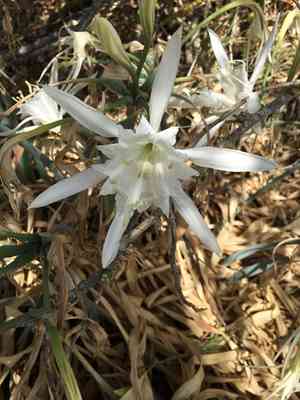
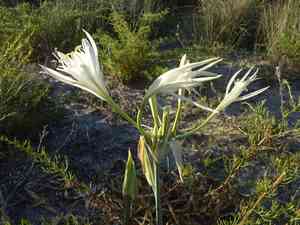
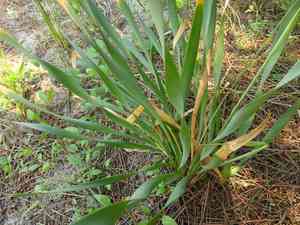
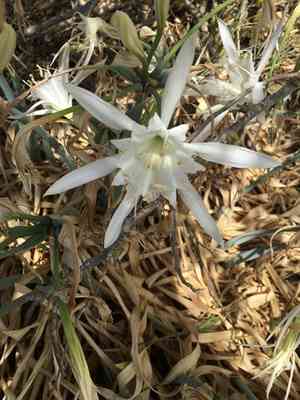
Quickly Identify Sea daffodil
Scientific Classification of Sea daffodil
Planting and Growing of Sea daffodil
 How to Water Sea daffodil?
 What Are the Sunlight Requirements for Sea daffodil?
 What Is the Ideal Temperature Range for Sea daffodil?
 What Soil is Best for Sea daffodil?
 How to Fertilize Sea daffodil?
 How to Prune Sea daffodil?
 How to Propagate Sea daffodil plant?
 How to Repot Sea daffodil plant?
Toxicity of Sea daffodil
Is Sea daffodil toxic to humans?
The sea daffodil presents a considerable hazard of extreme toxicity to humans if consumed. The bulb of the sea daffodil is the toxic component responsible for poisonings. Upon ingestion, affected individuals may suffer from a variety of severe symptoms, which can involve intense gastrointestinal disturbances, such as severe vomiting and diarrhea, which may ultimately result in dehydration. Neurological effects could also appear, such as tremors, confusion, and in severe cases, seizures. Given its high level of toxicity, it is crucial to prevent accidental ingestion of the bulb, as it can lead to serious health consequences. It is essential for the public to recognize the dangers associated with sea daffodil and to take precautions to avoid unintentional poisoning.
Is Sea daffodil toxic to cat?
The sea daffodil poses a significant toxicity threat to cats, particularly due to its bulb, which is the hazardous portion that can induce poisoning if ingested inadvertently. Should a cat ingest any part of the sea daffodil, it may suffer from severe physical pain and illness, signaling a critical health concern that demands immediate intervention. These symptoms can be life-threatening, often requiring swift veterinary assistance. If your cat shows any signs of distress or behavioral changes after exposure to the plant, it is essential to seek prompt treatment at a veterinary facility to avoid further complications.
Is Sea daffodil toxic to dog?
The sea daffodil plant species presents a significant toxicity hazard for dogs. These canines may inadvertently consume various parts of this plant, especially the bulb, which is recognized for its harmful effects. When a dog ingests any portion of the bulb, it can result in serious health issues. Poisoning symptoms from the sea daffodil can occur in multiple forms, including vomiting, diarrhea, abdominal distress, lethargy, and more severe reactions like tremors or seizures. It is essential for dog owners to remain watchful and keep their pets away from areas where sea daffodil is present. Should a dog ingest this plant, it is vital to seek immediate veterinary assistance to effectively address the poisoning.



