How to Prune Sea daffodil?
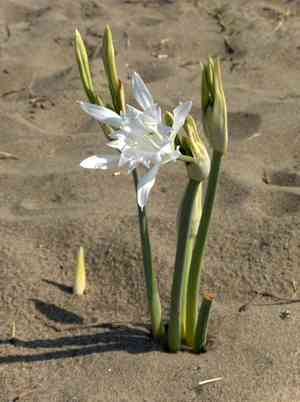
Recognized for its aromatic, prominent blossoms and tolerance of seaside environments, the sea daffodil thrives with light trimming to eliminate faded blooms and withered leaves. This trimming should occur post-flowering in the summer to stimulate subsequent flowering and preserve its aesthetic. Deadheading, which involves detaching spent flower heads, is especially advantageous for encouraging additional blossoms. Cut back the foliage in autumn to neaten the plant prior to its winter rest. Refrain from extensive pruning, as this may diminish the floral display in the subsequent year.
Advantages of Trimming Sea Daffodil
Advantages of Trimming Sea Daffodil
Trimming sea daffodil promotes robust development and preserves its desired form. Strategic cuts stimulate fresh, healthy shoots and help control sea daffodil's size, enhancing its coastal appeal.
Optimal Period for Pruning Sea Daffodil
Optimal Period for Pruning Sea Daffodil
The ideal time for pruning sea daffodil is late spring to early summer, once flowering has concluded. This timing aligns with the plant's natural dormant phase, allowing it to conserve energy before its active growth season. Pruning during this window helps maintain sea daffodil's shape, encourages new growth, and prevents the removal of newly formed buds, which could reduce subsequent flowering. Avoid pruning in late summer or fall, as new growth may not adequately harden off before colder temperatures, potentially damaging sea daffodil.
Necessary Tools for Pruning Sea Daffodil
Bypass Pruners
Perfect for making clean cuts on sea daffodil's foliage without crushing stems, ensuring minimal plant harm.
Garden Scissors
Suitable for snipping off faded blooms and delicate tasks, offering precision for deadheading or thinning sea daffodil.
Pruning Shears
Useful for shaping sea daffodil or cutting back foliage at the end of the growing season to maintain plant vitality.
Gloves
Protect the gardener's hands from sea daffodil's sap and any sharp edges during pruning.
How to Prune Sea Daffodil
Clean tools
Before beginning the pruning process for sea daffodil, ensure all pruning implements, such as scissors or secateurs, are clean and sterilized to prevent disease transmission.
Identify areas
Examine sea daffodil closely to pinpoint any diseased, withered, dead, or unhealthy branches that need removal. Utilize the 'Trim_parts' input to focus on specific areas of concern.
Cut diseased leaves
Carefully remove diseased and withered leaves from sea daffodil, making clean cuts near the base of the leaf stem to avoid leaving unnecessary stubs that could attract pests or disease.
Remove dead branches
For dead or diseased branches of sea daffodil, use pruning shears to cut at a slight angle, approximately 1/2 inch above a healthy part of the branch or a bud to encourage healthy regrowth and maintain proper plant form.
Cleanup
After pruning sea daffodil, properly dispose of all removed plant material to prevent the spread of any potential diseases. Clean the work area and sterilize the tools once more.
Common Pruning Errors with Sea Daffodil
Excessive Pruning
Removing too much foliage from sea daffodil can weaken the plant, hinder its ability to photosynthesize, and increase its susceptibility to diseases and pests.
Incorrect cutting technique
Using dull or dirty tools can result in ragged cuts and elevate the risk of infection. Clean, sharp tools are essential for making precise cuts that heal quickly.
Pruning at the wrong time
While the optimal pruning season is not requested, it's important to note that pruning at an inappropriate time in the plant's life cycle can disrupt its growth or flowering stages.
No pruning at all
Failing to remove dead or damaged foliage from sea daffodil can impede the plant's growth and aesthetic appeal, and potentially lead to disease.
Cutting too close or far from the base
Pruning too close can harm the base of sea daffodil, while cutting too far can leave unsightly stubs that heal poorly and can attract pests.
General Pruning Advice for Sea Daffodil
Sterilize pruning tools
Before pruning sea daffodil, always sterilize your tools to prevent disease spread. Wipe them with alcohol or a bleach solution between cuts, especially when dealing with diseased material.
Prune dead or damaged foliage
Regularly remove dead or damaged leaves to maintain sea daffodil's health and appearance. Make cuts at a slight angle and in a location that promotes healing and minimizes water retention.
Encourage flowering
To promote abundant flowering in sea daffodil, trim off spent flower stalks close to the base after blooming. However, be careful not to cut into the bulb.
Maintain plant shape
Prune sea daffodil to preserve its natural form and enhance air circulation. This can help prevent fungal infections caused by excessive moisture.
Sharp cutting technique
Employ a sharp and precise cutting technique to ensure clean cuts that heal well, reducing the chance of disease and promoting quicker recovery for sea daffodil.



