How Much Sunlight Do Yellow puff Need?
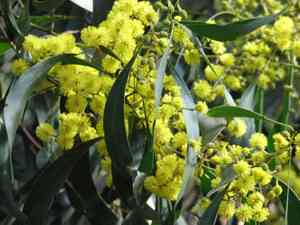
1
Yellow puff flourishes optimally with over 6 hours of direct sun exposure each day.
2
Some shade is acceptable, but it might hinder the Yellow puff's complete flowering capacity.
3
Observe carefully for indications of insufficient light, such as wilting foliage and dull hues.
Grasping the Sunlight Needs of Yellow puff
What is the Optimal Sun Exposure for Yellow puff?
To maintain your Yellow puff's health and vibrancy, providing the right amount of sunlight is essential. Yellow puff, known for its bright yellow blooms, demands ample sunlight to thrive. Ideally, aim for full sun exposure, meaning it requires at least 6 hours of direct sunlight daily. This extended exposure not only ensures the plant's development but also encourages more abundant flowering. The intense light aids in the robust growth of its foliage and flowers, showcasing its unique, attractive blossoms.
Full Sun vs. Partial Shade: Which is Better?
While Yellow puff can endure partial shade, providing it with full sun exposure is significantly more advantageous. In partial shade conditions, which involve about 4 to 6 hours of sunlight, the plant may survive but might not reach its full growth and blooming potential. The flowers could be less plentiful and vibrant, and overall development might be stunted. Therefore, for the healthiest and most visually appealing Yellow puff, prioritize full sun whenever feasible.
How to Position Yellow puff for Best Sunlight
Finding the Perfect Spot in Your Garden
Selecting the ideal location in your garden for Yellow puff is crucial. Place it in an area where it can receive uninterrupted sunlight for most of the day. South-facing spots are generally optimal, as they get the most sunlight throughout the day. Additionally, consider the surroundingsâavoid placing the plant too close to taller plants or structures that might cast shadows during peak sunlight hours. By strategically positioning Yellow puff in a sun-rich spot, you ensure it receives the necessary light to flourish.
Can Yellow puff Thrive Indoors?
Although Yellow puff is primarily an outdoor plant, it can survive indoors if specific conditions are met. Position the plant near a south or west-facing window where it can receive maximum sunlight. However, indoor environments often result in less light exposure compared to outdoors, so growth might be slower, and flowering reduced. Using grow lights can help supplement natural sunlight and provide the intensity needed for the plant to remain healthy indoors.
Indicators of Insufficient Sunlight in Yellow puff
Detecting Sunlight Deficiency
Recognizing the signs of inadequate sunlight in your Yellow puff can prevent lasting harm. Key indicators include drooping or yellowing leaves, elongated stems that stretch towards light sources (a phenomenon known as etiolation), and a lack of flowers. If you observe these symptoms, it signals that the plant needs to be moved to a sunnier location or provided with supplemental lighting.
Symptoms of Excessive Sunlight Exposure
Conversely, too much direct sunlight, especially in very hot climates, can lead to sunburn or scorched leaves. Signs of excessive sunlight exposure include browning or crispy leaf edges and overall wilting despite adequate watering. If this occurs, consider providing some shade during the hottest part of the day using shade cloths or relocating the plant to a slightly more sheltered spot.
Modifying Sunlight Exposure to Promote Growth
Adapting to Seasonal Changes
As seasons shift, so do sunlight patterns. During summer, when days are longer, Yellow puff can enjoy full-day sunlight. In winter, when daylight hours are shorter, reposition the plant to maximize exposure. If growing indoors, consider adjusting its position near windows or using full-spectrum grow lights to supplement natural light during shorter days.
Utilizing Shade Cloths and Reflectors
To manage sunlight exposure effectively, especially during extreme conditions, use shade cloths to filter excess sunlight. This can prevent the plant from getting scorched on very hot days. Additionally, positioning reflectors to direct more light onto the plant can help in partially shaded conditions. Reflectors can enhance light exposure without overheating the plant, ensuring your Yellow puff receives adequate light throughout the year.



