How to Propagate Yellow puff?
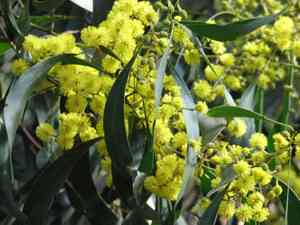
Yellow puff, a member of the legume family, is recognized for its vibrant yellow blossoms. Reproducing this plant is typically achieved by planting its seeds. For optimal sprouting, ensuring a soil mixture that drains effectively is vital, as yellow puff is susceptible to excessive moisture. Pre-treating the seeds by scarification can improve their sprouting success. Sow the seeds superficially and keep the growing medium damp, but not waterlogged. A steady warm environment can further encourage the sprouting process. After the young plants appear, it is essential to provide abundant sunlight and shield them from harsh temperatures.
When Is the Optimal Time to Propagate Yellow Puff?
Propagation Method
Seeding
Propagation Period
Spring
What Equipment Is Used in Yellow Puff Propagation?
Seed trays
Seed trays are vital for planting yellow puff seeds. These containers help maintain consistent moisture and temperature, crucial for successful yellow puff germination. The compartments ensure each seed has ample room to grow without crowding, promoting healthier initial development.
Fine sieved potting mix
For effective seed germination, a fine sieved potting mix is recommended for yellow puff. This medium offers a gentle environment that aids root formation while allowing proper air circulation and water drainage. A finer texture facilitates easier root penetration, essential for the delicate roots of yellow puff seedlings.
Misting bottle
A misting bottle is essential for gently watering yellow puff seeds without dislodging them. The fine mist ensures even soil moisture, promoting consistent germination rates and preventing seed rot or mold growth, which can often impact seed viability.
Heat mat
Providing a steady heat source, such as a heat mat, benefits the germination process of yellow puff. Heat mats help maintain optimal soil temperature, encouraging faster and more uniform germination, especially important as yellow puff may have specific temperature needs for successful growth initiation.
How to Propagate Yellow Puff?
Propagation Difficulty
Simple
How to Care for Your Newly Propagated Yellow Puff?
How to Care for Your Newly Propagated Yellow Puff?
After germination, allow yellow puff seedlings to grow until they are robust enough for transplanting, typically a few weeks. Gradually acclimate them to outdoor conditions over several days before planting in their permanent spot. Ensure the chosen location has full sun to partial shade and is rich in organic matter with good drainage. Regular watering, especially during dry spells, and occasional feeding with a balanced fertilizer will encourage healthy growth and flowering of yellow puff.
Common Errors to Avoid When Propagating Yellow Puff
Overwatering
Watering yellow puff too often can lead to root rot, as roots need oxygen in addition to moisture. Excessive watering can deprive them of necessary oxygen, causing decay and poor health.
Using Dense Soil
Employing overly compact or heavy soil for yellow puff can hinder root growth and drainage. This may result in waterlogging, impeding proper root development and increasing susceptibility to diseases.
Too Deep Planting
Planting yellow puff cuttings too deeply can cause them to rot before they can establish roots. This will significantly reduce propagation success rates.
Ignoring Light Requirements
Failing to provide yellow puff with adequate light during the rooting phase can impede its growth. Insufficient light may lead to weak, leggy growth, negatively affecting overall plant health.
Tips For Propagating Yellow Puff
Use Well-Draining Soil
Employing a well-draining soil mix enhances the establishment of yellow puff roots. This prevents water retention around the roots, which could otherwise cause fungal diseases.
Proper Cutting Technique
When propagating yellow puff through cuttings, make a clean, diagonal cut on the stem. This increases the surface area for root formation and aids in the absorption of water and nutrients.
Moderate Watering
Provide yellow puff with just enough water to keep the soil moist but not waterlogged. Consistent, moderate watering supports healthy root development without the risk of rot.
Adequate Light Exposure
Ensuring yellow puff receives sufficient but indirect light supports photosynthesis and encourages a strong, healthy root system, vital for successful propagation.



