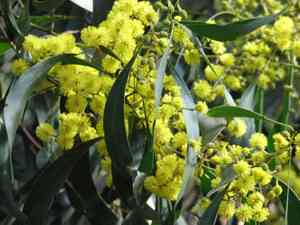
Yellow puff (Neptunia lutea)
Also known as: Yellow Puff, Balloon Vine
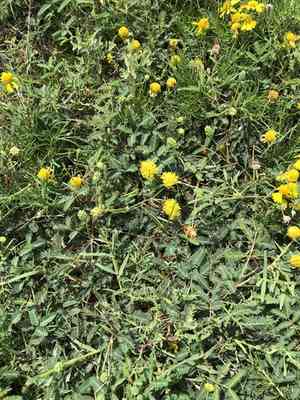
Neptunia lutea, often called Yellow Puff due to its clustered yellow flowers, is native to the United States and thrives in disturbed soils. The plant exhibits a notable behavior where its leaves fold upon touch, as well as at night or during overcast conditions.
In This Article
Attributes of Yellow puff
Lifespan
Perennial
Plant Type
Herb
Plant Height
1.2 m to 1.8 m
Spread
23 cm to 45 cm
Leaf Color
Green Blue
Flower Size
0.5 to 1 inch
Flower Color
Yellow
Images of Yellow puff
Quickly Identify Yellow puff
1
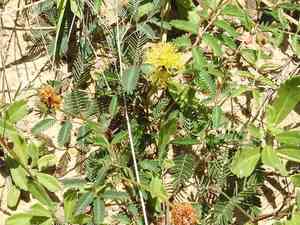
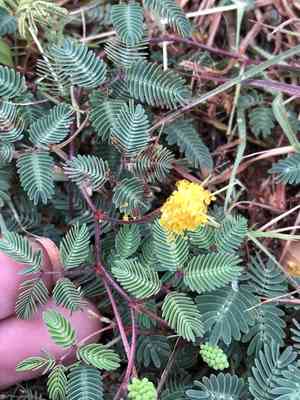
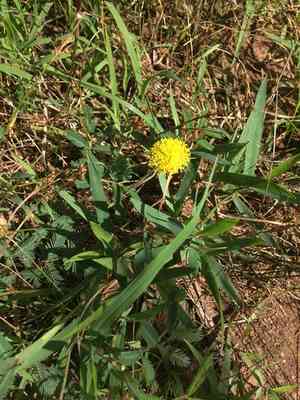
To identify Neptunia lutea, look for its distinctive bright yellow spherical flower clusters and its fern-like, bipinnate leaves. The plant typically sprawls low to the ground and has a somewhat vining habit.
Scientific Classification of Yellow puff
Phylum
Vascular plants
Class
Dicotyledons
Order
Fabales
Family
Legume
Genus
Neptunia
Species
Yellow puff
Planting and Growing of Yellow puff
Care Difficulty
Easy
Watering Schedule
Every 2 days
Sunlight Requirements
Full sun
Sunshine Duration
4-8 hours
Ideal Temperature
70-85℉
Soil Type
Potting Mix, Peat Mix
Soil pH
6.5-7.5
Fertilizer Type
Balanced
Pruning Season
Spring, Summer
Pruning Area
Branches, Leaves
Pruning Frequency
2 times a year
Repotting Season
Spring
Pot Type
Plastic, Ceramic
 How to Water Yellow puff?
For Neptunia lutea, water thoroughly with about 250 ml once every two weeks. This ensures the soil remains moist but not soggy. The key is to saturate the root zone without leaving standing water.
What are the symptoms of an underwatered Yellow puff?
›
What should I do if my Yellow puff is not getting enough water?
›
What are the symptoms of an overwatered Yellow puff?
›
How to save an overwatered Yellow puff?
›
 What Are the Sunlight Requirements for Yellow puff?
Neptunia lutea prefers full to partial sun. Receiving 6-8 hours of direct sunlight helps maintain its growth vigor and enhances blooming. Adequate lighting ensures robust development and resilience against stressors.
More About Sunlight Requirements Techniques→
What is the ideal light condition for Neptunia lutea?
›
How can you ensure Neptunia lutea gets its ideal lighting?
›
What benefits does Neptunia lutea get from ideal lighting?
›
 What Is the Ideal Temperature Range for Yellow puff?
The ideal temperature range for Neptunia lutea is between 70°F and 85°F. This range is optimal for its growth and development, providing the essential warmth it needs to thrive. Maintaining this temperature helps in efficient photosynthesis and nutrient uptake, promoting lush foliage and healthy blooms. Inside this range, the plant can perform its physiological processes efficiently, leading to vigorous growth.
 What Soil is Best for Yellow puff?
Neptunia lutea thrives in well-drained soils. This requirement prevents root rot and ensures that the plant's roots receive adequate oxygen, promoting healthy growth and vigorous blooming. This plant flourishes with a good supply of nutrients. Enriched loam soils can provide the essential nutrients that Neptunia lutea needs for robust leaf and flower production, enhancing the plant's overall vigor. While Neptunia lutea can tolerate dry conditions, moderate moisture in the soil helps maintain its coloration and induces better flowering, ensuring that the plant remains healthy and vibrant.
 How to Fertilize Yellow puff?
For Neptunia lutea, it is recommended to apply a diluted liquid fertilizer at a concentration of half the recommended strength. This ensures that the plant receives adequate nutrients without the risk of over-fertilization. When using slow-release fertilizers, use around 20 grams per square meter.
 How to Prune Yellow puff?
Start by examining your Neptunia lutea for any overgrown or leggy stems, as well as any yellowing or dead foliage. These are prime targets for pruning to maintain the plant's shape and health. Carefully cut back the identified overgrown stems, making clean cuts at approximately a 45-degree angle just above a leaf node or bud. This encourages new, vigorous growth from that point. Remove any congested branches or stems that hinder proper air circulation within the crown of the plant. This reduces the risk of fungal infections and promotes a balanced structure.
More About Pruning Techniques→
 How to Propagate Yellow puff plant?
1
Begin by choosing healthy seeds. Ensure seeds are mature and free of any visible damage, which increases the likelihood of successful germination.
2
Fill a seed tray with sterile potting mix and moisten it slightly. This helps in providing the necessary environment for seeds to germinate effectively.
3
Sow seeds on the soil surface and cover lightly with potting mix. This protects the seeds and allows sufficient light penetration for germination.
 How to Repot Yellow puff plant?
1
Repotting Neptunia lutea should be considered when roots start to outgrow their current pot, impacting the plant's health. Another indication is when the soil appears to be breaking down, leading to poor drainage and nutrient retention. Generally, repot during the growing season for optimal recovery.
2
Choose a pot that is 1-2 inches larger in diameter than the current one. It should have adequate drainage holes to prevent waterlogging, which can harm the roots. Materials like clay are excellent as they allow air exchange, keeping roots healthy.
3
Opt for a well-draining potting mix rich in organic matter. This type of soil ensures proper aeration and moisture retention, promoting healthy root development and preventing common issues like root rot from excessive water accumulation.
Learn More About Yellow puff Diseases
Anthracnose
Bacterial Leaf Spot
Bacterial Wilt
Crown Gall
Cyst Nematode
Damping-off
Downy Mildew
Drought Stress
Fusarium Wilt
Gray Mold
Leaf Spot
Mosaic
Nutrient Deficiency
Nutrient Toxicity
Powdery Mildew
Root Rot
Root-knot Nematode
Rusts
Sooty Mold
Spider Mites
Temperature Stress
Thrips Damage
White Mold



