How to Prune Yellow puff?
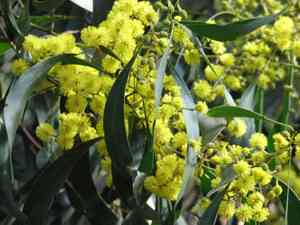
A shrub from the legume family, yellow puff is distinguished by its globe-shaped yellow flowers and leaves resembling mimosa. Successful trimming entails reducing dense branches to improve light exposure and airflow, fostering more robust development. The ideal period for pruning is from late spring to summer after blooming, which stimulates the formation of new buds. Diligent removal of deceased or compromised leaves is essential, preserving the plant's vitality and structure, and deterring unwanted insects. Trim thoughtfully to uphold the inherent, rounded silhouette of yellow puff, crucial for its decorative value.
What Are the Benefits of Pruning Yellow Puff?
What Are the Benefits of Pruning Yellow Puff?
Trimming yellow puff promotes robust development and helps maintain its dense, appealing form. It encourages new shoots, leading to a full look, and ensures the plant stays within its designated area.
What Is the Best Time for Pruning Yellow Puff?
What Is the Best Time for Pruning Yellow Puff?
Trimming yellow puff in spring coincides with the start of its growth cycle, as frost danger has passed and the plant begins active development, aiding better wound recovery and new growth. Early summer pruning is also advantageous; this timing ensures yellow puff doesn't expend energy on parts that will be removed, which can support healthier, more vigorous growth throughout the growing season. These periods also follow the typical blooming phase, helping to preserve the flowers that usually appear in late winter or early spring. Pruning during these times helps maintain the plant's shape, encourage flowering, and prevent the potential spread of pests and diseases which are more active during the warm, moist conditions of late summer.
What Tools Do I Need to Prune Yellow Puff?
Hand Pruners
Perfect for cutting small stems and branches on yellow puff, hand pruners deliver precise cuts without harming plant tissues.
Pruning Shears
Designed to shape and manage the size of yellow puff, pruning shears ensure accuracy when working with delicate foliage.
Gloves
Shield hands from thorns or rough stems while trimming yellow puff, allowing for safe handling during maintenance tasks.
Garden Scissors
Useful for snipping tender shoots or deadheading spent blooms of yellow puff for a tidy plant appearance and encouraging new growth.
Loppers
If yellow puff has developed thicker branches, loppers provide extended reach and leverage for a clean cut on tougher woody material.
How to Prune Yellow Puff
Disinfect Tools
Before beginning, sanitize your pruning shears with a bleach or alcohol solution to prevent disease transmission during the trimming process.
Remove Diseased Parts
Carefully cut away any diseased leaves and stems from yellow puff using the sterilized shears, making clean cuts to avoid tearing which may further harm the plant.
Trim Withered Leaves
Identify and remove any withered or yellow leaves by cutting them at the base where they meet the stem. This promotes healthier growth and redirects yellow puff's energy to the remaining foliage.
Clean Cut Diseased Stems
Isolate diseased stems and use a precise, diagonal cut to remove them completely, ensuring you cut well below the diseased portions to eradicate all affected tissue.
Dispose Trimmed Material
Dispose of all removed materialâdiseased leaves and stemsâappropriately to prevent the spread of any pathogens back to yellow puff or other plants in the vicinity.
Common Pruning Mistakes with Yellow Puff
Over-Pruning
Removing too much growth at once which can stress yellow puff and can lead to reduced vigor or even plant death.
Improper Tool Use
Using dull or dirty pruning tools can create jagged cuts that are more susceptible to disease and pest infestation in yellow puff.
Pruning Healthy Growth
Unnecessarily cutting healthy branches may inhibit the growth and flowering potential of yellow puff.
Neglecting Dead Material
Failing to remove dead or diseased branches can hinder yellow puff's overall health and aesthetics.
Ignoring Natural Shape
Pruning without considering the natural form of yellow puff can result in an unnatural appearance and poor growth patterns.
Common Pruning Tips for Yellow Puff
Sharp Tools
Always use sharp, clean pruning shears or scissors to make clean cuts that will heal quickly and minimize stress to yellow puff.
Selective Thinning
Focus on thinning out crowded areas to increase air circulation and light penetration, which is essential for the health of yellow puff.
Cutting Angle
Cut branches at a 45-degree angle, about 1/4 inch above a bud facing the outside of the plant, which encourages outward growth for yellow puff.
Health Check
Regularly inspect yellow puff for dead, damaged, or diseased wood and remove them promptly to maintain the plant's health.
Conservative Approach
For yellow puff, start with lighter pruning and adjust as needed rather than removing large portions of the plant at once.



