The Yellow puff Plant Advantage: Maximizing Home and Office Appeal and Wellness
1
This plant helps stabilize soil because of its widespread root network.
2
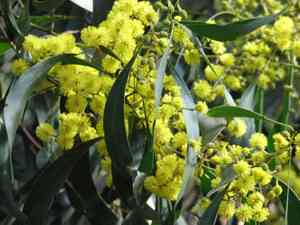
Its vibrant yellow blooms draw in pollinators, benefiting local environments.
3
It's suitable for use in naturalized gardens and sustainable agriculture.
What Makes Yellow puff Special?
Ecological Benefits
A primary advantage of Yellow puff is its contribution to ecological well-being. The plant's extensive root system is highly effective at preventing soil erosion, making it invaluable for stabilizing banks, slopes, and other erosion-prone areas. Furthermore, Yellow puff forms a symbiotic relationship with nitrogen-fixing bacteria, enriching the soil with nitrogen, thereby boosting fertility and improving conditions for other plants.
Support for Pollinators
Yellow puff's vibrant yellow blossoms are not only visually striking but also highly appealing to various pollinators, including bees and butterflies. By offering a consistent source of nectar and pollen, Yellow puff plays a vital role in sustaining pollinator populations. This, in turn, enhances the health and vigor of the local ecosystem, as pollinators are crucial for the reproduction of many flowering species.
How Can Yellow puff Be Used in Sustainable Landscaping?
Natural Landscaping
Integrating Yellow puff into your landscaping projects provides numerous benefits. Its resilience and minimal care needs make it an excellent option for natural landscaping and permaculture designs. This plant adapts well to diverse soil types and flourishes in both full sun and partial shade. Utilizing Yellow puff in landscaping can reduce the need for chemical fertilizers and pesticides, offering a more sustainable and eco-friendly alternative.
Erosion Control
As previously noted, Yellow puff is highly effective in combating soil erosion. Its dense root network helps anchor the soil, making it an ideal plant for reinforcing embankments and preventing landslides. This proves especially useful in areas with unstable soil or where traditional erosion control methods are difficult to implement. Planting Yellow puff can help maintain your landscape's integrity while fostering a healthier, more robust environment.
What Are the Growth Requirements for Yellow puff?
Soil and Water Needs
Yellow puff is relatively undemanding regarding soil requirements. It can thrive in various soil types, including sandy, loamy, and clay. However, well-drained soils are preferred to avoid waterlogging. Concerning water needs, Yellow puff is quite drought-tolerant once established, though it benefits from regular watering during extended dry periods. Adequate soil moisture will support robust growth and flowering.
Light and Temperature
This plant flourishes in full sunlight but can also tolerate partial shade. While generally hardy and adaptable, optimal growth occurs in areas receiving ample sunlight. Yellow puff can endure a range of temperatures, making it suitable for diverse climates. However, extreme frost may harm the plant, so some protection or mulching might be necessary in colder regions.
Why Should You Consider Yellow puff for Your Garden?
Aesthetic Appeal
Beyond its ecological advantages, Yellow puff offers significant aesthetic charm. The plant's bright yellow flowers infuse any garden with a burst of color, creating a visually pleasing landscape. Its distinctive foliage also provides interesting texture and contrast when paired with other plants, enhancing the overall design and beauty of garden spaces.
Low Maintenance
One of Yellow puff's most appealing attributes for gardeners is its minimal maintenance requirements. Once established, this plant needs little care, making it an excellent choice for busy gardeners or those seeking a resilient addition to their plant collection. Occasional pruning and watering during dry spells are typically all that's needed to keep Yellow puff healthy and thriving.



