How Much Sunlight Do Penwiper plant Need?
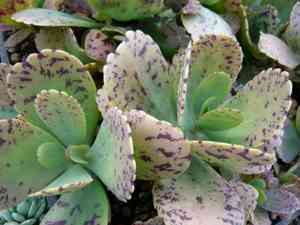
1
The Penwiper plant flourishes with over six hours of direct sunlight each day.
2
In the summer months, it's crucial to reposition the plant to prevent leaf scorch.
3
While a Penwiper plant can endure some shade, its growth won't be as vigorous compared to full sun conditions.
Optimal Illumination Requirements for Penwiper plant
Direct vs. Indirect Illumination
For the Penwiper plant, grasping the distinction between direct and indirect light is vital. This succulent flourishes under direct illumination, meaning it thrives when situated in areas that receive unfiltered sunlight. While it benefits from full sun, shield it from the intense midday heat, especially in summer, to prevent leaf scorching. Conversely, while the plant can survive in indirect light, its growth will not be as robust as in direct sun.
Prime Location within Your Residence
Selecting an appropriate spot for your Penwiper plant indoors significantly impacts its vitality and development. Ideally, position the plant on a south-facing windowsill to guarantee ample sunlight throughout the day. If a south-facing window isn't an option, east or west windows can suffice, provided the plant gets several hours of light. Remember to periodically rotate the plant to ensure all sides receive uniform sunlight, fostering symmetrical growth.
Fluctuations in Seasonal Light
Seasonal shifts can substantially affect the light exposure of your Penwiper plant. In summer, with stronger sun and longer days, you might need to reposition your plant to avoid excessive sun. Conversely, in winter, ensuring sufficient light is often the challenge. Consider moving your plant closer to a window or employing supplementary lighting during shorter days to ensure its continued vigor.
Recognizing Light-Induced Stress in Penwiper plant
Indicators of Overexposure
Excessive sunlight can manifest in Penwiper plants through various symptoms. Common signs include seared, browned, or bleached foliage. If the plant's leaves become crispy or develop dark patches, it's likely receiving too much direct sun. In such instances, promptly relocate the plant to a less intense light setting to prevent further damage.
Indicators of Underexposure
If your Penwiper plant isn't getting adequate sunlight, it will also display signs of stress. The plant may become elongated, with stretched stems and sparse foliage as it reaches for light. Leaves might appear dull or lose their vibrant color. If these symptoms are observed, try moving the plant to a brighter location or providing additional illumination.
Immediate Corrective Measures
If you suspect your Penwiper plant is suffering from light stress, swift action can aid its recovery. For overexposure, move it to a filtered light spot and remove any severely damaged leaves. For underexposure, gradually expose the plant to more light, either by placing it nearer a bright window or using artificial grow lights. Continuously monitor the plant for signs of improvement or worsening.
Optimizing Illumination for Penwiper plant
Utilization of Grow Lights
If your home's natural light is insufficient, especially during colder months, grow lights offer an excellent alternative to ensure your Penwiper plant receives essential light. LED grow lights are energy-efficient and can be adjusted to provide the necessary light spectrum without overheating your plant. Choose fixtures that offer full-spectrum lighting or are specifically designed for succulents.
Modifying Natural Light Exposure
Improving your plant's access to natural light can be as simple as strategic placement. To increase the light your Penwiper plant receives, consider cleaning your windows to remove obstructions or pruning nearby outdoor foliage that might cast shadows. Additionally, using mirrors to reflect light onto your plant can be an inventive method to boost sunlight exposure without repositioning the plant.
Guidance for Transitional Care
When relocating your Penwiper plant to a new lighting environment, make the transitions gradual to prevent shock. If moving from low light to a brighter area, do so in stages over one to two weeks. This helps the plant acclimate without stress. Similarly, when introducing grow lights, start with shorter durations and progressively increase exposure time to mimic natural conditions.



