How to Propagate Penwiper plant?
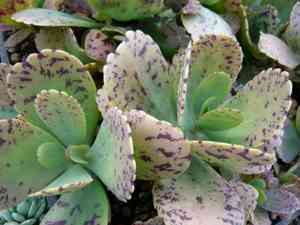
The penwiper plant reproduces best from stem sections during the warmer periods of spring and summer. This method is straightforward and yields excellent results, evidenced by the emergence of new roots and developing foliage.
Optimal Period for Penwiper Plant Propagation
Propagation Type
Cutting
Propagation Season
Spring, Summer
Tools Required for Penwiper Plant Propagation
Sharp pruning shears or a knife
A sharp pair of pruning shears or a clean, keen knife is vital for taking penwiper plant cuttings. This implement ensures a precise cut, minimizing harm to both the parent plant and the cutting, which is key for encouraging successful rooting. A clean, sharp incision helps prevent infection and promotes faster healing of the cut surface.
Potting medium
A well-draining potting mix, such as a blend of perlite and peat moss or a cactus/succulent blend, is essential for penwiper plant cuttings to root effectively. The potting medium should be light and permeable, allowing for air circulation and preventing waterlogging, thereby reducing the risk of rot in the delicate new roots.
Rooting hormone
Rooting hormone in powder or gel form can stimulate root development and enhance the likelihood of successful penwiper plant propagation. By dipping the cut end of the cutting into the hormone, you promote quicker root formation and establish an antifungal barrier that safeguards the cutting during the rooting process.
Propagation tray or pots
Small propagation trays or containers with drainage holes are necessary for planting penwiper plant cuttings. These receptacles hold the potting medium and maintain appropriate moisture levels while allowing excess water to escape, preventing issues of overwatering.
Plastic wrap or a humidity dome
Covering the propagation tray or pots with plastic wrap or a humidity dome helps maintain a high humidity environment around penwiper plant cuttings. This is beneficial for preventing water loss from the cutting's leaves and for fostering a humid microclimate, which encourages root development.
Spray bottle
A spray bottle filled with water is needed to gently mist the surface of the potting medium and penwiper plant cuttings. Misting provides moisture without disturbing developing roots through heavy watering, which is particularly important in the early stages of propagation.
Heat mat (optional)
An optional tool, a heat mat can provide consistent bottom warmth, which in some cases may encourage faster root development in penwiper plant. It is particularly advantageous when propagating in cooler environments, as it maintains an optimal temperature for root growth.
Steps to Propagate Penwiper Plant
Propagation Type
Cutting
Difficulty Level
Easy
Post-Propagation Care for Your Penwiper Plant
Post-Propagation Care for Your Penwiper Plant
Following propagation, continue to care for penwiper plant by watering when the top inch of the soil feels dry, providing bright indirect light, and fertilizing with a diluted succulent feed during the growing season. Avoid excessive watering, allow the soil to dry out between waterings, and ensure proper drainage to prevent root rot. Regularly inspect for pests and diseases and treat as needed.
Common Errors to Avoid When Propagating Penwiper Plant
Watering issues
Excessive or insufficient watering can lead to root rot or dehydration, impeding the rooting process of penwiper plant cuttings.
Cutting size
Utilizing cuttings that are too small may lack sufficient energy to develop roots or survive the propagation process.
Cut location
Taking cuttings from non-viable parts of penwiper plant, such as weak or diseased stems, can result in unsuccessful propagation.
Humidity neglect
Disregarding humidity requirements can cause penwiper plant cuttings to dry out, leading to propagation failure.
Poor hygiene
Failing to sterilize tools before cutting can introduce pathogens to penwiper plant, leading to infection and poor growth.
Immediate exposure
Exposing penwiper plant cuttings to direct sunlight immediately after cutting can stress the plant, hindering root development.
Advice for Propagating Penwiper Plant
Healthy stock
Ensure the parent penwiper plant is healthy and free of pests to increase the likelihood of successful propagation.
Proper cutting
Use a sharp, clean blade to make a precise cut, reducing stress and potential infection in penwiper plant.
Leave callus
Allow the cut end of penwiper plant cutting to form a callus for a few days before planting, which helps prevent rot.
Soil mixture
Use a well-draining soil mix to provide the correct balance of aeration and moisture for penwiper plant's roots to flourish.
Indirect sunlight
Place penwiper plant cuttings in bright, indirect light to encourage growth without causing sunburn.
Consistent moisture
Keep the soil consistently moist but not waterlogged to support healthy root development in penwiper plant.
Gradual adaptation
Acclimate penwiper plant gradually to its new environment to reduce transplant shock and improve survival rate.



