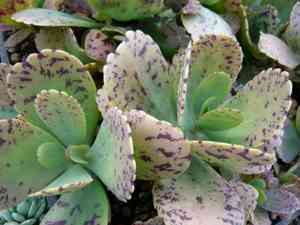
Penwiper plant (Kalanchoe marmorata)
Also known as: Pen Wiper Plant
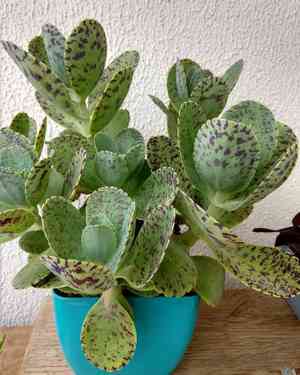
The Penwiper plant (Kalanchoe marmorata), a flowering perennial succulent from central and western Africa, is often grown in rock gardens and as an indoor houseplant in cooler climates. It requires bright, indirect sunlight and well-draining soil, like a cactus or succulent mix, to thrive. Ensure the soil dries out between waterings and maintain temperatures between 60-75°F (15-24°C). Protect it from frost and provide good air circulation to prevent fungal issues.
Attributes of Penwiper plant
Images of Penwiper plant
Quickly Identify Penwiper plant
Scientific Classification of Penwiper plant
Planting and Growing of Penwiper plant
 How to Water Penwiper plant?
 What Are the Sunlight Requirements for Penwiper plant?
 What Is the Ideal Temperature Range for Penwiper plant?
 What Soil is Best for Penwiper plant?
 How to Fertilize Penwiper plant?
 How to Prune Penwiper plant?
 How to Propagate Penwiper plant plant?
 How to Repot Penwiper plant plant?
Toxicity of Penwiper plant
Is Penwiper plant toxic to cat?
The Penwiper plant presents a mild toxicity risk to cats, especially when consumed in significant quantities. All parts of this plant are toxic, making it possible for cats to nibble on the leaves or stems, which could result in various health complications. After ingestion, a cat may show signs of physical discomfort or illness, raising alarms for pet owners. While the exact toxic components are not specified, it is crucial for cat owners to restrict their pets' access to the penwiper plant and to seek veterinary assistance immediately if they notice any symptoms of distress. Quick intervention is essential in addressing any potential poisoning.
Is Penwiper plant toxic to dog?
The Penwiper plant presents a mild toxic risk to dogs. When ingested in significant quantities, it can poison canines. Every part of the penwiper plant is toxic, indicating that consuming any section – be it leaves, stems, or flowers – may result in poisoning. Symptoms can vary, but they might include gastrointestinal disturbances such as vomiting or diarrhea. Therefore, it is vital for dog owners to keep a close eye on their pets and restrict access to the penwiper plant, particularly if their dog tends to nibble on plants. Should ingestion occur, seeking immediate attention from a veterinary clinic is imperative to safeguard the pet's health and well-being.



