How to Overwinter Penwiper plant
1
Penwiper plants are sensitive to cold and require safeguarding from temperatures under 10°C (50°F).
2
These succulents flourish in ample, diffused illumination, making them perfect indoor specimens for the colder months.
3
Excessive watering is a frequent error committed when keeping Penwiper plants through winter.
Why Overwinter Penwiper plant?
Why Overwinter Penwiper plant?
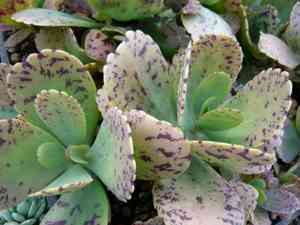
The Penwiper plant, with its appealingly patterned leaves, is a favored choice among succulent lovers. However, as it's sensitive to cold, it's vulnerable to chilly weather. Protecting your Penwiper plant during winter is vital for its well-being and continued flourishing year after year. When temperatures fall below 10°C (50°F), keeping your Penwiper plant indoors can shield it from frost damage and other environmental stresses.
Signs Your Penwiper plant Needs Overwintering
Frost Sensitivity
A primary indicator that your Penwiper plant requires winter protection is its susceptibility to frost. If local temperatures begin to drop below 10°C (50°F), the leaves can suffer frostbite, resulting in darkened or soft edges. Monitoring weather forecasts can help you move the plant inside before harm occurs.
Drooping Leaves
Limp leaves can also signal that your Penwiper plant is struggling in the cold. When exposed to unsuitably low temperatures, these plants might wilt or sag, losing their characteristic firm vitality. This serves as a clear sign that it's time to relocate them to a warmer setting.
Discoloration
Another sign of cold stress in your Penwiper plant is a change in leaf color. If leaves begin to turn yellow or pale, it often indicates a reaction to cold or insufficient light. Promptly moving your plant to warmer indoor conditions can effectively resolve this issue.
How to Prepare Your Penwiper plant for Overwintering
Cleaning the Plant
Begin by thoroughly cleaning your Penwiper plant. Gently remove any dust or debris from its leaves using a soft cloth or a light spray of water. This practice helps ensure the plant can efficiently photosynthesize and reduces the risk of pest infestations.
Pruning Tips
Trim your Penwiper plant to remove any dead or damaged foliage. Use sharp, sanitized shears to prevent introducing infections to the plant. Proper pruning maintains the plant's visual appeal and encourages robust new growth.
Inspect for Pests
Examine the plant for common pests such as aphids, spider mites, and mealybugs. If any are found, treat the plant with insecticidal soap or neem oil. Bringing a pest-free plant indoors minimizes the chance of infestations spreading to other houseplants.
Ideal Indoor Conditions for Overwintering Penwiper plant
Optimal Temperature
Maintain a steady indoor temperature between 15°C and 24°C (59°F and 75°F). Avoid placing the plant near drafty windows or heating vents, as sudden temperature shifts can stress the plant.
Light Requirements
Position your Penwiper plant in a spot where it will receive bright, indirect illumination. A south-facing window is often perfect. If natural light is scarce, consider using a grow light to boost light levels and prevent etiolation (stretched growth).
Humidity Levels
Penwiper plants prefer moderate humidity. While they can tolerate drier indoor air, especially in winter, consider using a room humidifier or placing the plant on a pebble tray filled with water to maintain optimal humidity.
Common Mistakes to Avoid While Overwintering Penwiper plant
Overwatering
One of the biggest errors when overwintering Penwiper plants is excessive watering. These succulents require less water during winter as their growth slows. Water sparingly, allowing the soil to completely dry out between waterings to prevent root rot.
Lack of Light
Insufficient light is another frequent problem. Remember, Penwiper plants need bright, indirect light to flourish. Without adequate light, they can become leggy and lose their vibrant leaf coloration. Supplementing with grow lights can be an effective solution if natural light is insufficient.
Ignoring Pests
Failing to regularly check for pests can lead to significant issues. Indoor environments can sometimes foster pests that wouldn't thrive outdoors. Regularly inspect your plant and treat any infestations promptly to keep your Penwiper plant healthy throughout the winter.



