The Penwiper plant Plant Advantage: Maximizing Home and Office Appeal and Wellness
1
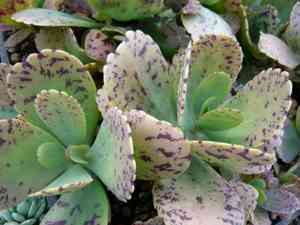
The Penwiper plant is recognized for its distinctive and attractive leaves.
2
This particular plant requires very little upkeep and is simple to maintain.
3
Penwiper plants are capable of enhancing indoor air purity by removing harmful substances.
Why Select Penwiper Plant for Your Residence?
Distinctive Visual Charm
A prominent characteristic of the Penwiper plant is its singular and captivating look. Its leaves feature beautiful marbling, forming an attractive pattern that can easily become the focal point of any room or garden. This unique foliage brings a touch of grace and refinement to interior decor.
Minimal Upkeep Requirements
For individuals new to gardening or those with limited time for plant care, the Penwiper plant is an excellent choice. This plant is remarkably resilient and demands little maintenance, making it ideal for busy lifestyles. It flourishes in various conditions and can endure periods of neglect, meaning you won't need to stress much about its upkeep.
Air Purification Advantages
Beyond its aesthetic appeal and ease of care, the Penwiper plant offers the added benefit of enhancing indoor air quality. It functions as a natural air purifier, absorbing pollutants and toxins from the atmosphere and releasing clean oxygen. This can lead to a healthier living environment, particularly in homes with restricted ventilation.
Effective Penwiper Plant Care Guide
Optimal Growth Conditions
To ensure your Penwiper plant thrives, providing the correct growing environment is essential. The plant prefers bright, indirect light and can tolerate lower light levels, making it adaptable for various spots in your home. It's also well-suited for outdoor areas where it can receive partial sunlight.
Watering and Soil Needs
One reason the Penwiper plant is so low-maintenance is its modest watering requirements. Allow the soil to completely dry out between waterings to prevent root rot. Using a well-draining soil mix is vital to avoid waterlogging. Infrequent watering combined with appropriate soil ensures the plant stays healthy and vibrant.
Pest and Disease Management
The Penwiper plant is relatively resistant to pests and diseases, but regular monitoring is still important. Common issues include spider mites and aphids, which can be managed with natural remedies like neem oil or insecticidal soap. Keeping the plant clean and dry helps prevent fungal diseases.
How Can Penwiper Plant Enhance Garden Areas?
Flexible Landscaping Choices
In garden settings, the Penwiper plant provides versatile landscaping options. Its distinctive foliage can be used to create striking borders or highlight rock gardens. It complements other plants well, adding texture and color to garden designs. The plant's adaptability to different light conditions makes it a flexible choice for various garden layouts.
Container Gardening Benefits
For those with limited outdoor space, the Penwiper plant is an excellent candidate for container gardening. It flourishes in pots and containers, offering flexibility for placement on balconies, patios, or even windowsills. Container gardening allows for easy repositioning of the plant to optimize growing conditions, such as moving it to sheltered areas during extreme weather.
Seasonal Garden Contribution
The Penwiper plant can also contribute to seasonal gardening. While it is a perennial, its vibrant foliage can add a splash of color to garden spaces throughout the year. This makes it a valuable addition to gardens aiming to maintain visual appeal across different seasons.
Best Practices for Penwiper Plant Propagation
Leaf Cuttings Technique
Propagating the Penwiper plant is a rewarding process that allows you to expand your collection or share this remarkable plant with others. One of the most effective propagation methods is using leaf cuttings. Simply cut a healthy leaf, let it dry for a day or two, then place it on moist soil. Over time, new plants will emerge from the leaf edges.
Offshoots and Pups Method
Another way to propagate the Penwiper plant is by utilizing offshoots or pups that grow at the base of the parent plant. Gently detach these offshoots and plant them in a separate pot with well-draining soil. This method ensures the new plant will retain the same characteristics as the parent, preserving its unique foliage and hardiness.



