How Much Sunlight Do Pin stripe plant Need?
1
Pin stripe plants flourish optimally in subdued to moderate indirect illumination.
2
Unfiltered sun exposure can burn the foliage of your Pin stripe plant, causing harm.
3
During colder months, contemplate employing supplemental grow lights for your Pin stripe plant.
What Illumination Does a Pin stripe plant Require?
Understanding Its Native Environment
The Pin stripe plant, originating from South American tropical forests, naturally thrives beneath the dense canopy of tall trees. This native setting provides the plant with filtered sunlight and ample shade. Recognizing this helps us recreate its optimal conditions indoors.
Ideal Light Strength
Pin stripe plant prefers subdued to moderate indirect illumination. It's crucial to prevent harsh, direct sun exposure as it can harm its delicate foliage. Ideally, position it where it receives filtered or diffused light. A window facing north or a spot with only early morning or late afternoon sun is perfect.
Optimizing Pin stripe plant Placement for Growth
Indoor Light Placement
When situating your Pin stripe plant indoors, consider placing it near an east or north-facing window. Ensure the light is softened, perhaps by using sheer curtains. Avoid south or west-facing windows unless you can provide filtered light, as intense sun from these directions could damage your plant.
Outdoor Light Considerations
If you're positioning your Pin stripe plant outdoors, select a shaded location, such as beneath a larger plant or a tree. This will mimic its natural understory habitat. Remember, even outdoor light can sometimes be too strong, so ensure the plant is protected from direct sun, especially during the day's peak hours.
Indicators of Over or Under-Exposure to Light for Your Pin stripe plant
Signs of Excessive Light Exposure
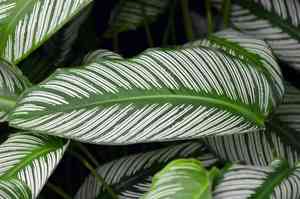
If your Pin stripe plant is getting too much light, you might observe its leaves becoming crisp, scorched, or developing brown spots. Additionally, the vivid pinstripes on the leaves could fade. To fix this, move the plant to a location with less direct light and consider using a sheer curtain to diffuse any strong sunlight.
Signs of Insufficient Light
When a Pin stripe plant doesn't receive enough light, it will show several key indicators. The leaves may yellow, and the plant's overall growth can become elongated and weak. To remedy this, move your plant to a brighter spot with indirect light. If natural light is limited, you might want to supplement with a grow light.
Adjusting Pin stripe plant Light Conditions Throughout the Year
Seasonal Variations in Natural Light
As seasons change, so does the intensity and availability of natural light. During winter months, when daylight is shorter and less intense, you might need to move your Pin stripe plant closer to a light source. Conversely, in summer, you may need to move it away from intense spots to prevent leaf burn.
Artificial Illumination Solutions
For consistent light conditions year-round, consider investing in artificial lighting. Full-spectrum LED grow lights can provide the appropriate light spectrum that mimics natural sunlight. Position the grow light about 30 cm (12 inches) above the plant and aim to give your Pin stripe plant about 12-14 hours of light per day during darker months.
Common Questions Regarding Pin stripe plant Light Needs
Can Pin stripe plant Endure Low Light?
Yes, the Pin stripe plant can tolerate low light conditions, making it suitable for areas that don't receive abundant sunlight. However, while it can survive in low light, it will flourish best with indirect, medium light. Periodically rotating the plant can also ensure uniform light distribution.
Is Direct Sunlight Detrimental to Pin stripe plant?
Direct sunlight is indeed harmful to the Pin stripe plant. The intense rays can scorch its leaves, causing them to turn brown and become crispy. Always opt for filtered light to maintain the plant's health and vibrant appearance.



