Optimal Fertilizer for Growing Pin stripe plant: What You Need to Know
1
Pin stripe plants thrive with a balanced nutrient solution, like a 10-10-10 NPK blend, during their active development phase.
2
The best time to nourish Pin stripe plants is in the summer, aligning with their most vigorous growth.
3
Excessive fertilization of Pin stripe plants can cause root damage and foliage browning, thus a conservative approach is vital.
Grasping the Fertilization Requirements of Pin stripe plant
Specific Nutritional Needs for Robust Development
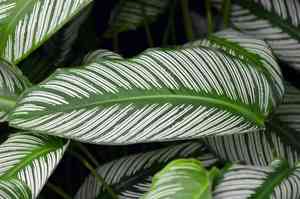
The Pin stripe plant flourishes when provided with appropriate nourishment. This plant, recognized for its striking dark green foliage adorned with pink pinstripes, demands a balanced diet to sustain its vibrant hues and vigorous growth. Essential nutrients encompass nitrogen for leaf development, phosphorus for root formation, and potassium for overall plant vitality. These elements are frequently indicated by their NPK ratio on fertilizer packaging. For the Pin stripe plant, a balanced formula such as 10-10-10 is often advised to guarantee it obtains equal proportions of these crucial components.
How Excessive Fertilization Can Harm Your Plant
While it might seem that more fertilizer would lead to quicker growth and more vivid leaves, excessive fertilization can actually injure your Pin stripe plant. Surplus nutrients can accumulate in the soil, causing root burn and fostering a toxic environment. Indicators of over-fertilization include yellowing leaves, scorched leaf tips, and a general decline in plant health. Adhering to recommended guidelines and exercising caution is vital, especially since this plant is sensitive to environmental shifts.
Selecting the Appropriate Fertilizer for Your Pin stripe plant
Comparing Organic Versus Synthetic Fertilizers
When choosing a fertilizer, you have the option between organic and synthetic varieties. Organic fertilizers, derived from plant or animal sources, like compost or manure, offer a gradual release of nutrients and enhance soil quality over time. Synthetic fertilizers, which are artificially produced, deliver a more immediate nutrient boost. For Pin stripe plants, both types can be effective, but organic choices may help preserve soil integrity and support long-term plant well-being.
Identifying Fertilizers with Suitable NPK Ratios
Choosing a fertilizer with the correct NPK ratio is crucial for your Pin stripe plant. The ratio represents Nitrogen (N), Phosphorus (P), and Potassium (K), with balanced ratios like 10-10-10 being optimal for even nutrient distribution. However, if your plant exhibits signs of specific nutrient deficiencies, you might need to adjust the ratio accordingly. For instance, if you observe leggy growth and pale leaves, a higher nitrogen content could be beneficial.
Optimal Practices for Fertilizing Pin stripe plant
How Frequently Should You Fertilize?
For the healthiest development, fertilize your Pin stripe plant every 4-6 weeks during its active growth period, primarily in summer. This frequency ensures that the plant receives a consistent supply of nutrients without overwhelming it.
Applying Fertilizer: Methods for Uniform Distribution
To effectively fertilize your Pin stripe plant, spread the product evenly across the soil surface and water it thoroughly to help the nutrients reach the roots. Avoid direct contact with the leaves and stems to prevent potential harm.
Seasonal Considerations in Fertilizing Your Plant
Summer is the ideal time to fertilize as this is when the plant is most actively growing. During this period, the Pin stripe plant can fully utilize the added nutrients to support its development. Conversely, reduce or cease fertilizing in the dormant winter months to prevent nutrient accumulation.
Monitoring Your Pin stripe plant After Fertilization
Indicators of Successful Fertilization
After fertilizing, observe your plant for signs of improved health. Effective fertilization will result in stronger, more vibrant leaves and new growth. Over time, you should notice a significant difference in the plant's overall vitality.
Detecting Symptoms of Fertilizer Burn
Fertilizer burn is a common issue that can result from over-application. Symptoms include brown leaf tips, wilting, and yellowing foliage. If you notice these signs, flush the soil with ample water to dilute the excess fertilizer and mitigate further damage.



