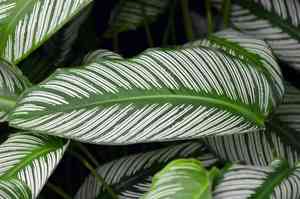
Pin stripe plant (Goeppertia ornata)
Also known as: Pinstripe Plant, Prayer Plant, Pinstripe Calathea
The pin stripe plant, or Goeppertia ornata, is a gorgeous tropical houseplant with distinct markings on the leaves. Although calatheas have a reputation for being difficult to grow, the pin stripe plant is one of the easier choices to care for. The plant is sometimes named as a member of the prayer plant family for the way it closes up its leaves in the evening.
In This Article
Attributes of Pin stripe plant
Lifespan
Perennial
Plant Type
Herb
Plant Height
60 cm
Spread
50 cm
Leaf Color
Green
Flower Size
2.5 cm
Flower Color
White Yellow Green
Images of Pin stripe plant
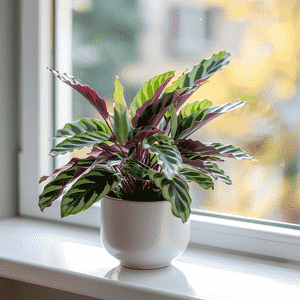
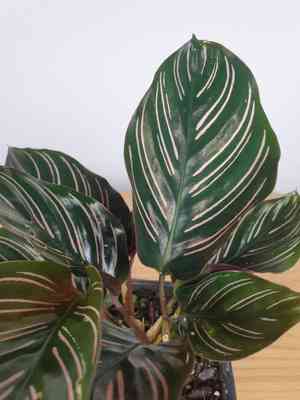
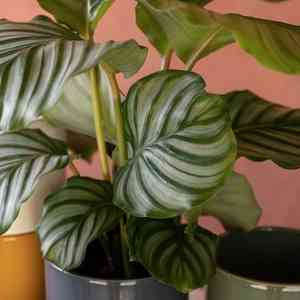
Quickly Identify Pin stripe plant
1
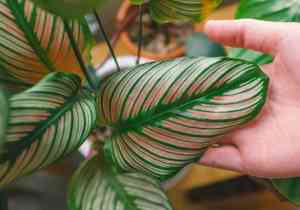
Look for large, dark green oval leaves with distinctive pink or white pinstripes. The leaves are usually glossy with a smooth texture. The undersides of the leaves often have a deep purple hue.
Scientific Classification of Pin stripe plant
Phylum
Vascular plants
Class
Monocotyledons
Order
Zingiberales
Family
Arrowroot
Genus
Calatheas
Species
Pin stripe plant
Planting and Growing of Pin stripe plant
Care Difficulty
Easy
Watering Schedule
Every 4 days
Sunlight Requirements
Partial sun
Sunshine Duration
6-10 hours
Ideal Temperature
65-75℉
Soil Type
Potting Mix, Peat Mix
Soil pH
6.5-7.5
Fertilizer Type
Balanced
Pruning Season
Spring, Summer
Pruning Area
Branches, Leaves
Pruning Frequency
2 times a year
Repotting Season
Spring
Pot Type
Plastic, Ceramic
 How to Water Pin stripe plant?
A Goeppertia ornata should be watered thoroughly so that excess water drains from the pot's bottom, ensuring the roots receive enough moisture. Generally, 200 milliliters per watering session is sufficient, aimed at maintaining evenly moist but not soggy soil.
More About Watering Techniques→
What are the symptoms of an underwatered Pin stripe plant?
›
What should I do if my Pin stripe plant is not getting enough water?
›
What are the symptoms of an overwatered Pin stripe plant?
›
How to save an overwatered Pin stripe plant?
›
 What Are the Sunlight Requirements for Pin stripe plant?
Partial sun is ideal, where the plant receives dappled or filtered light. This balances enough photosynthetic activity to keep the plant healthy and encourage vibrant foliage.
More About Sunlight Requirements Techniques→
How much light does Goeppertia ornata need?
›
What solutions ensure ideal lighting?
›
What are the benefits of ideal light conditions?
›
 What Is the Ideal Temperature Range for Pin stripe plant?
For optimal growth of Goeppertia ornata, maintaining a temperature range between 65°F and 75°F is ideal. This range provides the warmth required for the plant to thrive, ensuring proper metabolic functions and healthy foliage growth. At these temperatures, the environment closely mimics the plant's native tropical habitat, which allows it to flourish.
 What Soil is Best for Pin stripe plant?
Goeppertia ornata thrives in well-draining soil that prevents water from stagnating around the roots. This condition reduces the risk of root rot and allows the plant to access necessary nutrients efficiently, ensuring vigorous growth. The soil should retain some moisture without becoming soggy. This equilibrium helps the plant maintain its vibrant foliage and prevents drought stress, particularly important for its lush appearance. A soil rich in organic matter provides essential nutrients and improves soil structure. It supports a healthy root system, giving the plant access to a consistent nutrient supply for optimal health and growth.
More About Soil→
 How to Fertilize Pin stripe plant?
For Goeppertia ornata, a balanced approach to fertilizing is key. Use a balanced fertilizer such as a 10-10-10 NPK at half strength to prevent nutrient burn. Apply approximately 1/4 teaspoon of liquid fertilizer per gallon of water for monthly feedings during the growing season. This provides an adequate nutrient boost without overwhelming the plant's roots.
More About Fertilizing Techniques→
 How to Prune Pin stripe plant?
Carefully inspect the Goeppertia ornata for any dead, damaged, or yellowing leaves. These leaves should be the primary targets for pruning as removing them can help redirect energy to healthier portions of the plant. When removing leaves, make your cuts at an angle. This technique helps in reducing water accumulation on the cut surface, minimizing the risk of fungal infections and promoting faster healing of the pruned area. After pruning, clear away any fallen leaves or debris from around the plant's base. Leaving debris can invite pests and diseases, which may compromise the health of your Goeppertia ornata.
More About Pruning Techniques→
 How to Propagate Pin stripe plant plant?
1
Choose a healthy Goeppertia ornata plant to divide. Look for indications of a robust root system and healthy foliage, ensuring the exchanges have the best chance to thrive.
2
With a clean, sharp knife or spade, gently separate the root ball into smaller sections. Ensure each section has roots and shoots to encourage healthy growth once potted.
3
Place the divisions in pre-prepared pots with suitable potting mix, burying them at the same depth they were growing before. Water the newly potted plants to settle the soil and encourage root establishment.
 How to Repot Pin stripe plant plant?
1
Goeppertia ornata, with its striking dark green leaves and pink stripes, signals its need for repotting when you notice roots protruding through the drainage holes or a noticeable decrease in growth rate. Spring is ideal as it aligns with the plant’s natural growth cycle, allowing it to recover swiftly and establish in fresh soil. Keep an eye out for these signs to ensure your Calathea remains vibrant and healthy.
2
Selecting an appropriate pot for your Goeppertia ornata is crucial. Opt for a pot that is 1-2 inches larger in diameter than the current one. This allows ample space for root growth without overwhelming the plant with excess soil, which can lead to stagnation and root rot. Ensure that the pot has adequate drainage holes to prevent waterlogging and maintain necessary moisture levels.
3
A well-draining peat-based soil mix is perfect for Goeppertia ornata. This kind of soil retains moisture without becoming waterlogged, thus reducing the risk of root rot. The airy nature of the mix ensures oxygen reaches the roots, facilitating healthy growth. Peat also maintains a slightly acidic pH, complementing the plant’s natural preferences.



